Capcom’s Pragmata has seen no end of delays since its initial reveal in 2020. But the time is now, and it is finally releasing on April 17th, even moving forward just a month away from launch day. Considering it is a new IP from one of the most legendary studios, I am beyond excited to step into the shoes of Hugh and protect Diana in this new journey. But there is a reason I am excited besides the fact that it is a brand new IP from Capcom.
Videos by ComicBook.com
There was a time when developers were releasing games that fit what many call the “dad simulator.” The Last of Us, God of War, and The Walking Dead by Telltale Games all fit this criteria. While gameplay and story differed, the main premise was an older father figure guiding a young child character, and the dynamic between Hugh and Diana in Pragmata is bringing back memories of this game design. I hope that it not only recaptures the feelings these games produce, but revives one of the best gaming trends in history.
Pragamata Looks to Be a True Dad Simulator
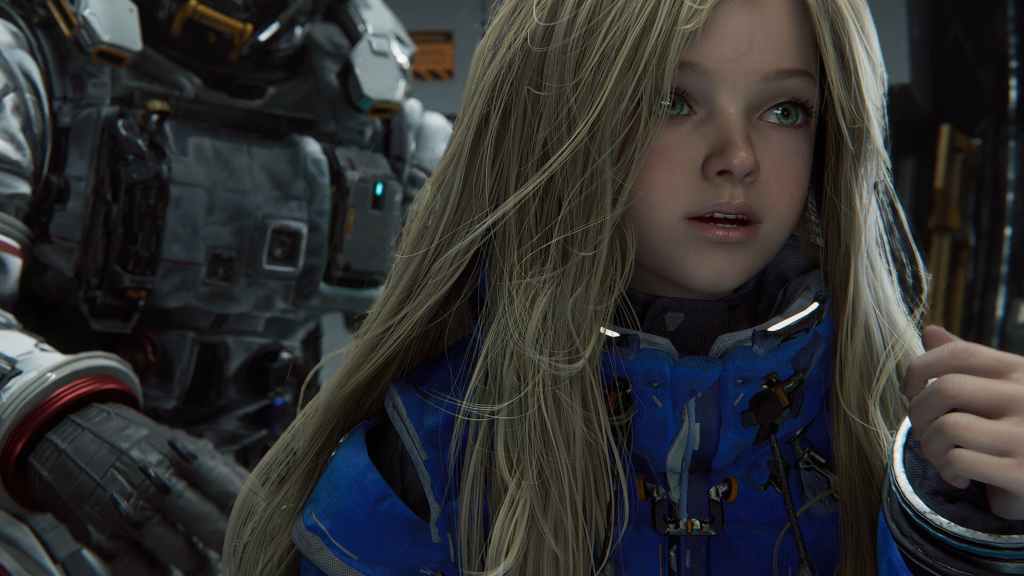
Many of the story elements of the third-person shooter Pragmata are still shrouded in mystery, but at its core, it revolves around Hugh protecting and guiding Diana through a hostile environment. While it is stiff at first, a natural bond forms between the two, one that will undoubtedly grow as the story progresses. It is not just about survival, but trust, responsibility, and connection. It isn’t just Hugh that will keep the pair alive, but Diana as well. I look forward to controlling both characters and seeing how their bond grows.

I always find myself more invested in games when I am responsible for someone else in the world, especially now that I am a father. It changes how I play. I move more carefully, I pay attention to my surroundings, and I feel the weight of every decision. That kind of engagement is hard to replicate with traditional gameplay systems. God of War’s reboot is where I truly felt this connection, and I’m sure it will hit me even harder in Pragmata’s more tense survival moments.
Beyond my own feelings, this dynamic also opens the door for emotional storytelling. As players spend more time with both characters, their relationship becomes the heart of the experience. It is a formula that has worked before, giving us some of the best games in the industry, and seeing it return in a new setting is exciting. And Capcom has brilliantly tied the game mechanics into the story as well, further reinforcing the importance of Hugh and Diana’s relationship.
This Style Once Defined Gaming Narratives
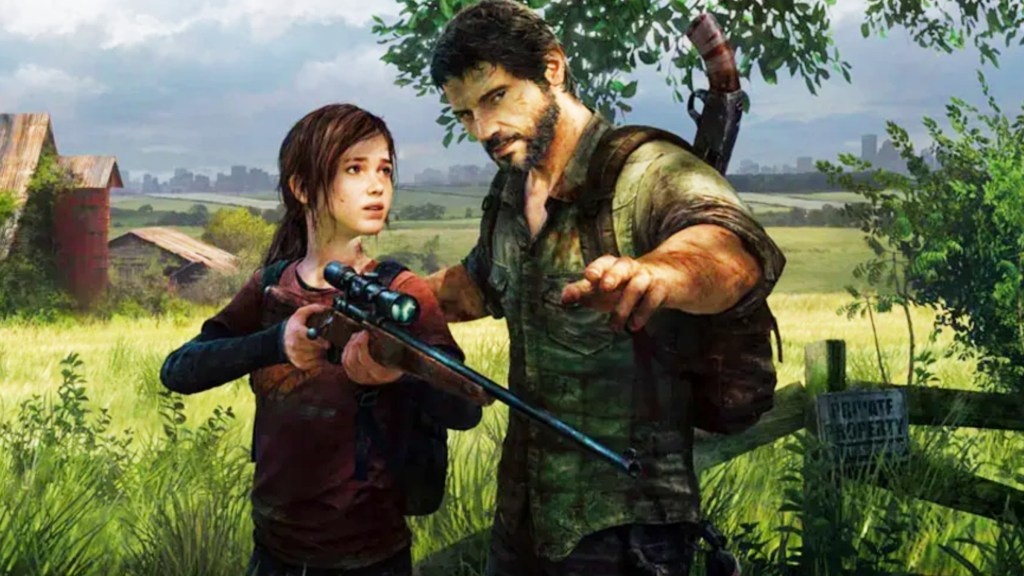
There was a time when this type of character-driven gameplay was everywhere. The Last of Us is the most famous to this day, and it set the standard with Joel and Ellie, delivering a story that balanced action with deeply personal moments. It showed how powerful games could be when they focused on relationships. Joel played the reluctant father figure, drawing players in. Naughty Dog also cleverly subverted expectations when Joel was injured, and players assumed the role of Ellie.
The next greatest example is one of redemption and forgiveness. The reboot of God of War showed Kratos becoming a father to Atreus. Throughout their journey, he worked through his personal struggles while trying to create a relationship with his son. The game’s narrative was equally about growth and Kratos’ development as it was about its combat. So much so that we may yet see Atreus in a solo game and see exactly how Kratos’ style of parenting affects him.
Then you have other games like The Walking Dead, which showed the beauty of Lee and Clementine’s relationship in a world that was ruined. It leaned heavily into the story and character moments that made its protagonists so memorable. Other games like A Plague Tale further showcased just how popular and powerful this dynamic became. Players weren’t just playing them for the gameplay, but to see how these relationships would evolve. That shift made those experiences stand out in a crowded industry.
Pragamata Could Bring Back One of Gaming’s Legacy Styles
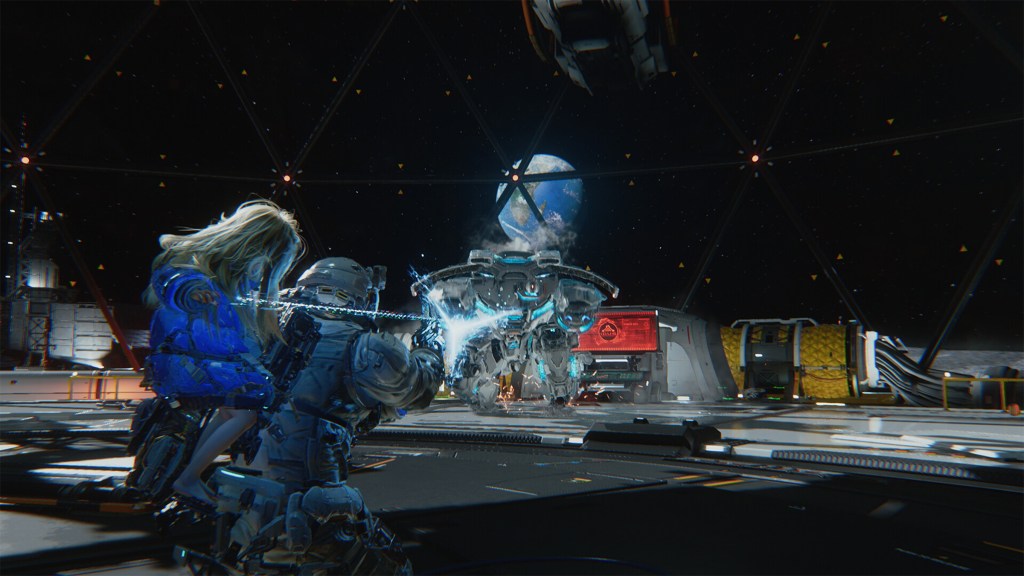
The reason this style works so well is that it is simple. It adds emotional weight to gameplay, causing players to care about another character. Every action feels important, even when the side character, such as Atreus, cannot truly die. It transforms standard mechanics into something more engaging and personal because you are constantly worried about and paying attention to a second character as you play.
Pragmata has the potential to bring that focus back into the spotlight. Capcom could easily have focused the story solely on Hugh, but by including Diana, it adds an emotional layer that resonates with players more deeply. I love games with such personal character dynamics, especially if they have to build that relationship throughout the game. But as excited as I am to experience this in Pragmata, I hope that it revives this type of game and brings it back into mainstream focus.
If Pragmata succeeds, it would show that this approach still works. We’ve already seen some of the greatest games in recent history successfully implement it, so there is no reason to think that it won’t work again. Bringing back this style of character-driven storytelling would be a welcome change from the live service games that seem to be taking over gaming. Pragmata has an opportunity to bring back a trend that brought out deep emotions in players, and could easily show why it deserves to return.
What do you think? Leave a comment below and join the conversation now in the ComicBook Forum!
More Gaming
-

Image Courtesy of AdHoc Studio -

Courtesy of IllFonic