It’s rare that a sequel can thoroughly reinvent its overall franchise — especially when it’s technically the thirteenth entry in the series. Debuting January 11, 2005, Resident Evil 4 was the first mainline entry in the series in years, with nine spin-offs filling the void and diluting the franchise in the eyes of many gamers. The result of a lenghty development cycle was a great reinvention of the original franchise, an action-heavy take on the horror series that had fun with the absurd elements without losing the scary nature at the heart of the franchise.
Videos by ComicBook.com
Resident Evil as a whole was different after the success of Resident Evil 4, leading to plenty of new approaches to the brand. More than that, though, the gameplay innovations influenced an entire generation of games, going on to be one of the most influential games of the 21st century. Over two decades since the game debuted, it’s worth looking back at just how much impact Resident Evil 4 had on the state of gaming.
Leon Kennedy Went From Drab To Amazing
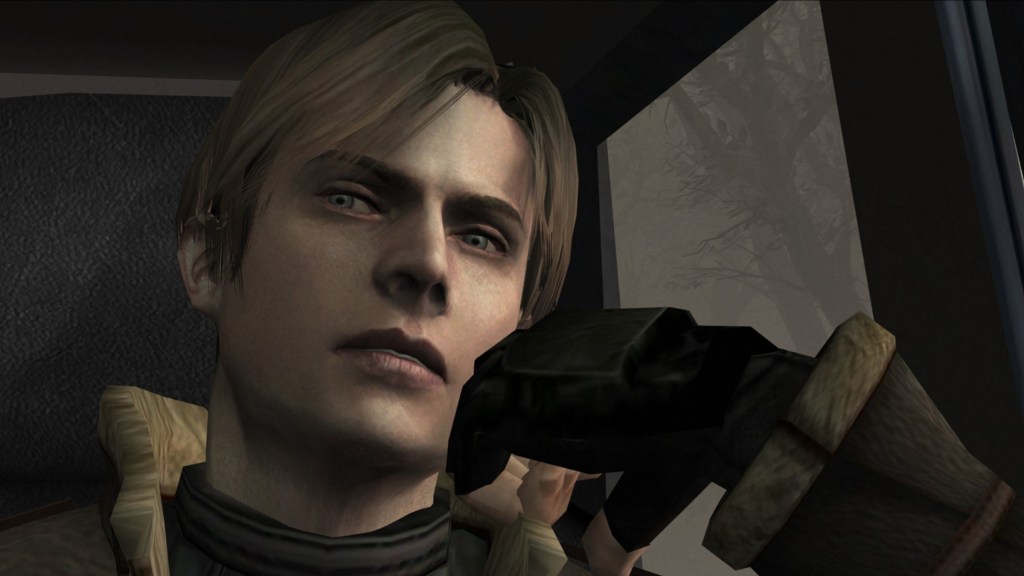
Introduced in Resident Evil 2, Leon Kennedy didn’t become his true self until Resident Evil 4 reinvented him. Leon is introduced as a rookie cop, meant to serve as an ideal audience surrogate alongside Claire Redfield as they contend with the machinations of the Umbrella Corporation. Leon worked as a fairly basic survival horror protagonist, albeit not one with the most depth. His everyman qualities made him appealing as a player avatar, but there wasn’t much to the character beyond that.
However, this was quickly reimagined in Resident Evil 4, which revealed that Leon had subsequently gotten a position as a secret agent. Developing a cool head and a deadpan bravado due to his experience with such dangerous situations, Leon went from a decent player avatar to a compelling character in his own right. Leon’s deadpan delivery and over-the-top skills were perfectly attuned to the tone of Resident Evil 4, which leaned heavily into the campy B-movie quality of the story. Leon has retained that personality ever since, and that tone has blended through into the rest of the franchise, with other characters following suit and gaining a bit more over-the-top action qualities to fit the escalating stakes and set pieces of the series.
How Resident Evil Changed After RE4
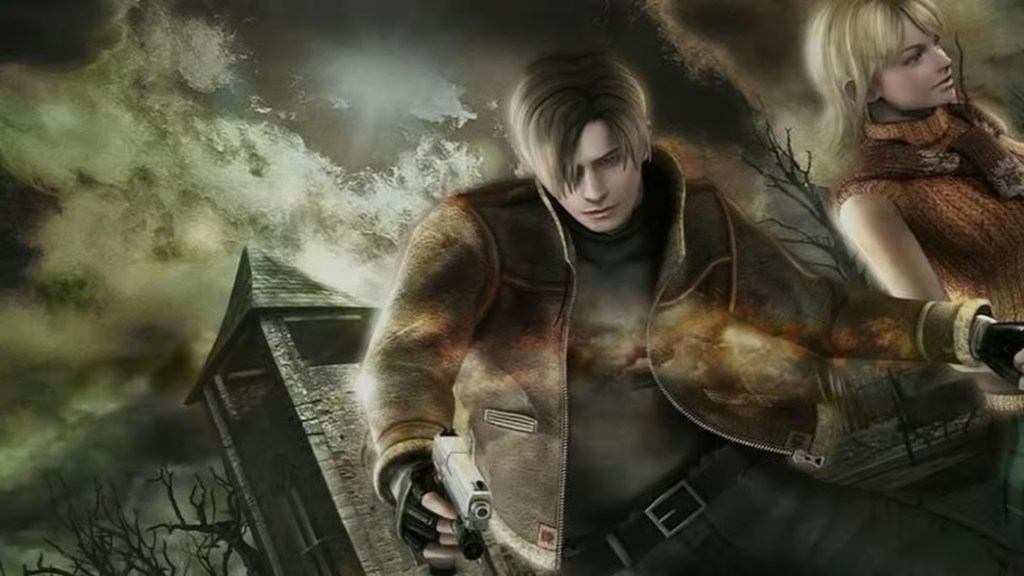
Before Resident Evil 4, the series had been in something of a rut. The franchise had blown up when it debuted on the PlayStation, and the first three entries in the series were veritable classics of their era. However, the effect was quickly diluted by a number of factors. Spin-offs like Resident Evil: Code Veronica, Resident Evil Gaiden, Resident Evil Outbreak, and Resident Evil Survivor all played with the formula to diminishing results while the mainline series took a break. The characters and gameplay began to feel repetitive, even when given a fresh coat of paint (like the 2002 remake of the original game) or a new focus (as in the shift to Rebecca Chambers and Billy Coen in Resident Evil 0). Resident Evil 4 took everything that had come before and evolved it in a new direction, with a slight tonal tweak into the ridiculous that helped breathe new life into the franchise.
After Resident Evil 4, the conspiracies became more absurd, the villains became more cartoonish, and the heroes became more bombastic. Chris Redfield wasn’t punching out boulders and leading secret organizations before Resident Evil 4, but the sequels’ shift in style was infectious and impacted the overall franchise. Even when the series went back to square one with the much scarier Resident Evil 7: Biohazard, the action elements and larger worldbuilding still left room for the over-the-top tone of Resident Evil 4‘s B-movie action vibes. It’s a direct ancestor to what came in Resident Evil 8, which was ultimately able to find the right balance between the terrifying imagery and the almost goofy tone of the action. It made the characters and story fun in a way they had not been previously. It’s a tonal blend still at play in the series, and none of that would have been possible without Leon Kennedy becoming a secret agent and trying to save the President’s daughter.
Video Games Were Different After RE4
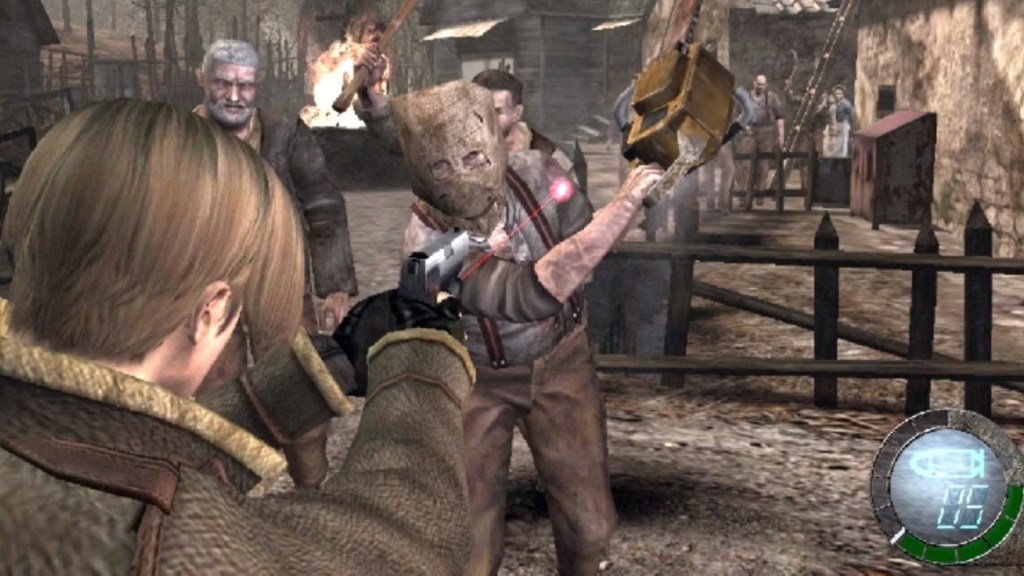
The success of Resident Evil 4 quickly shook the larger gaming industry, with the horror and action genres severely impacted on several levels. The game’s use of “precision aim” to raise the stakes and amplify the challenge for the player was duplicated in a number of franchises, impacting previously established franchises (like Fallout and Grand Theft Auto) and then-new franchises (like Mass Effect and The Last of Us) alike. Action games became increasingly tied to the hip in the third-person perspective, in turn influencing other increasingly influential game series like Assassin’s Creed and the Batman: Arkham trilogy.
The influence was even more apparent on the survival-horror genre, which looked to replicate Resident Evil 4‘s mix of sudden intensity and player-controlled action for its own experiences. Alan Wake, Alone in the Dark, BioShock, and even direct rivals like Silent Hill took inspiration from the way Resident Evil 4 reinvented the genre as a more action-driven experience. Even other games that had largely different gameplay mechanics (like the hack-and-slash brutality of God of War or the cover-heavy gunfights of Gears of War) took cues from how Leon’s adventure updated the gameplay. Resident Evil 4 is one of those rare games that didn’t just impact the history of a singular franchise but reshaped the active development and eventual legacy of the medium for broader audiences.
Most Viewed
-
Image Courtesy of Marvel Comics -

Image courtesy of San Diego Studios