The surprise hit Returnal was notorious for its difficulty, mainly due to the brutal nature of its bullet hell gameplay that was set to return in its spiritual successor title Saros. However, after Saros‘ release, players quickly discovered that the game had far more guardrails in place to prevent the experience from getting too difficult, with plenty of systems designed to support anyone struggling through various runs. Developer Housemarque has revealed why this has been the case, with the answer showing insight on Returnal‘s impact almost five years later.
Videos by ComicBook.com
An interview with Polygon gathered statements from creative director Gregory Louden at Housemarque, along with associate designer Matti Häkli. Among some of the things they said, Louden mentioned that Saros‘ difficulty came from developers’ desire to “allow players to confront challenge in their own way.” This game’s roguelike structure was made to be more friendly, especially in the longer term progress of runs to allow players to stay engaged for a longer period of time.
Saros Has A Far Lower Difficulty Compared To Returnal To Help Players Complete The Game
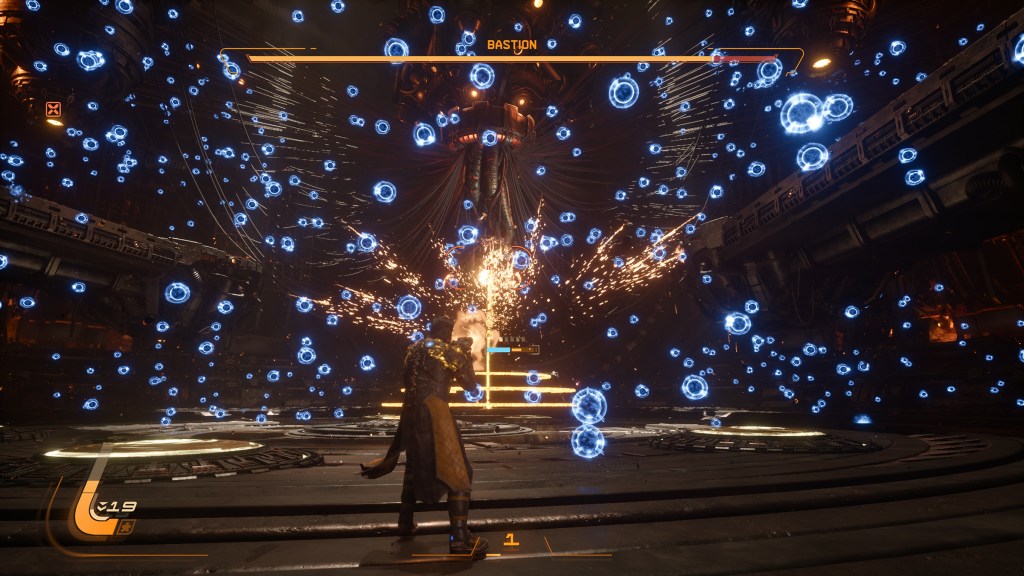
Based on further comments, players often commented that “I wanted to love Returnal, but I just couldn’t get forward,” referring to the early difficulty spikes in the game’s starting sections. More often than not, the beginning biomes of Returnal turned brutal, preventing many players from reaching the celebrated narrative beats, environments, and gameplay that existed late into the game. Based on Steam data, only 37.9% of players completed Returnal‘s first Act, while only 6.4% finished the third and final Act.
Despite the cult classic status of Returnal, Housemarque wanted “to enable more people to enjoy these games” when it came to Saros. As a result, difficulty was made to be more approachable, with players almost able to customize their experience through modifiers and other systems that allow you to build your own adventure based on your preferred pace. Longer tutorial sections and more instruction on gameplay mechanics have also helped lower the difficulty compared to Returnal, removing some roguelike features for something easier for new players to digest.

Big skill trees also gives players more power in Saros to gain unique gameplay buffs, granting skills that can make some runs a walk in the park. Thankfully, many of the modifiers and other systems are completely optional, meaning that anyone who preferred the challenge of Returnal could emulate it whenever they want. That being said, the core principles of Saros are still a major departure from what the first game established.
Returnal’s Low Finish Rates Inspired Saros To Make Its Gameplay Loop Appealing Faster
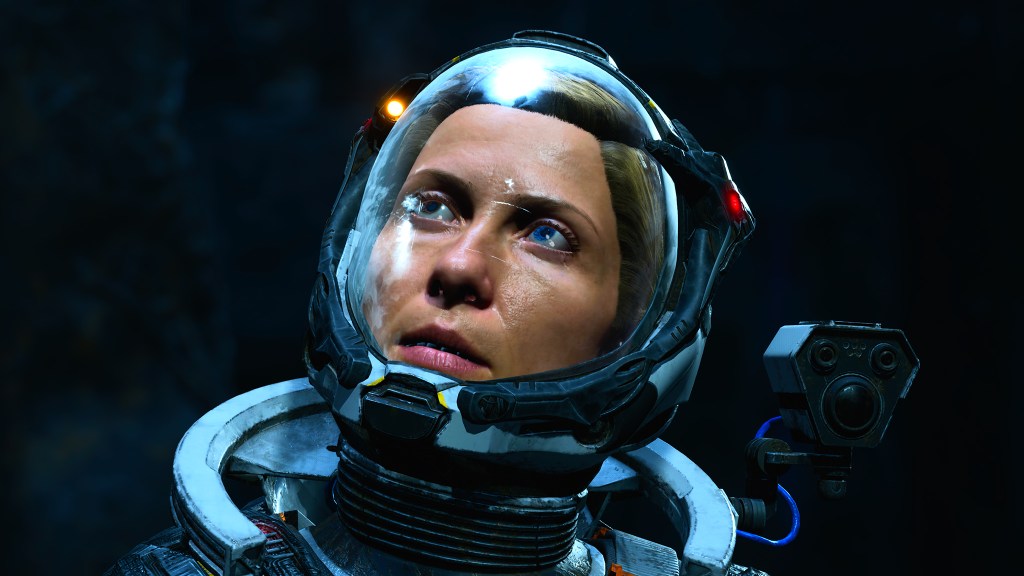
Unlike Returnal, Saros launches players into a variety of new features fast, allowing the initial difficulty to become an afterthought. Returnal‘s steady and steep climbs into overwhelming obstacles caused many to quit before they could achieve “flow states” in their runs, with the frustration of losing all progress on a sudden loss also likely leading to discouragement. Part of how Saros addresses this is by allowing you to load into the most recent biome you reached when you die, making your efforts less punishing on failure.
Although this does remove one of the best roguelike concepts of recent titles, it is easier to understand when you realize how much bigger Saros biomes are compared to Returnal‘s. The average biome in Saros takes far longer to move through, so there are still consequences to dying in one region, as you’ll still have to discover many parts of it again. Players even have the option of going back to the very first biome if they die, so the hand holding of Saros is more for allowing players to continue forward without having to commit to a grind.
Players Might Be Divided On How Saros’ Systems Don’t Provide As Much Of A Challenge
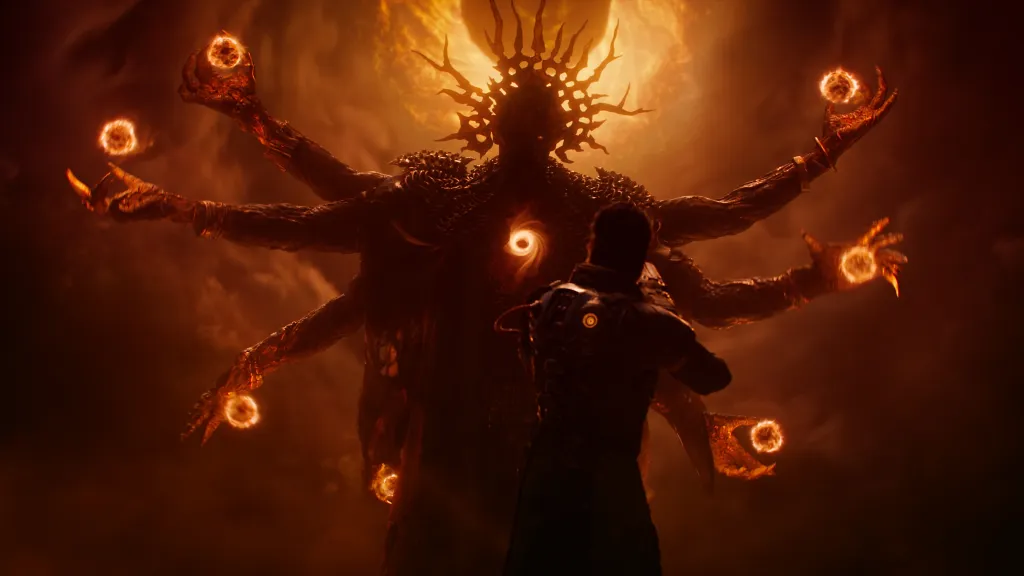
Most of the changes to Saros‘ difficulty were integrated to help a larger audience experience the game, intended to help it grow out of Returnal‘s niche. However, many players are divided on these changes, with many purists for Returnal‘s systems not being satisfied with the base mechanics in Saros almost always encouraging the easier way out. The huge skill tree, the abundant amount of upgrades at Saros‘ hub area, and the Carcosan Modifiers are all encouraged, making it harder not to make the game at least a little easier for yourself.
While each system is designed to give players more confidence to move forward in Saros, it does seem a bit too beginner friendly at times. The modifiers and adjustments can almost negate the challenge that comes from a roguelike, creating a linear experience rather than the original gameplay loop that players fell in love with when Returnal came out. On the other hand, the accessibility of Saros might prevent it from becoming a game that falls off the radar of players everywhere through brutal difficulty.
Hopefully, this risk of player division in Housemarque’s latest title helps them garner a larger audience, and one that is more willing to try the studio’s other projects, including Returnal. As the difficulty reduction assists players in completing Saros, perhaps more fans will appreciate something harder, either by going back to the praised precursor, or by starting a playthrough where they deliberately make their next journey tougher.
What do you think about Saros‘ difficulty compared to Returnal‘s? Leave a comment below or join the conversation in the ComicBook Forum!
More Gaming
-

Image courtesy of Moon Studios GmbH