As one of the biggest names in modern gaming, Sony’s moves tend to be illuminating about the larger state of the medium. When they make a major shift in policy or planning, it often stems from other larger developments in the industry. A few years ago, that included a whole-hearted switch to the live service model. While single-player Sony games like Astro Bot won plenty of acclaim, the company’s shift to live service “forever games” during this period saw them double down on the concept in 2022.
Videos by ComicBook.com
In 2026, that bet looks increasingly like a bad call. With many of Sony’s first-party live service games crumbling under the weight of expectation or the scorn of gamers, the company has severely scaled back those plans. The impact is still being felt, though, with numerous developers frustrated, long-time executives gone, and even hits like Marathon having trouble reaching their intended heights. Four years after Sony made a big push for live service, that move looks increasingly shortsighted.
Sony’s Ambitious Plans For Live Service Haven’t Gone Great
Live service used to be an extremely promising business model for publishers, with companies like Sony working to replicate the massive success of titles like Fortnite. However, reporting over the last few years suggested that it wasn’t a popular decision within Sony itself. Numerous developers were frustrated by the development, leading to major fixtures from the studio leaving the company. Efforts to turn out several live service games at once went into overdrive after Sony acquired Bungie in 2022, with the publisher announcing it wanted a dozen live service games up and running by the end of 2025.
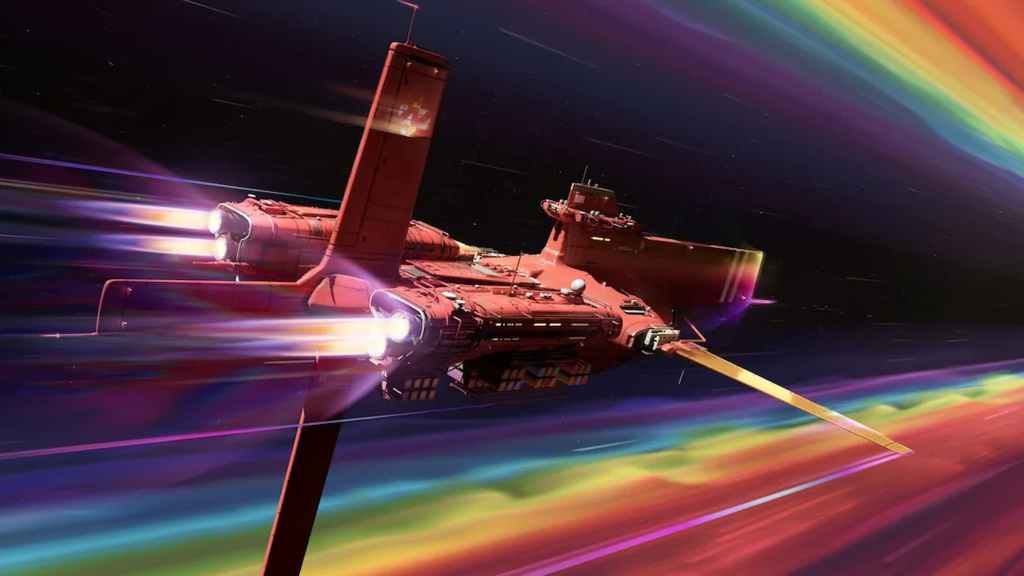
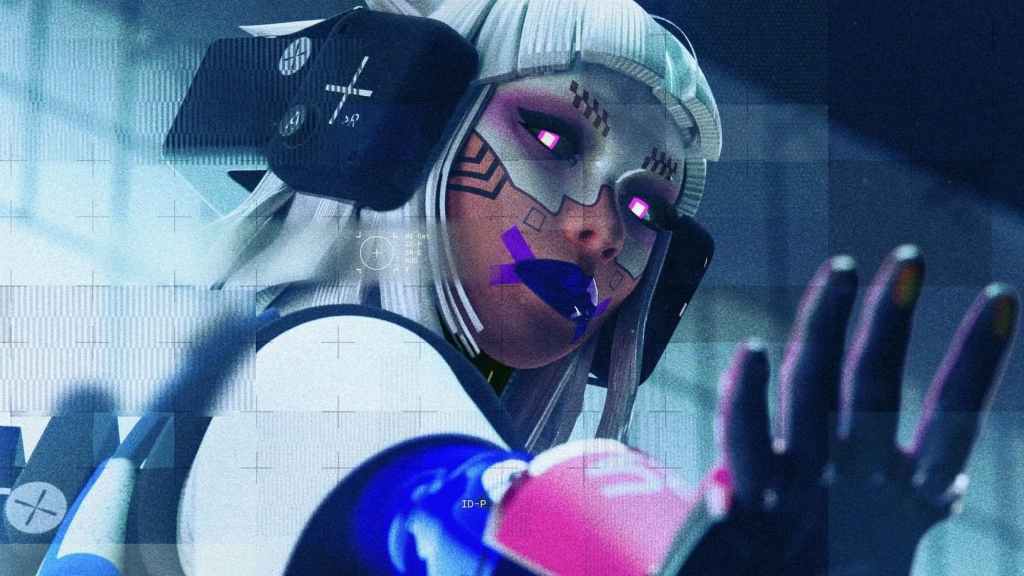
However, just a year later, those plans had been cut in half, with seven titles being cancelled (including The Last of Us Online, which was shut down even as it was approaching the finish line). Others, like Concord, did complete development but flopped upon release, with the game quickly becoming a high-profile miss from the publisher that was shut down after just two weeks due to poor sales and lack of player engagement. While Sony has found some success in the live service space thanks to Helldivers II and, more recently, Marathon, the initiative has struggled to reach the heights that the company had in mind.
Even Marathon is having trouble delivering the results Sony was hoping for — while it is a success, the game isn’t the breakout smash that Bungie was relying on. This speaks to a major struggle in the industry as a whole, where mainstream game development has become so expensive that anything short of a mammoth hit can be considered a failure. While Sony’s earnings report in May will likely paint a rosy picture for the company, the struggles to get another live service hit off the ground may prove to be a very difficult loss to brush away.
Live Service Was Never Going To Be The Future
This isn’t just a problem for Sony, either. Live service games as a whole have been struggling, with new releases like Highguard crumbling upon release and even old standbys like Fortnite struggling to maintain a healthy player base. The style of game is even facing legal challenges overseas, with French courts weighing the possibility of forcing publishers to either keep “forever” games online for players or to offer refunds in case of a live service game shutting down. However, Sony’s investment in the gameplay style has proven to be a real albatross for the company, as it coincided with the departure of several higher-up figures at the company. Overcommitting to over a dozen live service games even before their first one had really succeeded left Sony-affiliated developers in a bind. It’s a tricky format that needs a player base to succeed and thrive, and it’s easy for those games to collapse under the weight of their own expectations.
Plenty of terrific and talented artists spent untold hours and massive amounts of money to produce games that, because of the shift in trends away from live service, will never see the light of day. It’s a real stumble for Sony, a blemish on an otherwise impressive 2025 for the company that seemingly cemented the PS5 as the de facto victor of the most recent generation of gaming consoles. It seems like Sony has at least been responding to this development. The company has gone through much more rigorous testing and planning for its remaining live service games, while also leaning more heavily into single-player experiences.
The massive success of single-player experiences like Resident Evil Requiem, Pragmata, and Clair Obscura: Expedition 33 all suggest that Sony can reassert their place as the hub for the best home console experience — especially as exclusives like Marvel’s Wolverine and anticipated blockbusters like Grand Theft Auto VI reaffirm the place of solo adventures in modern gaming. Live service isn’t necessarily going anywhere, with perpetually evolving games like Fortnite, Minecraft, and Roblox still selling well across platforms. However, Sony is right to take a step back from that approach.