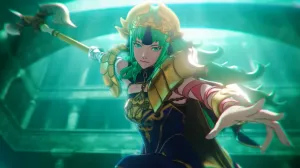
There are few genres that have become as difficult to break into as the monster hunting RPG. Building a game around massive boss encounters, cooperative multiplayer, and long-term progression takes years of refinement, and even then success is far from guaranteed. Today, one series towers above every competitor, but there was a time when publishers believed they could carve out a place beside it. Looking back, one forgotten experiment deserved far more patience than it received. Instead of building on a solid foundation, its publisher walked away before it had the chance to evolve.
Videos by ComicBook.com
That game was Lord of Arcana, Square Enix’s ambitious attempt to challenge Monster Hunter on the PSP. Released in 2010 in Japan and 2011 in North America and Europe, it borrowed the familiar formula of accepting quests, hunting giant monsters, collecting materials, and crafting stronger equipment while layering in ideas inspired by Final Fantasy. Although reception landed in the middle of the road and the game achieved only modest success, Square Enix quickly moved on. Looking at today’s RPG landscape, it feels like the company abandoned a franchise that could have grown into something far stronger with another chance.
Lord of Arcana Had the Right Foundation To Match Monster Hunter
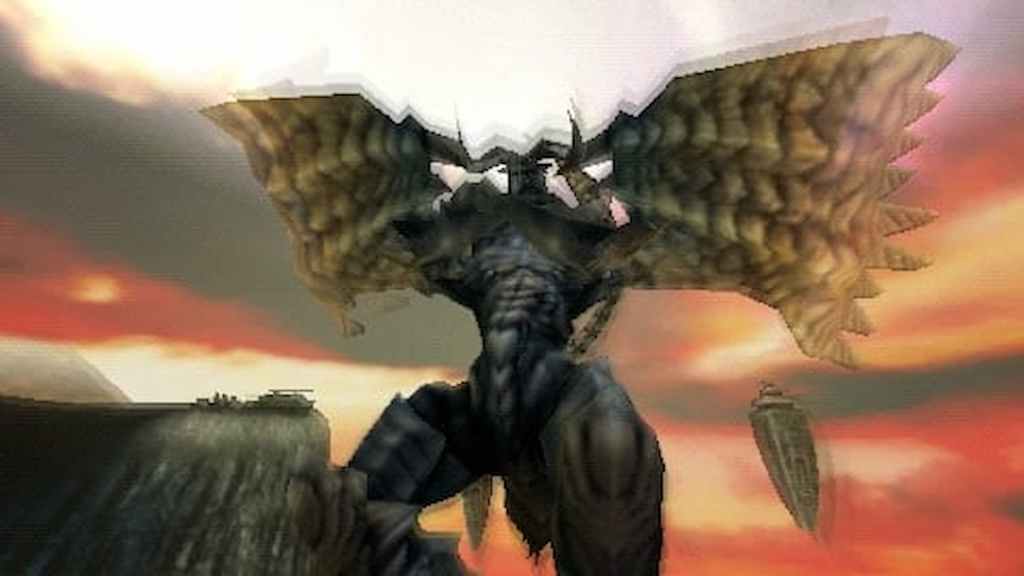
When Lord of Arcana launched on PSP, comparisons to Monster Hunter were unavoidable. Players accepted quests from a central hub, ventured into arenas to battle towering enemies, gathered materials, and forged increasingly powerful weapons and armor. That loop had already become one of gaming’s most addictive formulas, and Square Enix wisely embraced it instead of trying to reinvent the genre.
The game also carried a distinct Square Enix identity. Its darker fantasy setting, oversized bosses, elaborate weapon designs, and magical abilities gave it a different flavor from Capcom’s series. Elements inspired by Final Fantasy, including crystals and familiar visual motifs, helped separate it from its biggest competitor even if the overall structure remained familiar.
I remember trying Lord of Arcana because I was already spending countless hours hunting monsters with friends on PSP. It never replaced Monster Hunter, but it also never felt like a cheap imitation. There were flashes of something unique beneath the rough edges. At the time, I assumed Square Enix would build on that foundation with a larger sequel. Instead, the series simply faded away.
Monster Hunter Never Stopped Improving
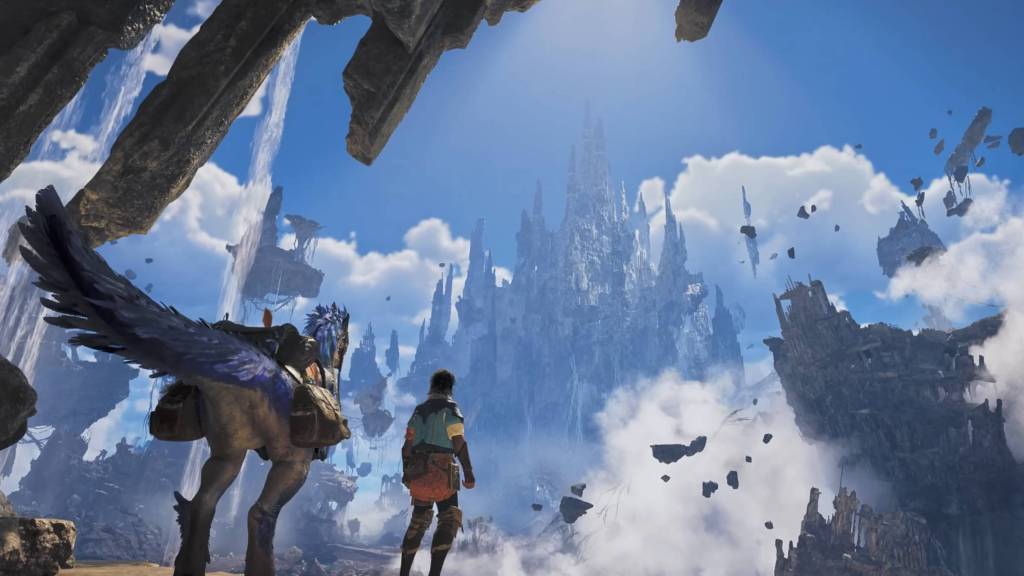
The biggest difference between Monster Hunter and Lord of Arcana was not the quality of their first entries. It was what happened afterward. Capcom spent years refining its formula across multiple releases, introducing better movement, more satisfying combat, expanded multiplayer features, and increasingly memorable monsters. Each new game learned from the last and improved.
That steady improvement transformed Monster Hunter into one of gaming’s biggest franchises. Monster Hunter: World introduced millions of new players to the series, while Monster Hunter Rise continued that momentum. Today, the franchise enjoys worldwide popularity that few publishers could have predicted during the PSP era.
Even recent challengers have struggled to gain lasting traction. Koei Tecmo and Electronic Arts released Wild Hearts with fresh traversal mechanics and creative monster designs, earning praise from many players. Yet despite its strengths, it still failed to loosen Monster Hunter’s grip on the genre. That shows just how difficult it has become to compete against Capcom’s decades of experience.
Square Enix Could Revive It Today
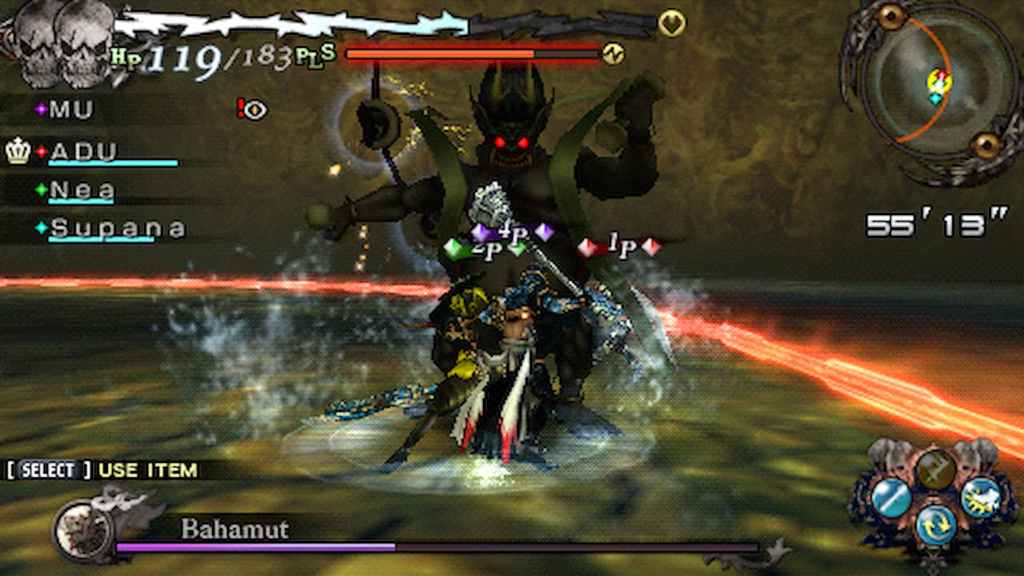
The irony is that today’s gaming audience may be more receptive to a new Lord of Arcana than players were fifteen years ago. Cooperative action RPGs remain incredibly popular, and advances in hardware would allow Square Enix to realize ideas that were difficult to achieve on the PSP. Larger environments, seamless online play, and more dynamic monster encounters could completely transform the experience.
Square Enix also has access to far more technology than it did during the original release. Modern action combat, detailed creature animation, and high production values could help distinguish Lord of Arcana from its original version while preserving the hunting loop that made the concept appealing. A remaster could even gauge interest before committing to a full sequel.
Not every forgotten franchise deserves another chance, but Lord of Arcana feels like one that simply arrived before it had time to mature. Capcom proved that consistent support can turn a promising hunting game into an industry giant. Square Enix gave up after only one attempt, leaving behind an RPG that still had room to grow. In today’s market, where players continue searching for fresh cooperative adventures, reviving this forgotten PSP series could finally give Square Enix the rival to Monster Hunter it once hoped to build.
More Gaming
-
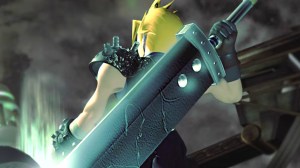
Courtesy of Square Enix -
Image courtesy of PocketPair