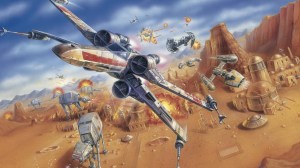
The GameCube might not have been able to fully escape the shadow of rival consoles like the PlayStation 2, but Nintendo’s turn-of-the-century console was still a great breeding ground for some of the publisher’s best franchises. Super Mario Bros., The Legend of Zelda, and Metroid brought new dimensions to their classic franchises, while fresh blood like Animal Crossing and Pikmin added some much-needed fresh blood to the Nintendo library. Even then-obscure franchises like Fire Emblem got a chance to shine on the console.
Videos by ComicBook.com
Another franchise that Nintendo gave a real chance to during this era was Star Fox. There were two entries in the series on the GameCube, with the second one — Star Fox: Assault — serving as a massive expansion of the core gameplay from the earlier games. Despite these ambitions, the middling reception to the game put a halt to the series’ presence on Nintendo consoles for over a decade. Over twenty years later, Star Fox: Assault remains one of the more exciting additions to the series, and it deserves a better status in the history of Nintendo games.
Star Fox: Assault Was An Attempt To Expand On The Nintendo Classic
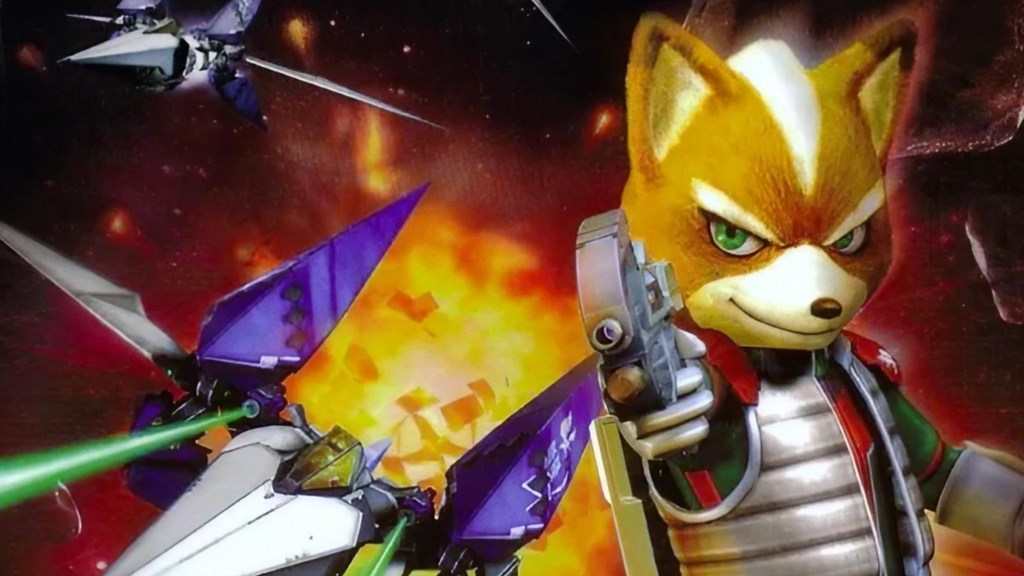
Landing in North America on February 15, 2005, Star Fox: Assault was an ambitious entry in the Nintendo franchise that couldn’t quite meet its lofty goals — but still deserves more love than it got at the time of release. Despite having strong showings on the Super Nintendo and Nintendo 64 — and earning crossover fans thanks to Fox’s prominence in the Super Smash Bros. series — the Star Fox franchise took an unexpected turn with Star Fox Adventures, which shifted the gameplay from an airborne rail-shooter to a more traditional fantasy adventure game. Star Fox: Assault was intended to be a return to form for the series, with series creator Takaya Imamura challenged by Shigeru Miyamoto to develop a “cooler and slicker” title than anything that had come before.
The development team initially focused on the multiplayer mode, but the early trailers were poorly received due to their lack of a clear single-player campaign. The single-player mode became a prime focus for the team over the multiplayer mode, leading them to craft a more epic story focusing on the Star Fox team doing their best to combat the encroaching threat of the Aparoids, an invasive insectoid species of robots spreading across the galaxy. The unique quality of the game compared to previous iterations was the differing approaches to combat, whether that be in the cockpit of an Arwing, behind the wheel of a Landmaster, or on foot. While the epic tone and tight vehicle combat were commended by critics at the time of release, the sloppy control of the on-foot missions and ultimately lackluster multiplayer were not. While the game had solid sales, Star Fox: Assault (alongside the more strategic-focused Star Fox Command for the Nintendo DS released the following year) became the last original entry in the series for a decade before Star Fox Zero hit the Wii U in 2016.
Star Fox: Assault Was A Big Swing From A Series That Needs More Love
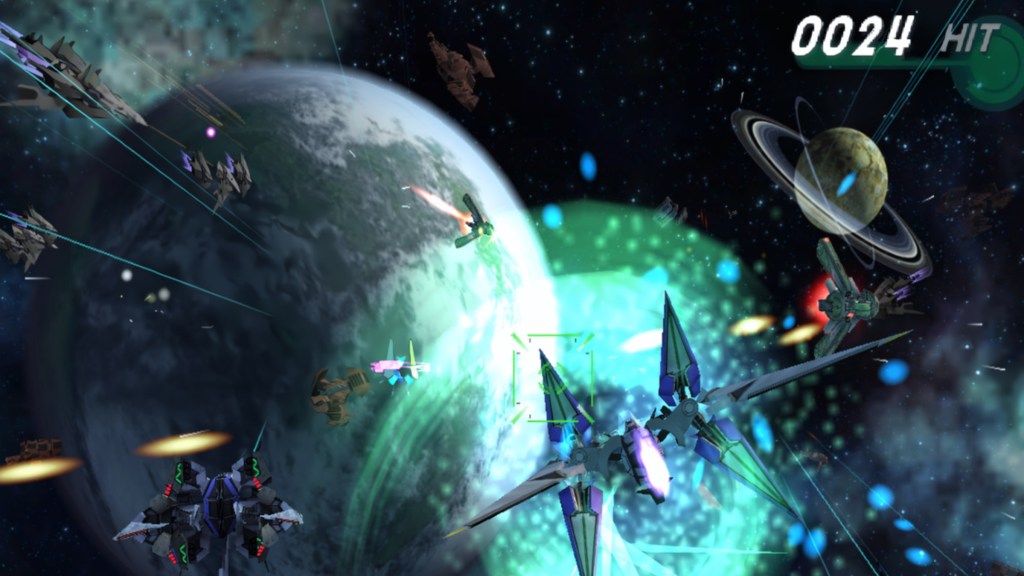
Star Fox is one of the marquee Nintendo franchises of a certain era, with the SNES and N64 games helping make the series into a breakout hit for the publisher. However, that love didn’t extend as much to this franchise’s GameCube entries. Assault in particular deserved more love, especially for its willingness to expand the scope of the massive aerial battles that had already defined the series. Adding new depth to the conflict by forcing players to adapt to different forms of combat was a great idea, and the ability to hop between aerial approaches and grounded assaults made for a compelling gameplay loop that reduced any sense of repetition across missions. While the on-foot sections did suffer from weak controls, they also introduced a sense of natural panic and dread in the player as they found themselves fleeing from enemies that suddenly dwarf them in size.
Coupled with a story that was willing to move past series mainstay villain Andross, there was a lot to love about Star Fox: Assault. Despite this, the game is rarely held up alongside the other marquee Nintendo franchises that got big releases on the console. While Super Mario Sunshine, The Legend of Zelda: The Wind Waker, and Metroid Prime are often held up as some of the highlights of their franchises, Star Fox: Assault got a much more mixed reception from critics and fans alike. While it had some shaggy elements and could have benefited from a longer single-player campaign, the way the game drove the overarching narrative forward while introducing some light horror elements through the Aparoids assimilation of established characters was an exciting development that heightened the stakes.
It would take a decade before the series would release another wholly original console title, and that one took a step back to the earlier days of the series to diminishing results. Sequels should have leaned into the increasing scope and gameplay variety that come with different vehicles, fully cementing the series as Nintendo’s answer to franchises like Star Wars or Battlestar Galactica. Instead, Star Fox: Assault became a minor chapter in the overarching franchise that couldn’t turn around the fortunes of the series. Star Fox: Assault deserved more love from Nintendo and it remains an interesting chapter in one of Nintendo’s most criminally underrated franchises.
Most Viewed
-

Sony Pictures -
Image Courtesy of Marvel Comics -

Image courtesy of The Pokemon Company -

Image Courtesy of HIDIVE -

Image Courtesy of Netflix -

Image Courtesy of Marvel Studios