Princess Peach has been a fixture in the world of gaming for decades, but she’s rarely gotten to take the spotlight herself. Instead, she usually stands out as the definitive version of a gaming damsel in distress, kidnapped by the villain and requiring the hero’s assistance to rescue her. In her time in the Nintendo franchise, Peach has only ever headlined three games — including one that wasn’t even technically released on a console.
Videos by ComicBook.com
Peach’s first true starring role in a full adventure came twenty years ago today, on February 27, 2006. That’s when Super Princess Peach flipped the typical format of a Mario adventure and sent Peach on a mission to save the Mario Bros. from the clutches of Bowser. While the game had its flaws, there’s a lot to love about the game, especially in retrospect — making it all the more frustrating that she hasn’t gotten more time in the spotlight.
How Princess Peach Went From Hostage To Hero
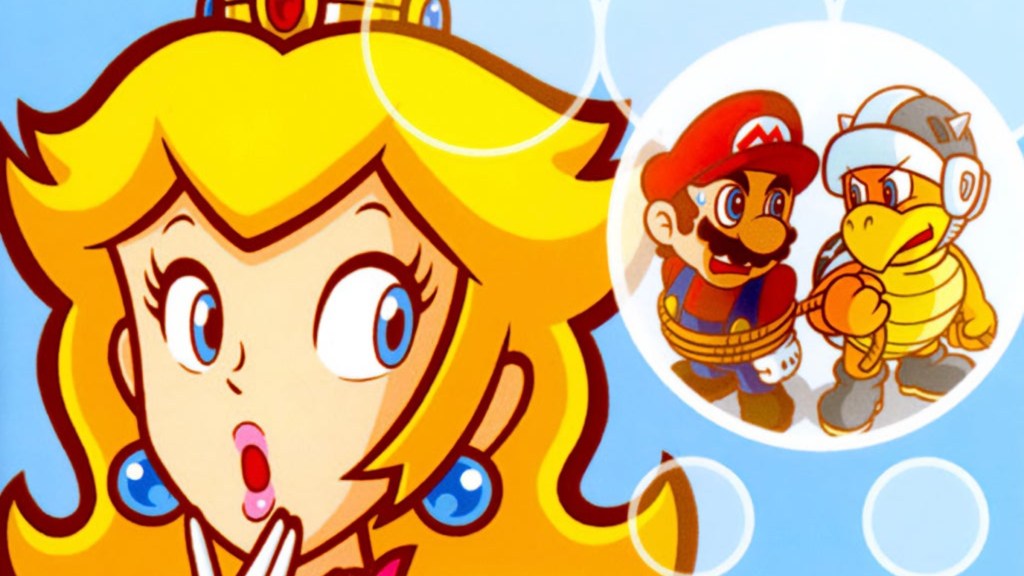
While Princess Peach had been playable since the days of Super Mario Bros. 2 and has been a fixture in spin-off titles like Mario Kart, Peach has typically been relegated to the sidelines in Super Mario Bros. games — but Super Princess Peach for the Nintendo DS purposefully flipped the script by focusing on the titular Princess as the hero of the story. The game follows Peach as she visits the mysterious Vibe Island in an effort to rescue Mario, Luigi, and the Toads after they are captured by Bowser’s forces. The game largely plays like a traditional Nintendo side-scrolling platformer, with players taking Peach through a colorful environment.
By defeating enemies with her talking parasol named Perry, Peach is able to utilize the magical abilities that she discovers while on the island. While the decision to match her powers to certain emotions carries some unfortunate implications about women, it does lend the game a unique gameplay hook that makes it feel genuinely unique from the standard Mario Bros. adventure. Those implications and the low difficulty for the game were common complaints by critics, who nevertheless were largely charmed by the title. Super Princess Peach has a respectable 75/100 on Metacritic, with even the harsher reviews still appreciating the charming elements of the game design. Especially in retrospect, though, Super Princess Peach feels like a worthwhile experiment into what Peach’s role in the franchise could be and how she could take the reins from the franchise’s typical hero.
Princess Peach Deserves To Be The Hero More Often
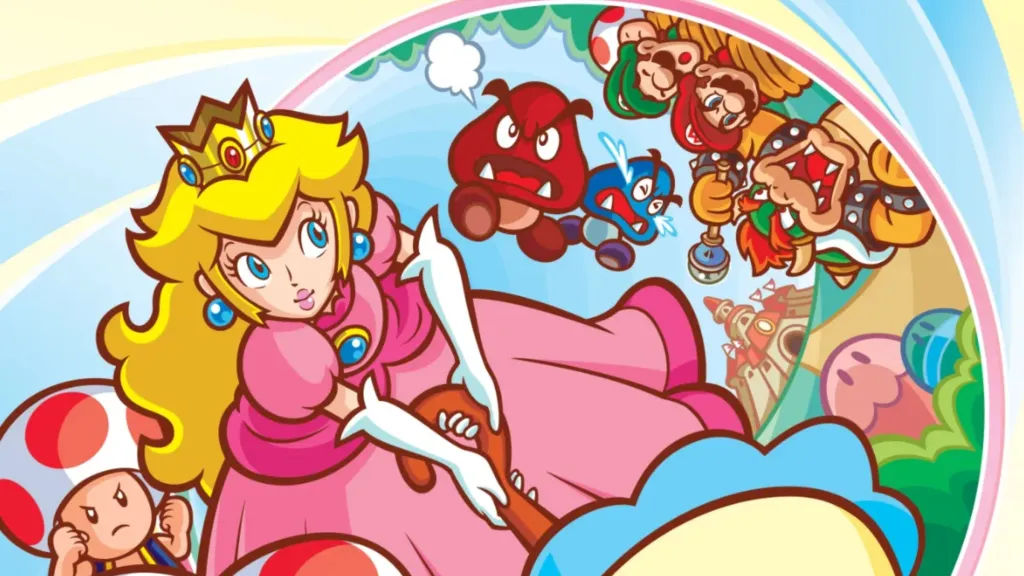
One of the most iconic female characters in the Nintendo library — and by extension, the broader gaming community — Princess Peach has often been defined by her typical status as Bowser’s kidnapping victim. This propels Mario into action for many of his games, with that motivation extending from the earliest games in the franchise to more recent mainline entries on the Switch like Super Mario Odyssey. Despite this, Peach has gradually gotten a greater sense of personality and character thanks to her place among the fighting roster of Super Smash Bros. or multiplayer experiences like Mario Party. It’s rare, though, that Peach actually gets to take center stage and drive the action of a game. Super Princess Peach was a good showcase for why Nintendo could do more with the character. It’s a major subversion of the typical Mario archetype, which is precisely why it’s so exciting. It’s a chance to see the franchise experiment with gameplay and visual style, adding other layers to the experience. It gets to lean into the unexpected comedy of seeing the typical heroes relegated to background roles, while Peach and the typically peaceful Toads take a more important role in the narrative.
While the game was still gendered in some ways that were unbecoming of the company’s decision to put Peach in a lead role, there’s also a genuine attempt to give the character more unique qualities to help her stand out from Mario’s standard gameplay and mechanics. Super Princess Peach deserves credit for trying something new with the formula and making Peach her own hero. Despite being among the top 50-selling games for the handheld console, Super Princess Peach never got a direct sequel. Instead, it would take nearly two decades for Peach to take a lead role in a game again in the form of Princess Peach: Showtime! for the Nintendo Switch. It’s a shame, because both games — while suffering from oversimplified gameplay — make a good case for Peach as the playable hero of her own adventure. It’s something other media have recognized as well, with The Super Mario Bros. Movie making Luigi the kidnapping victim this time around, while Peach gets to be a proactive figure within the narrative. Hopefully, it won’t take another twenty years for Peach to get another starring role, and next time they can take what worked about her previous games and use it to make something genuinely unique.
More Gaming
-

Courtesy of CD Projekt Red -
Image Courtesy of 2K/Sony Interactive Entertainment