There was a time when big games felt exciting and really unpredictable. The industry of the early 2000s was a wild west, and pretty little formulas were not really a focal point due to the constant, rapid shifts in technology at the time. You never quite knew what strange mechanic or oddity genre twist might show up next. Now, most major releases feel like products built from a spreadsheet. Familiar systems. Familiar structures. Familiar marketing beats. The sense of discovery that once defined the creativity in gaming has slowly been replaced by beep-boop, carefully calculated and masterfully created repetition.
Videos by ComicBook.com
Thus, we are in the era of “safe” game development; it’s a boring, obtuse flavor, killing innovation with the subtlety of a car horn. Studios are terrified of failure, while publishers are obsessed with quarterly returns, unaware of the obvious-to-the-rest-of-us catch-22. Leadership teams would rather chase proven trends than risk something new. The result is an industry that keeps getting bigger financially while feeling smaller creatively. Everyone knows it. Everyone feels it. And yet the people in charge keep steering straight into the same humdrum cycle.
Why Studios Can’t Afford to Take Risks
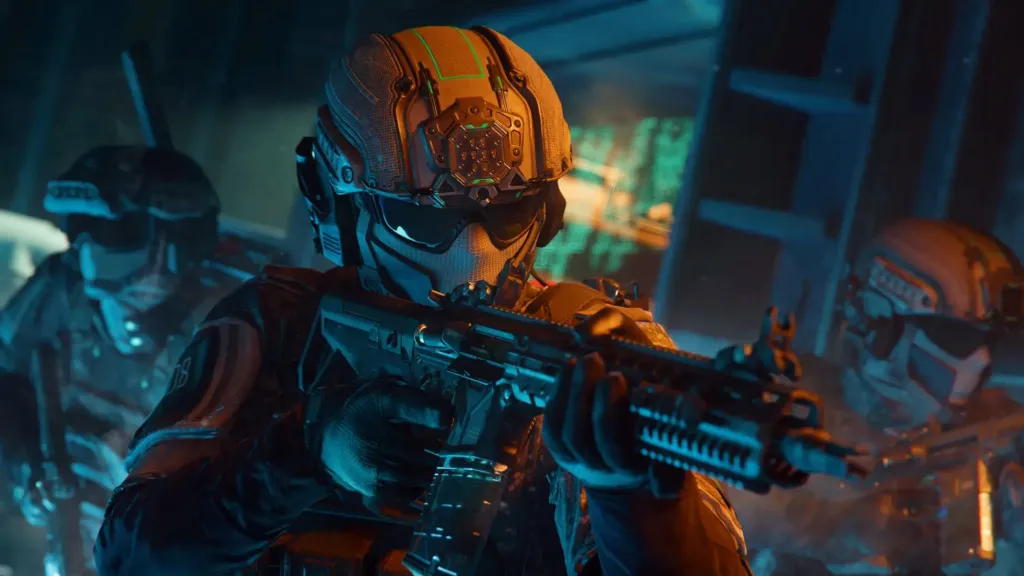
Being honest for a moment, on paper, the fear makes sense. Modern AAA development costs are massive. Budgets climb into the hundreds of millions, with marketing doubling that pressure. One underperforming launch can lead to layoffs across entire departments. When the stakes are that high, experimentation feels completely reckless, which is where that understanding comes from.
So leadership falls back on what worked before. Sequels get safer. Open worlds get bigger but not deeper for advertisement purposes (big = better in this market apparently). Live service mechanics get stapled onto everything because someone else made it profitable once, but the “how” it was profitable seems to be ignored most of the time, considering most live services don’t perform well.

Ironically, here is the uncomfortable truth: safety has become its own risk. When every studio chases the same formulas or attempts to copy the success of others, the market floods with games that blur together. The battle passes look identical. The crafting systems feel copied and pasted. The narratives are polished but hollow. Players are not stupid. They can tell when something exists because it is creatively inspired, versus when it exists because it tested well in a focus group. It’s often incredibly obvious.
From a distance, executives might see stable projections and reliable returns. From the player’s side, it feels like stagnation. I cannot count how many times I have booted up a new release and felt like I was playing a slightly modified version of something from five years ago. The industry keeps asking why engagement drops or why certain launches underperform, but the answer is staring back at them. You cannot keep selling the same experience and expect excitement to magically regenerate itself. Make your own project, with blood, sweat, and tears, and it will shine through if your project is actually strong.
The Long-Term Cost of Playing It Safe

The real long-lasting damage of safe development does not show up immediately. It builds slowly, with effects that eventually infect the mentality of the whole studio. When forced to replicate the same thing constantly, innovation dries up. Creative talent burns out. Designers who entered the industry to build something bold end up maintaining formulas that were approved by committee. Over time, the most ambitious voices either leave or get filtered out by layers of approval. That is not how groundbreaking games are made.
There is also a trust problem forming. Players are growing more skeptical of hype cycles and safer marketing promises. When a new title gets announced, the first reaction is often suspicion rather than excitement. Will it be another live service pivot? Another safe sequel that smooths out anything sharp or strange? That cynicism did not appear out of nowhere. It was earned. And once players lose that sense of wonder, it is incredibly hard to win back.
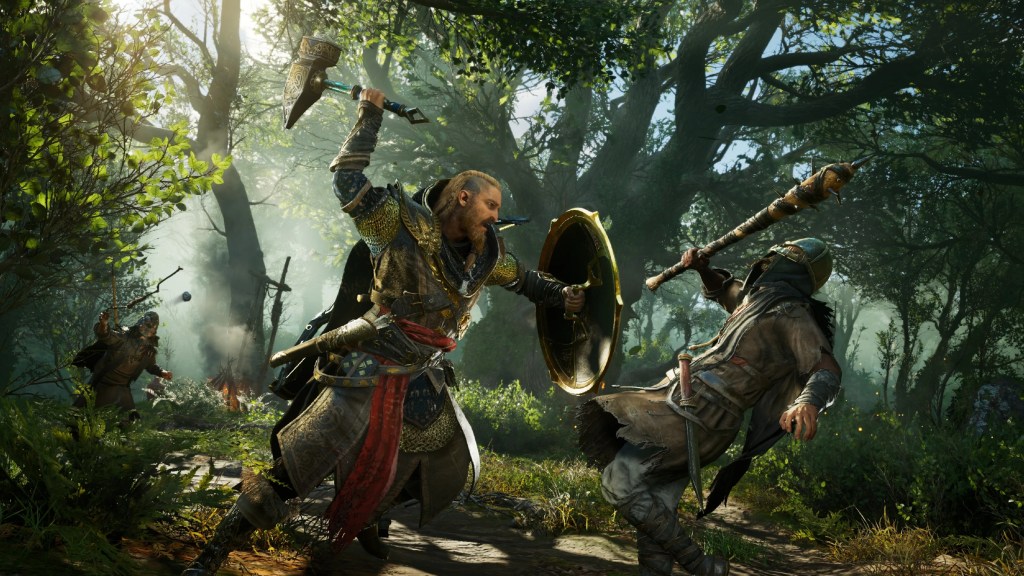
None of this means studios should throw money at reckless ideas without planning. Risk does not have to mean chaos. It means leadership that understands long-term brand value is built on creativity, not just consistency. It means allowing teams to experiment without fearing that one unconventional choice will cost them their jobs. It means remembering that the games people still talk about decades later were rarely the safest ones in the room.
The frustrating part about all of this is that the talent absolutely exists, and not all publishers are at fault. Developers are not the problem. The passion is still there. The ideas are still there. But when so many are not interested in keeping the creative juices flowing, the impression is what is stated. What is missing is the willingness from those in charge to back something that might fail publicly in exchange for the chance to succeed creatively. Right now, the industry feels like it would rather slowly fade into predictability than risk being different.
What do you think? Leave a comment below and join the conversation now in the ComicBook Forum!
Most Viewed
-

Courtesy of Crunchyroll -

Images Courtesy of DC Comics