The direct movie tie-in game is something of a relic from previous generations of gaming. In older eras, there would often be ports, adaptations, or tie-ins in gaming that hoped to capitalize on popular new movies or TV shows. Sometimes, these tie-ins would be great. Others, not so much. It’s been 17 years since one of the most infamous examples of the latter, which serves as a good reminder of why this practice has largely died out.
Videos by ComicBook.com
Despite some inventive mechanics that would have felt better in an original game, The Godfather II was a clunky third-person shooter that couldn’t match the heights of other games in the genre. Debuting April 7, 2009, Godfather II hoped to replicate what made the previous game a surprisingly effective adaptation. By changing the plot of the story and cutting out entire chunks of the film, however, Godfather II ended up feeling like surface-level fan fiction of the film instead of an authentic tie-in to one of the best cinematic sequels of all time.
How The Godfather II Game Changed The Plot Of The Original Movie
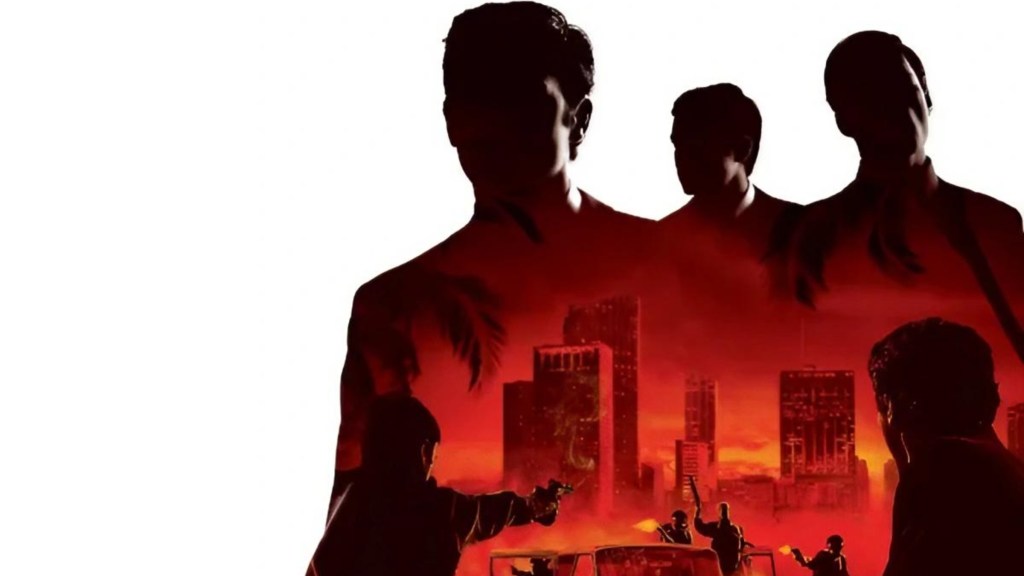
The Godfather II video game is the kind of odd and frustrating tie-in that gamers simply don’t get anymore. The Godfather II was the follow-up to 2006’s The Godfather, with both games following a non-canon participant in the overarching saga of the Corleone crime family. While the first game actually did a pretty good job of remaining faithful to the film it was based on while finding room for an original story following underboss Aldo Trapani, the sequel instead deviates more heavily from the film. After Aldo is killed in Cuba, his protégé Dominic becomes the player character. Both games are very much a riff on the GTA archetypes with third-person action and life-sim elements.
Whereas the first game did a good job of sliding Aldo throughout the plot into key moments without distracting from the established film, Dominic’s arc is much more aggressively proactive. He becomes the underboss of New York City very quickly, setting up an interesting take on the management sim that nevertheless undercuts the authority and control of the Corleone family. The inclusion of characters like Tom Hagen as Dominic’s consigliere feels like an opportunity to shoehorn in established characters instead of fitting Dominic into the established plot.
Parts of the story are changed to accommodate the rise of Dominic, such as the nature of Fredo’s betrayal being more tightly connected to Dominic’s arc. Michael is surprisingly unimportant in this game, more of a plot device than an actual character. The game ends with Dominic being named an unofficial member of the Corleone family, which feels like a very big shift away from the canon of the films that the games are nominally being respectful towards. It’s a big shift away from the plot that raises a lot of questions about how it impacts the overarching narrative and how things would have been different in a prospective The Godfather III game — only for poor reviews and underwhelming sales leading to the potential third game being shelved.
The Godfather II Game Proves Why Some Stories Don’t Work In Games
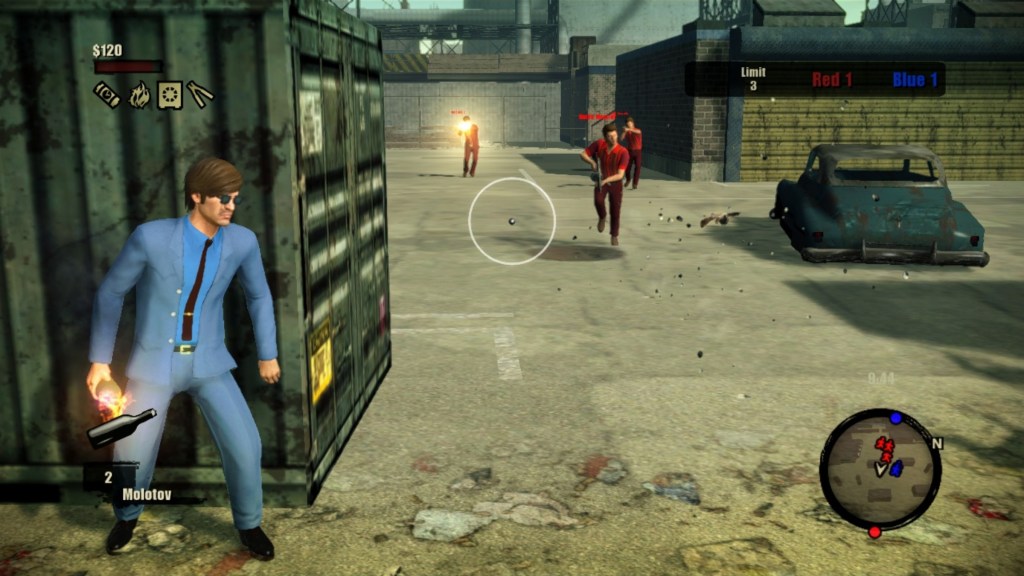
Despite not being as well-received as the GTA games that largely inspired it, The Godfather was a surprisingly effective game adaptation. The underlying gameplay was good, the new elements felt appropriate, and it never felt like it was stepping on the story established in the films. Unfortunately, The Godfather II did a poor job in the same regard. The changes to the story effectively sideline the main figures of the narrative, turning them into supporting players in Dominic’s plot instead of the other way around (which was a major appeal of the first game).
The exclusion of Don Corleone’s own arc, which is crucial to the emotional impact of The Godfather Part II, leaves the story feeling half-finished. The ending, an almost triumphant portrayal of Dominic’s rise to power, feels disconnected from the very human cost of the criminal world that makes up the thematic strength of the films. While the first game also couldn’t quite match that because of the inherent power fantasy that comes with video games, it was able to position itself as a well-made side story to help undercut those problems.
The Godfather II has no such advantage, making it feel like a surface-level reading of the sequel as a result. Gaming doesn’t have nearly as many film adaptations as it used to, which can sometimes feel like a shame. Good movie adaptations like Spider-Man 2, GoldenEye 007, Aladdin, The Chronicles of Riddick: Escape from Butcher Bay, and The Godfather find clever ways to reflect the cinematic adventures and remain consistent with them even as they introduce new plot lines, characters, and events to accommodate the shift in medium. The Godfather II is a reminder that not all game adaptations can accomplish that.
Most Viewed
-
Image Courtesy of TOHO -

Image Courtesy of Crunchyroll -
Image courtesy of Marvel Studios -
Image Courtesy of Marvel Comics