Nintendo has no shortage of iconic franchises, and some of these have spin-off series of their own. These keep the core identity of the mainline series, but put a creative twist on visuals and gameplay, sometimes to the point that they surprise their original creations. And some of these spin-offs have a timelessness about them that makes them equally as good as the day they launched, even years later. But there are occasionally games that tarnish a series reputation, or put it down a path that leaves future games feeling completely different.
Videos by ComicBook.com
Super Paper Mario, released on April 9th, 2007, did exactly that. It was not a bad game. In fact, it was well received in many ways. Yet it quietly shifted the direction of Paper Mario in a way the series has never fully recovered from. To this day, Paper Mario and Paper Mario: The Thousand-Year Door are celebrated as some of Nintendo’s best work, while the rest of the series has struggled to reach those same heights.
When Paper Mario Took a Different Path
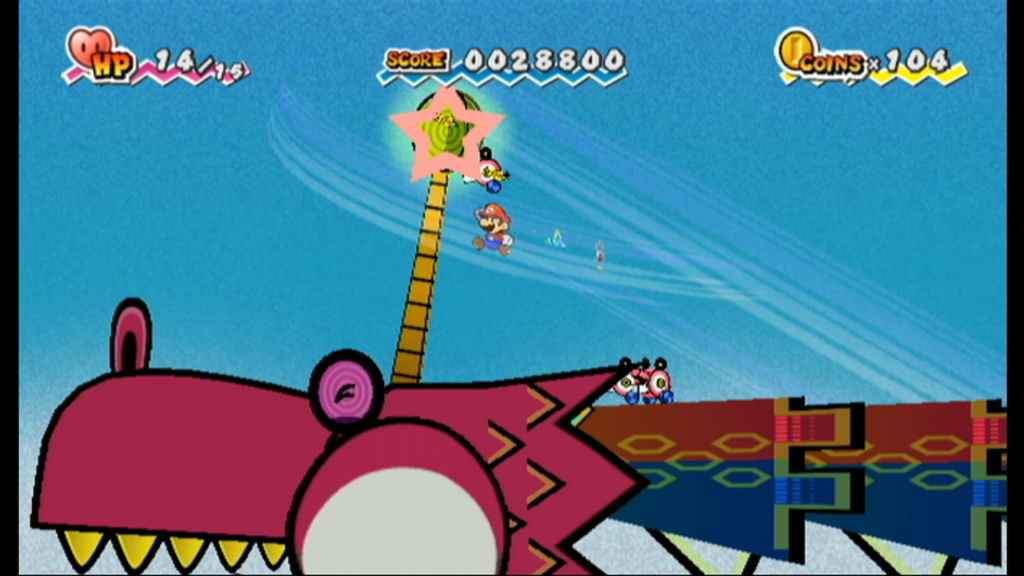
Super Paper Mario is often remembered fondly, and for good reason. It delivered a unique blend of platforming and RPG elements that set it apart from its predecessors. The ability to switch between 2D and 3D perspectives showcased Nintendo’s creativity and ability to experiment with established systems, as well as added a layer of puzzle-solving that felt fresh at the time. While I was completely shocked at how different it felt, I genuinely enjoyed my time with Super Paper Mario.
One thing that helped me enjoy the game, even though it felt different, was that it featured one of the most ambitious stories in the series. Its narrative explored deeper themes than many Nintendo titles, with emotional moments and memorable characters that stuck with players. For many fans, this was a highlight that elevated the experience beyond standard expectations, something that is worth celebrating because the series had strong writing before this.
I still remember being surprised by how much the story pulled me in. I went in expecting something light and ended up getting attached to characters I did not expect to care about. Paper Mario: The Thousand-Year Door had an incredible story, balancing heavy themes with humor, and Super Paper Mario pushed this to new heights. Nintendo games have never been known for their stories, so I’ve always appreciated Paper Mario’s storylines.
Moving Away From What Made Paper Mario Special
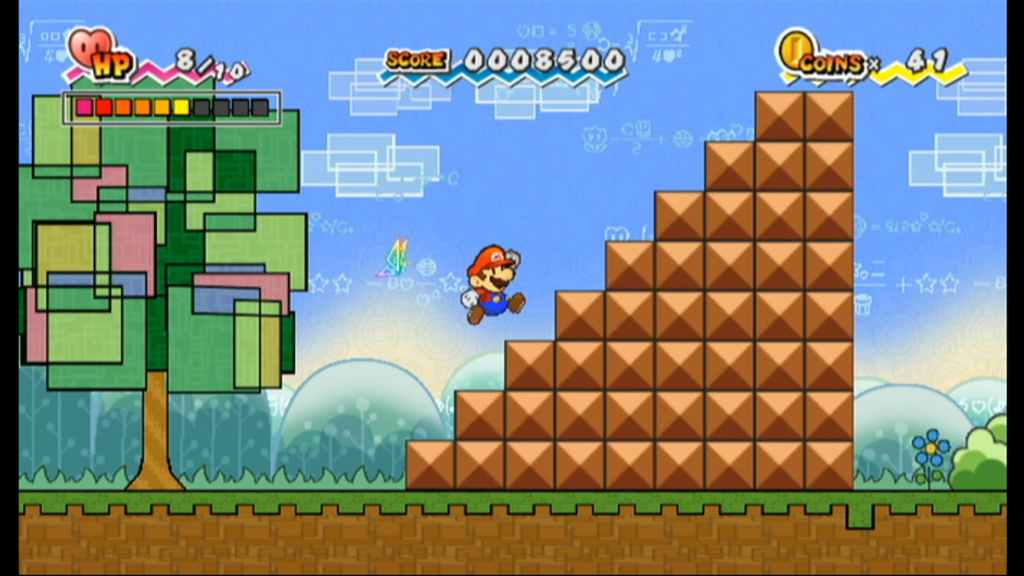
Despite its strengths, Super Paper Mario marked a major departure from the formula that defined earlier entries. The turn-based combat system, which was central to Paper Mario and Paper Mario: The Thousand-Year Door, was replaced with real-time action. This change fundamentally altered how the game felt to play and stripped away one of the core pillars of the series.
The original games were built around strategy. Battles required planning, timing, and resource management. Removing that system shifted the focus toward platforming and exploration. While that approach worked for some players, it left the main fan base feeling like something important had been lost. It’s not that this approach was bad, because Super Paper Mario had great gameplay, but I wish that Nintendo had given it to another series, or created one specifically for it.
While the story and writing felt like Paper Mario, the gameplay just didn’t feel the same. Even if the action gameplay was fun, it lacked the depth that fans had come to love with the series. It felt like the game was moving in a different direction, and that change would only become more noticeable in later entries. For many, this would mark the end of Paper Mario. In fact, Super Paper Mario is widely considered the last good game in the series.
A Divided Fanbase That Still Exists Today
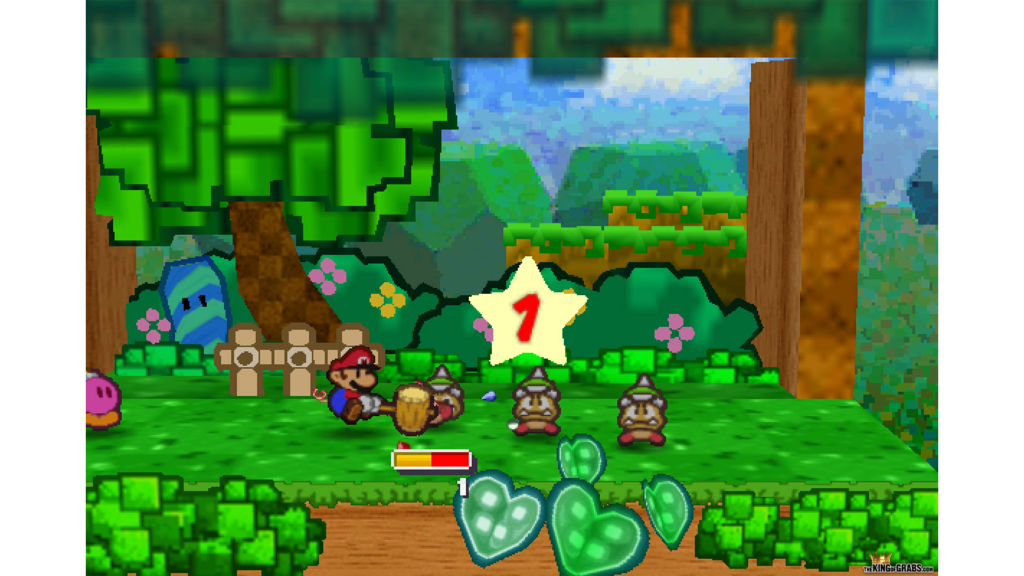
The impact of Super Paper Mario is still felt nearly 20 years later. It created a split within the fanbase that has never fully healed. Its follow-up, Paper Mario: Sticker Star, only deepened the rift, and each subsequent game has followed this divergent path. Experimentation is fine, but the games removed what made the series what it was. Many believe that this wildly different direction for Paper Mario was due to Nintendo not wanting the series to compete with the Mario + Luigi RPG series.
On the one hand, some fans appreciated the innovation. They see Super Paper Mario as a bold step that prevented the series from becoming stagnant. They enjoy the focus on storytelling and the willingness to try new ideas, even if it means leaving some traditions behind. On the other side, some fans believe the series lost its identity. They point to Paper Mario and Paper Mario: The Thousand-Year Door as examples of what made the franchise special. For them, the shift away from turn-based combat and deeper RPG systems marked the beginning of a decline.
Nearly 20 years later, it is clear that this one game changed everything. It did not end the series outright, but it altered its path in a way that still defines it today. That is what makes it so fascinating to look back on. It is both a great game and a turning point that reshaped one of Nintendo’s most beloved franchises. We have yet to see Paper Mario return to its roots, but there is hope that we see a Nintendo Switch 2 entry bring back the RPG aspects that made it popular in the first place.
What do you think? Leave a comment below and join the conversation now in the ComicBook Forum!
Most Viewed
-

Image Courtesy of Netflix -

Courtesy of ENGI / Kadokawa / Sentai Filmworks -
Courtesy of Wizards of the Coast -

Courtesy of Sony Pictures Animation / McDonalds