Some of the best science fiction games revolve around space: exploring it, discovering new planets, and ship-to-ship battles. At its core, it is a genre that asks who we are by showing us who else might exist—intelligent life beyond humanity, strange cultures shaped by alien biology and belief, societies that challenge our assumptions about morality, identity, and progress. Yet so many games get this wrong, either by not including alien species or making them feel flat. Too many games treat space as a backdrop for adventure rather than a living frontier filled with others who can redefine what it means to be alive.
Videos by ComicBook.com
This leads these vast galaxies to feel empty, or at best, shallow. Players hop between planets, mine resources, and scan anomalies, but rarely encounter the alien minds that should be the heart of the experience. This isn’t to say all games do this, because some have done it incredibly well. Space should be a playground for the human ego, but also a canvas for interspecies imagination.
The Hollow Vastness of Modern Space Games
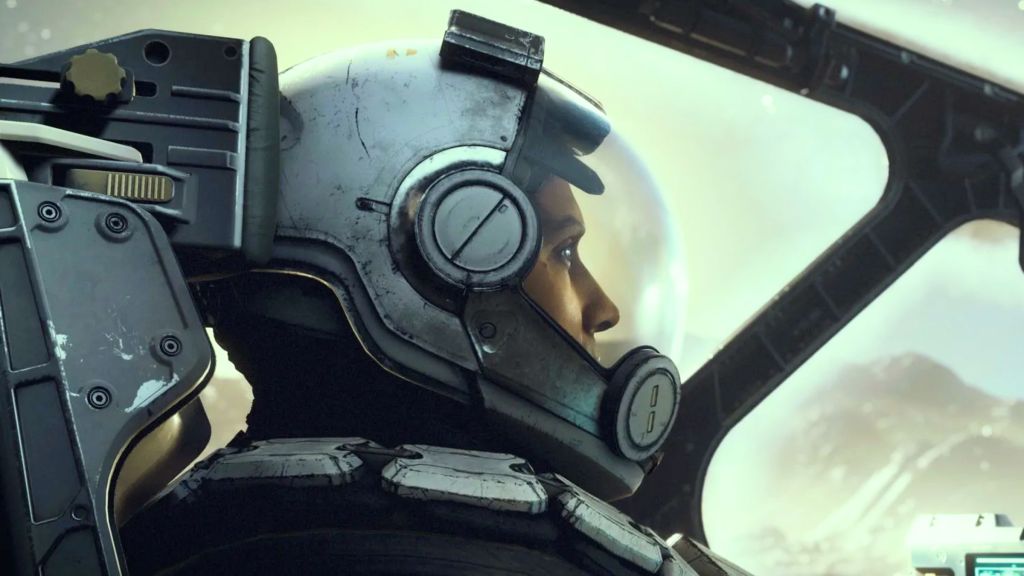
Many of today’s big-budget science fiction games are triumphs of visuals, gameplay, and narratives, but ultimately fail in the most important part of space games: imagination. They offer massive open universes, realistic star physics, and endless procedural planets — yet most of those worlds are barren of meaningful life. Bethesda’s Starfield is guilty of this, becoming an exercise in quantity over quality. There may be endless places to go, but it’s like visiting an art museum where every painting is the same. Where is the diversity?
This isn’t just a nitpick about content; it’s a creative problem. Science fiction thrives on tension between the familiar and the alien. When games remove that contrast, they remove the mystery, the fear, the wonder that define the genre. The stars lose their stories as players become explorers without purpose, pioneers without discovery. Developers will justify this with a pursuit of realism, but this is an excuse, one that is damaging the industry.
Then there are the games that include alien species, but they are one-dimensional or not fleshed out. No Man’s Sky, while being one of the biggest and most ambitious space games, includes aliens that fit this bill. This feels like inclusion for inclusion’s sake, such as the Thargoids in Elite Dangerous, who exist, but little is known about them. Their purpose primarily seems to give players an otherworldly antagonist, which is a shame given how much opportunity there is with alien civilizations.
When Sci-fi Gets It Right
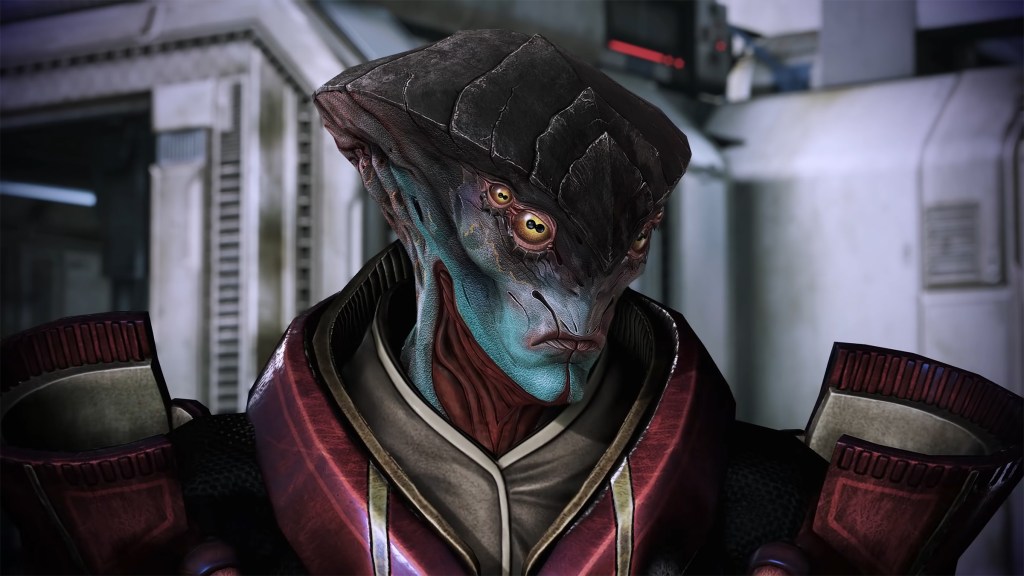
The Mass Effect trilogy remains the benchmark for what science fiction in games can achieve when developers dare to fill the galaxy with life. BioWare understands that the magic of space and exploration is the sentient life forms out there that differ from humans. Every alien species in Mass Effect, from the stoic Turians to the enigmatic Asari, felt like a reflection of human complexity through a different lens of biology and culture. Their histories, philosophies, and even their prejudices shaped how players saw the universe.
Interacting with these species is crucial to the narrative and gameplay. You form diplomatic relationships that shape every alliance and misunderstanding, showing empathy through difference. The player’s choices carried real emotional and moral weight because they weren’t just dealing with caricature factions, but with civilizations. There was such depth to every alien species in Mass Effect that made players want to learn more. Interactions weren’t forced, but pursued.
Contrast this with something like Starfield or The Outer Worlds, which promised the stars but delivers a solar system of humans. Its vision of the cosmos revolves almost entirely around human factions, human concerns, and human architecture. The galaxy felt so shallow, and the lack of other intelligent species gives no mirror to hold up to our species. Games like No Man’s Sky and Elite Dangerous fall into similar traps, though for different reasons. Their universes are enormous, algorithmically infinite, but their alien encounters are often cosmetic, surface-level differences without cultural substance.
Why Space Needs the Alien

The absence of alien civilizations in sci-fi gaming isn’t just a missed creative opportunity; it’s a philosophical void. The encounter with aliens not only adds to the gameplay and storytelling but is a testament to how science fiction tests the limits of our humanity. Whether through friendship, conflict, or misunderstanding, the alien forces us to question what makes us unique or what makes us right. Without that encounter, the genre loses the imaginative spark.
The horizon of space games has a chance to rectify this. Mass Effect 5 could be the return BioWare desperately needs, while Exodus is a brave new chapter in sci-fi games. BioWare’s series has long established itself as a master of including alien species, while Archetype Entertainment has a rare opportunity to surpass the Mass Effect trilogy. A lot of these games’ success will depend on how they incorporate and handle alien civilizations alongside humanity.
There is no hard rule saying that a space needs to include aliens. Look at the cult hit Firefly, a space-faring TV show devoid of aliens, and you see this is true. But despite the show’s following, space is richer with other forms of life, especially in video games, when the power of choice lies so heavily with the player. Space is such a fascinating environment, and it is sad to see how many developers ignore one of the most crucial aspects it. Space may not need aliens, but players need the innovation and variety this feature brings, now more than ever.
What do you think? Leave a comment below and join the conversation now in the ComicBook Forum!
Most Viewed
-

Courtesy of TOHO Animation -

Image Courtesy of MAPPA -

Image Courtesy of Shueisha -

Courtesy of Viz Media