
There’s something grabbing about a video game sequel that feels so whole that it makes you wonder if anything more could, or should, follow it. It’s rare, but when it does happen, it leaves a strange, but powerful sensation behind. It’s the sense of an ending wrapped too neatly to continue, yet too impactful to simply let fade away. Every great series dreams of reaching that point: where a story concludes with such resonance that continuing it risks diminishing its value.
Videos by ComicBook.com
And yet, the industry rarely lets a good thing rest peacefully. The allure of continuing success and further financial gain often outweighs the creative silence that true closure brings. Still, some sequels stand as near-perfect endpoints. They tell stories so complete that another entry feels unnecessary, even dangerous. Here are three of those games: sequels that make you question whether the series should stop right there.
3. The Last of Us Part II
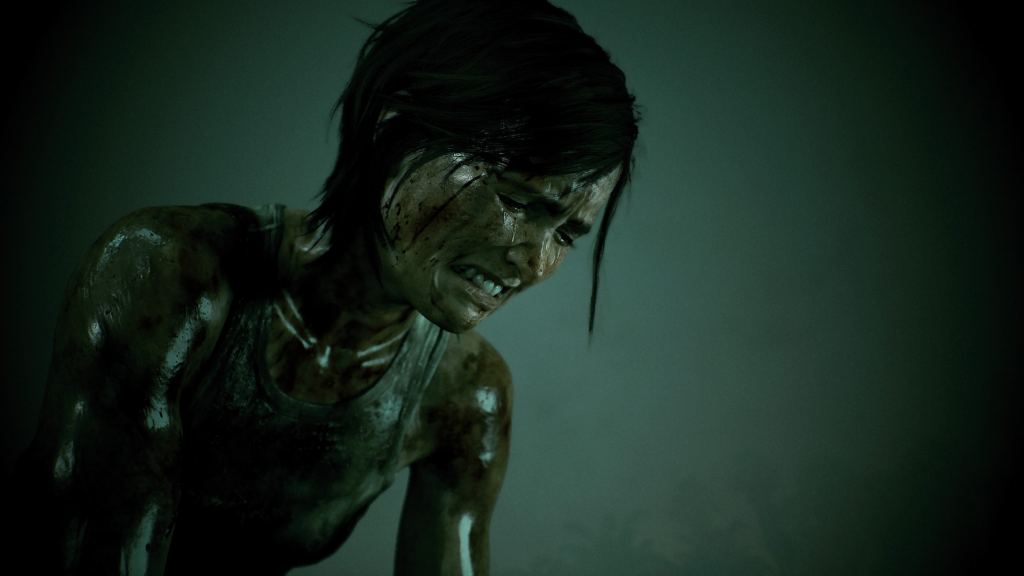
When The Last of Us Part II was released, it shattered expectations (not in a good way) of what a sequel could be. It wasn’t a safe follow-up designed to please fans, either. No. Instead, it was a brutal, divisive, and deeply emotional exploration of revenge and the cyclical nature of violence born of such dark convection. For many, it was also an ending that felt almost too complete, or rather, unsatisfactory.
Ellie’s journey through the aftermath of Joel’s choices tore open wounds that the first game had carefully closed. The world was darker, and the characters more fractured and broken than ever before. By the time the credits rolled, you were left with an emptiness, the worst kind that only comes when a story feels final, but not in the way you had hoped. It was as if Ellie’s story, and perhaps humanity’s within that world, had nowhere meaningful left to go.
And yet, whispers of The Last of Us Part III continue to echo. As just mentioned, Ellie’s conclusion felt both final and not at the same time. Ellie was completely broken by the end, and many still hope for a happy ending for her in a potential sequel. To return to that universe risks repetition, or worse, diluting what made it powerful. But maybe that’s what makes Part II so haunting. It left you not craving more, but wondering if you had already seen the series’ true end.
2. God of War: Ragnarök

God of War (2018) reinvented Kratos as something more than an angry god seeking revenge in the most brutal ways possible. Ragnarok finished that transformation. It was an epic conclusion wrapped in reflection and emotion, and could be considered a solid, possible end to Kratos. In the game, he found redemption, and his son, Atreus, found purpose; thus, the mythological world around them shifted into something that resembled peace. It felt like closure.
Everything about Ragnarok played out like a finale. The arcs that began years ago reached their natural conclusion, both in character and theme. The father-son relationship, once tense and uncertain, became one of understanding. Even the game’s final moments carried a quiet dignity, as though the series itself was exhaling after years of violence. You could feel the weight lifting, as if Kratos had finally earned rest.
But endings rarely stay endings in the world of games. The studio behind God of War has already hinted at more to come. It raises a fair question: can a story that ends so perfectly continue without losing its meaning? Kratos’ peace was hard-won, and any continuation risks undoing that triumph. Even so, there’s no doubt that there are plenty more gods where that came from. Maybe that’s why Ragnarok still lingers in your mind: because it felt like an ending disguised as a new beginning. The odds of this series continuing are high because, despite the solid closure in Ragnarok, there is plenty of potential for more of Kratos’s and especially Atreus’ adventures.
1. Assassin’s Creed II (and the Ezio Trilogy)

If Assassin’s Creed was a promising proof of concept, Assassin’s Creed II was its full-on realization. The story of Ezio transformed the series into a global phenomenon, grounding its wild sci-fi premise in heart and humanity. You watched Ezio grow from a reckless youth to a master assassin and, by the time Revelations ended, a wise man ready to lay down his weapons. It was a journey that felt complete in every sense.
The trilogy captured the perfect rise and fall of a hero. Each game added depth rather than stretching thin. Brotherhood built his legend, and Revelations closed it with fitting introspection. Ezio’s final monologue was not just a farewell to his life, but perhaps to the entire Assassin’s Creed idea as it was originally conceived. Yet, Ubisoft couldn’t stop there. The franchise expanded into new lands, new time periods, and new characters until the core of what made it special began to blur.
In hindsight, you might look back at Ezio’s trilogy as the moment Assassin’s Creed could have ended gracefully. It had achieved something rare in narrative: closure within a blockbuster franchise. Everything after has felt like an echo or even filler, chasing lightning in a jar, but never quite finding it again. Perhaps the truth is that Assassin’s Creed II didn’t just define a series. It quietly ended it, even as the name lived on. Today’s Assassin’s Creed titles surely utilize the franchise name, but the narrative that began with the proof of concept ended soundly and sufficiently with Revelations.
What do you think? Leave a comment below and join the conversation now in the ComicBook Forum!
Most Viewed
-

Courtesy of Eight-Bit -
Courtesy of Lionhead Studios -

Photo by Jesse Grant/Variety via Getty Images -

Image via Prime Video -

Image courtesy of 20th Century Studios -
Courtesy of Kadokawa / Shosetsuka ni Naro


