Not every game in the Halo series is meant to follow the story of the Master Chief, as the franchise has seen several spin-offs from the green-clad Spartan’s adventures. From new twists on the series’ FPS formula to changes of the genre entirely, the non-mainline Halo games can be just as interesting as the ones the comprise the core story. In many ways, these type of games can take more risks than the numbered Halo titles, creating unique experiences that players will remember fondly.
Videos by ComicBook.com
There aren’t too many Halo games that exist outside the main collection that players know best, with even newer titles in the series retreading old ground. Although Halo: Campaign Evolved‘s new story content in its prequel missions will provide fresh context to the mainline series’ narrative, the spin-offs are able to exist on their own. At the same time, not all of these spin-offs were created equal, with some being far smaller experiences than the multi-hour campaign journeys offered in the main games.
5. Halo: Spartan Assault/Strike
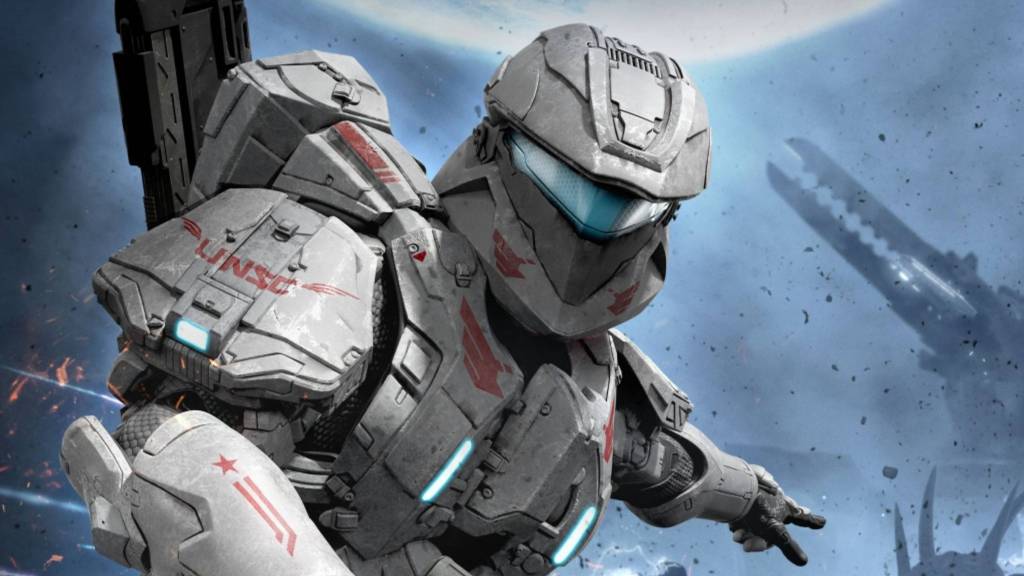
Halo: Spartan Assault was a twin-stick shoot-em-up game developed for mobile platforms, telling the story of the budding Spartan IV program that was created before the events of Halo 4. This game, and its sequel Halo: Spartan Strike, were small compilations of 30 missions each, putting players in a series of war games designed to pit them against various enemies in isolated formats. From a top-down perspective, players controlled a Spartan as they acquired new weapons, abilities, and vehicles to take down enemies that appeared in waves and complete various mission objectives.
Despite its simple premise, both Spartan Assault and Spartan Strike are interesting takes on the Halo formula, almost adopting an arcade-style approach. Similar to Contra or classic beat-em-up adventures, Spartan Assault/Strike has players get power-ups to advance through levels, progressing into missions until a scripted endpoint is reached. Skulls and stage unlocks through high scores add some replayability, but these are shorter Halo experiences that provide unique insight into series lore.
The best praise these games can be given is that they retain much of what makes the Halo setting interesting, especially in regards to the often mysterious Spartan program. The bite-sized missions are varied enough to be interesting too, with some in Halo: Spartan Strike taking lessons from the previous game to develop intense levels. Yet, while this series of top-down shooters is enjoyable, it doesn’t contain nearly enough content to be comparable to the other spin-offs on this list.
4. Halo Wars
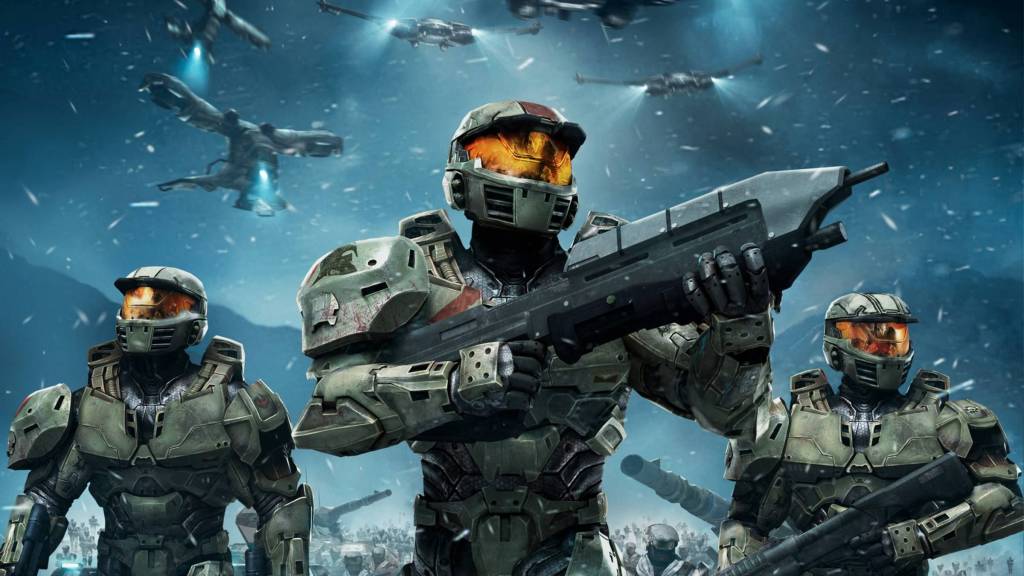
Taking a bold step away from the mainline story, Halo Wars is arguably the most unique game in the series, transforming the sci-fi gameplay from an FPS into a real-time strategy (RTS) experience. Halo Wars marks the first time the UNSC and Covenant encounter each other, providing an interesting perspective to the war that would later shape events for the rest of the franchise. Building bases, recruiting units, and even taking control of powerful hero characters to turn the tides of battle create a flow unlike any other Halo game out there.
The game changes drastically depending on your faction’s leader, whether you are someone on the side of the UNSC or Covenant. Six different leaders drastically change how your army functions, making multiplayer far more varied than you might expect. That being said, the campaign is once again where this Halo game flourishes, providing a story with some of the most detailed cutscenes in the franchise. The RTS systems in this game have layers to them too, using a “rock-paper-scissors” formula of infantry, vehicles, and flying vehicles to balance out how units interact with each other.
Hardcore RTS fans have criticized the original Halo Wars as being a very bare bones interpretation of the genre, and rightfully so. Although units have special abilities to utilize in battle, everything else is fairly simplified for straightforward strategies and unlock paths. As a result, you’ll see a lot of the same thing playing Halo Wars, but the map design and army control of this game still honors the genre for a nearly singular Halo adaptation.
3. Halo Wars 2
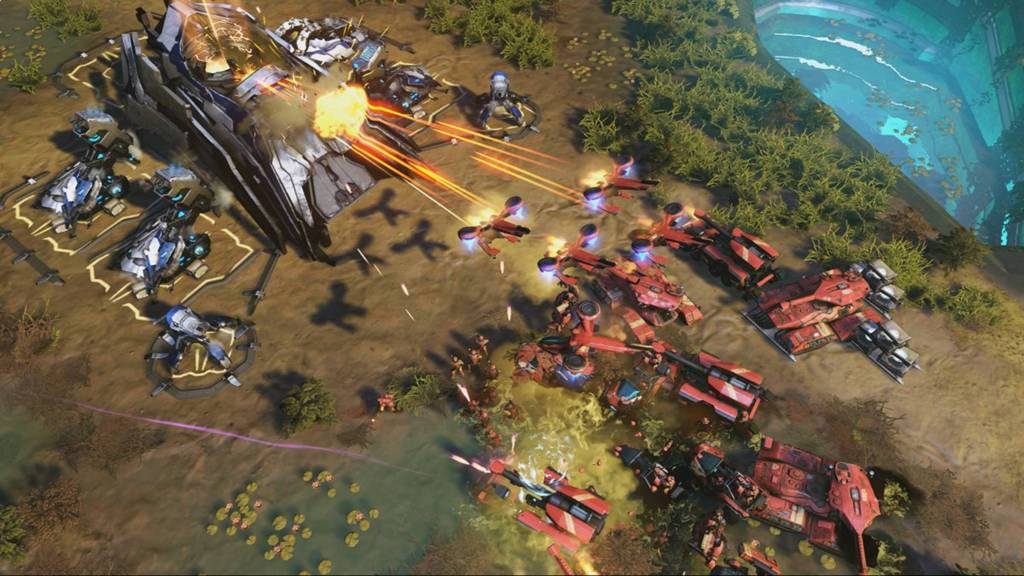
Halo Wars 2 took everything from the first title and dialed up to its full potential, even introducing a fascinating faction that became the focal point of Halo Infinite. The Banished are a group of rogue Covenant sporting red armor led by the terrifying Atriox, a Brute war chief with a strategic mind perfect for this RTS. Atriox’s popularity through this spin-off is a testament to the game’s appeal, with a story that sees returning characters from the first Halo Wars in a desperate standoff against The Banished on The Ark from Halo 3.
Plenty of new features helped Halo Wars 2 stand out from its predecessor besides a shiny new campaign. The new Terminus Firefight mode allowed players to team up together, providing a co-op RTS mode that is still enjoyable to play today. At the same time, gameplay was made much smoother, making armies easier to control than ever. Expansions like Awaken the Nightmare added even more content for players to enjoy, including a story where The Flood officially returned as a horrifying new faction to face.
New leaders, improved enemy AI, and a greater variety of maps and modes made Halo Wars 2 perhaps the best non-FPS edition of Halo ever made. The multitude of post-launch updates for the game helped its case a lot too, even if some players still claim it to be a much “dumber” RTS compared to Starcraft 2 or the Civilization series. While lack of replayability and now vacant online multiplayer bogs it down today, Halo Wars 2 is still a great example of how the sci-fi franchise can branch out from what is expected.
2. Halo 3: ODST
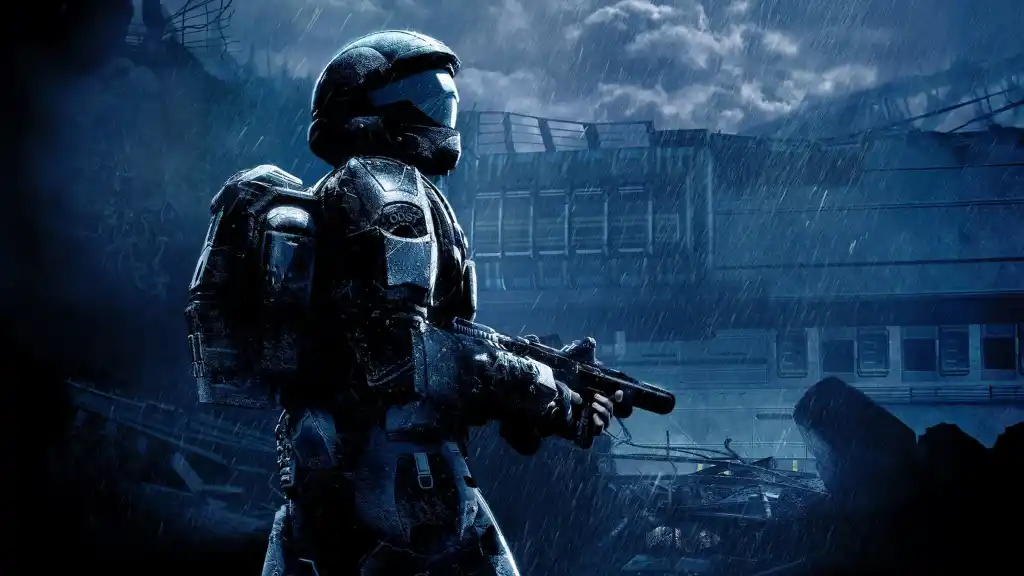
From the moment the soft jazz starts playing in Halo 3: ODST, you know the game’s tone is far different from the mainline titles of the series. This game is almost the first true “spin-off” to Halo, taking the framework of Halo 3 and telling a new adventure set within it. This game tells an asymmetric campaign story about Orbital Drop Shock Troopers, or Marine soldiers of the UNSC who drop from orbit onto the battlefield. Without the strength and high-tech armor of a Spartan, playing as a UNSC rookie makes you feel more vulnerable in the game’s FPS adventure.
As you play through Halo 3: ODST, you assume the role of different members of an ODST squad as they navigate the city of New Mombasa, a location seen first in Halo 2. Following the events of that game, your team must not only find each other after a tough landing, but also survive the Covenant-infested streets of the metropolis. The urban setting of this game is different compared to the deep space or artificial rings of Halo installations, feeling more grounded as a result.
The gameplay reflects this, with less shields, limited mobility, and a grainy UI that emphasizes a down-to-earth style. Large-scale battles are replaced with moments of guerilla warfare, in missions where you must use every advantage to defeat strong Covenant-controlled forces. This game also introduces Firefight mode, an endless challenge where you and your friends can try to endure waves of Covenant foes. The story of this game may not be the best in the series, but its aesthetic is strong enough to capture the hearts of audiences, who still look back on this title fondly in the series’ history.
1. Halo: Reach
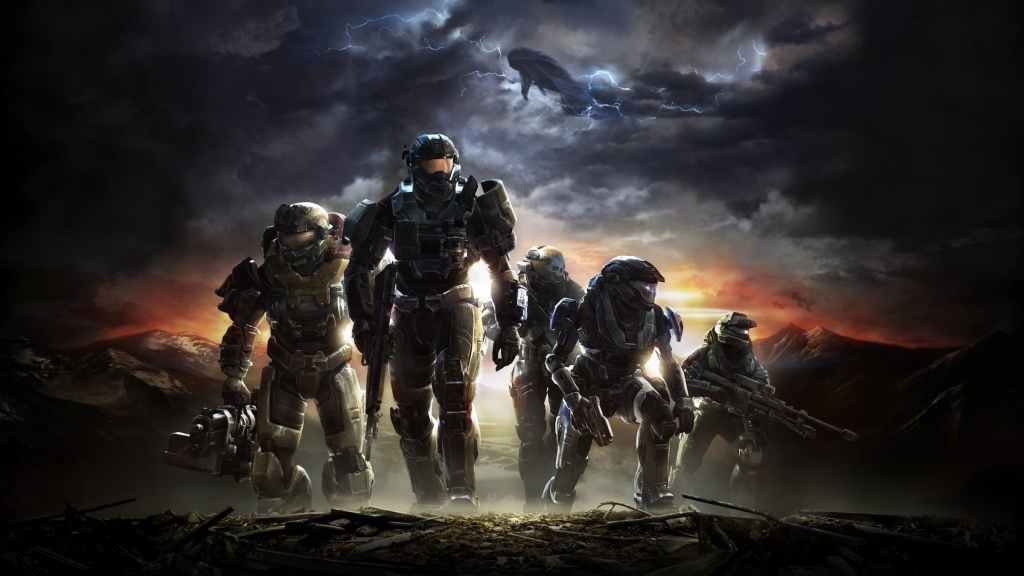
Halo: Reach isn’t just the best non-mainline Halo game, as for many, it might as well be the pinnacle of the series. The last Halo game developed by Bungie, Halo: Reach is a bold step forward that later defined many of the features seen in games like Halo 4 all the way through Halo Infinite. Set as a prequel to the events of Halo: Combat Evolved, Halo: Reach tells the story of Noble Team, a group of Spartans based on the planet Reach, which quickly becomes an unwinnable war zone against the full might of the Covenant.
This game practically re-invents what Halo can be, from redesigned intelligent enemy AI that issues commands and takes cover to the implementation of Armor Abilities characters can use. This is the first game where a Sprint option was created, along with other Armor Ability skills like a Jetpack, Active Camouflage, Hologram, and more. This expansion to Halo‘s gameplay was exciting, but the true merits of Halo: Reach came from its campaign and multiplayer. Players could create their own worlds in Forge mode to create custom playlists with others, even inventing their own modes for others to try.
The creative freedom in Halo: Reach combines with a tragic story of sacrifice and hope to form one of the best experiences in the series. There are an endless number of features you can praise in this game, from the inventive Infection and improved Firefight modes to the huge map and level designs both in the campaign and multiplayer. When it comes to non-mainline Halo games, Halo: Reach easily takes the top spot for its innovations that still make it one of the best titles in the franchise to play today.
What non-mainline Halo game is your favorite? Leave a comment below or join the conversation in the ComicBook Forum!
More Gaming
-

Courtesy of Valve, Nordic Trolls, and Gameforge -

Courtesy of PlayStation -

Courtesy of The Pokemon Company