Building a Dungeons and Dragons character can be complicated, but there are some patterns that each class has regardless of what path you take. Wizards tend to cast spells, Barbarians lean into melee combat, and Rogues like to rely on stealth, as a few examples. However, there are some subclasses and archetypes that break free from what is considered “normal” for their larger design, creating unique character ideas for unorthodox builds.
Videos by ComicBook.com
Some players might try to implement multiclass concepts into a character to give them a diverse range of options for nearly anything that happens during an adventure. Although this can be great if two classes have good synergy, newer players might struggle to balance the features, stat preferences, and other skills of multiple archetypes together. Instead, it’s easier to look at subclasses that change the core class’ standard approach and invent a new direction to explore.
5. Bladesinger Wizard
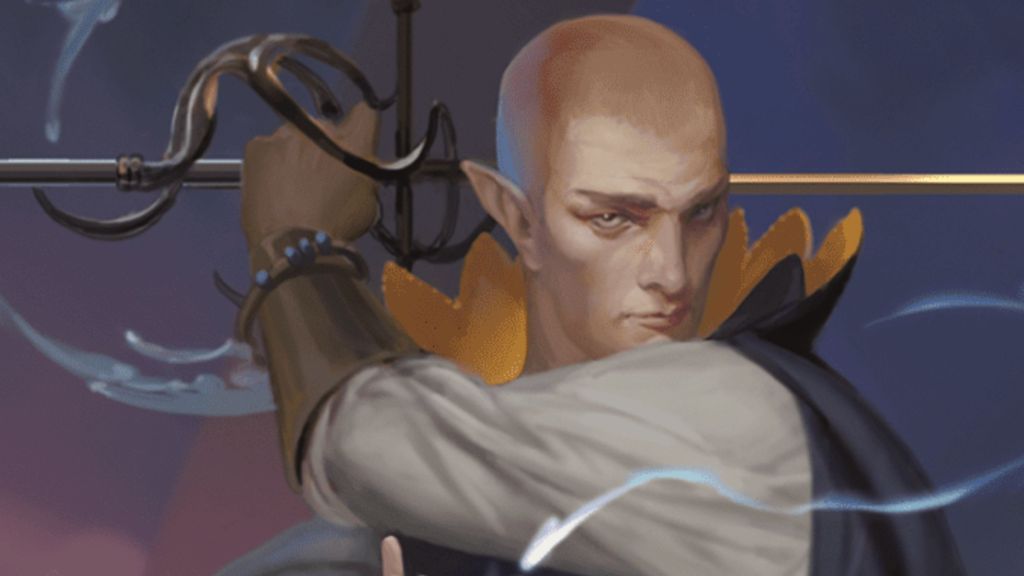
When you think of a D&D Wizard, you might default to a masterful spellcaster, or someone who uses a huge variety of magic to adapt to any situation their party finds themselves in. The Bladesinger breaks the “rule” that Wizards have to rely on spells alone, adopting a form of graceful swordplay that turns the class into a close-range fighter. This elven art channels magics into their weapon, generating a dance of pure defense provided by a blade that sings as it is wielded.
Bladesingers can evoke their titular Bladesong to use their Intelligence modifier to attack and damage enemies, rather than the Strength or Dexterity scores usually seen with melee fighting from Fighters, Rogues, and other classes. With bonuses to their AC and boons to concentration, Bladesingers in Bladesong are potent front-line combatants, usually the opposite of where you would expect Wizards to be. Extra attacks and damage reducing reactions at later levels add to this playstyle, transforming this subclass into something truly unique compared to any other Wizard path.
4. Circle of the Stars Druid
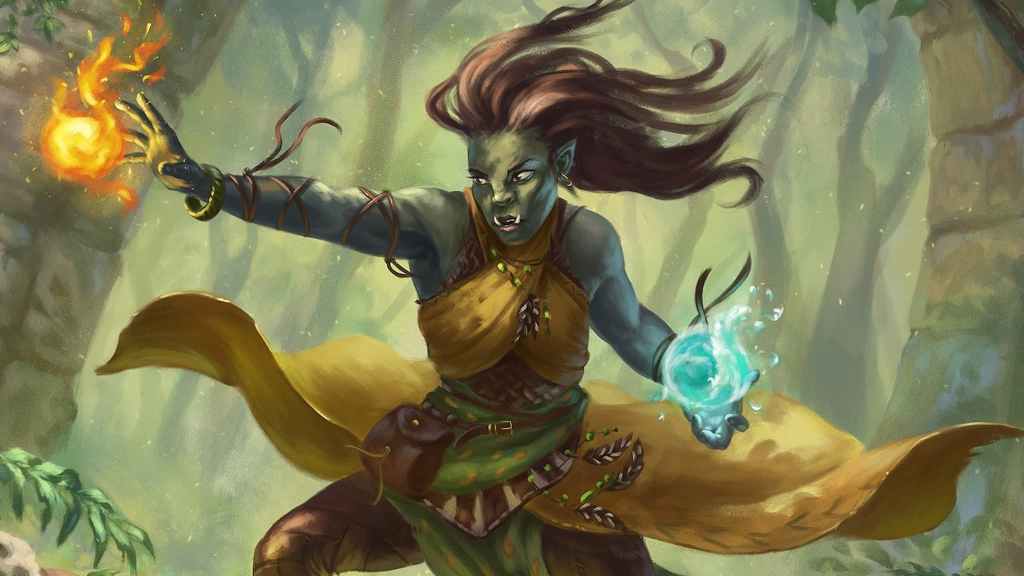
Druids have an great degree of freedom in their builds, with a large list of nature-themed spells capable of turning their party’s favor at any point. One of the integral features of all Druids, the Wild Shape, gives them even more flexibility through their changed form into various animals. The Circle of Stars Druid is perhaps the only form of the strong class in D&D that doesn’t use Wild Sense the same, instead opting to give player’s different celestial forms.

These forms might seem restrictive at first, but they are far more potent than some animal forms can provide. The Chalice, Archer, and Dragon Starry Forms each give you certain benefits, reducing the Druid’s versatility with Wild Shape, but allowing you to support your party in other ways. Whether it’s restoring Hit Points to someone, firing radiant arrows at targets, buffing the rolls of allies, or debuffing enemy rolls, this atypical Druid still has plenty to offer for interesting builds.
3. Eldritch Knight Fighter

Fighters can be molded into a variety of builds, almost with endless potential depending on what specialties you want your character to have. That being said, Eldritch Knights are different due to their ability to cast magic, a skill most martial Fighters tend to lack. The moment you pick this path at Level 3, your Fighter gets to pick a number of prepared spells from the Wizard spell list, giving you a great wealth of options that the class never gets to normally have.
Combining melee combat and magical might breaks the Fighter free from a repetitive play style, with later level features allowing you to combine spells and weapons even further. A War Bond also connects Eldritch Knights to their weapon so it never gets lost, solidifying the combination of skills the subclass provides. Depending on the spells you pick, an Eldritch Knight build can make up for a Fighter’s typical weaknesses, becoming masters of combat for the ultimate Swiss army knife of a character.
2. College of Swords Bard
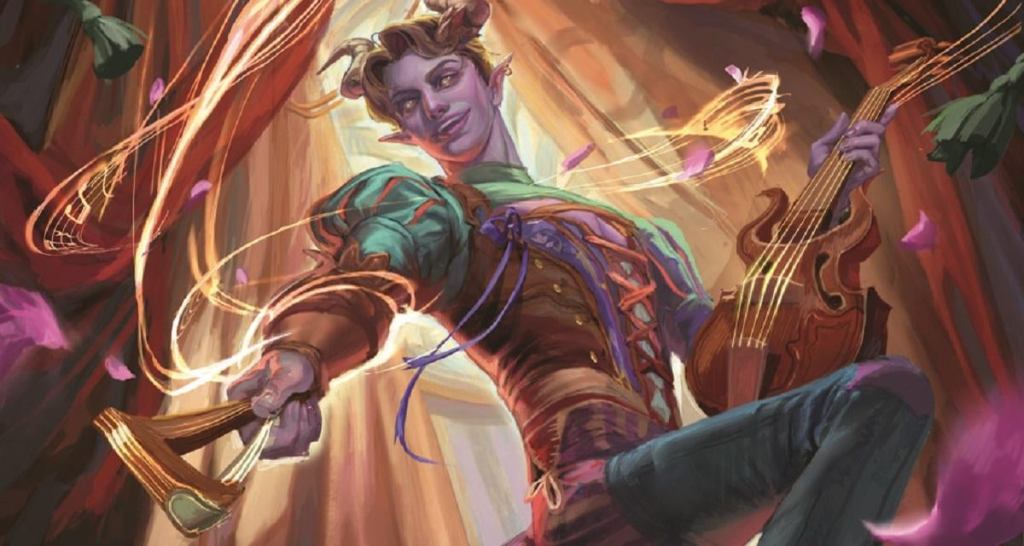
The charm of a Bard always come from inspiring artistry and magic, usually through spells that alter the minds of those around them. The College of Swords is a route Bards can take that ditches their stereotypes, molding them into hardened warriors skilled with a blade rather than honeyed words. While easy to make a mistake in D&D and assume these Bards are hopeless, the College of Swords gives this subclass ways to rival even the martial prowess of other archetypes designed to fight.
Fighting Style options are combined with Blade Flourishes for this subclass, giving a Bard character ways to expend their Bardic Inspiration on tactical moves in combat. Gaining extra movement, dealing more damage, and gaining more defensive properties all help the College of Swords Bard stand out from any other glamorous path most characters end up taking.
1. Path of Wild Magic Barbarian
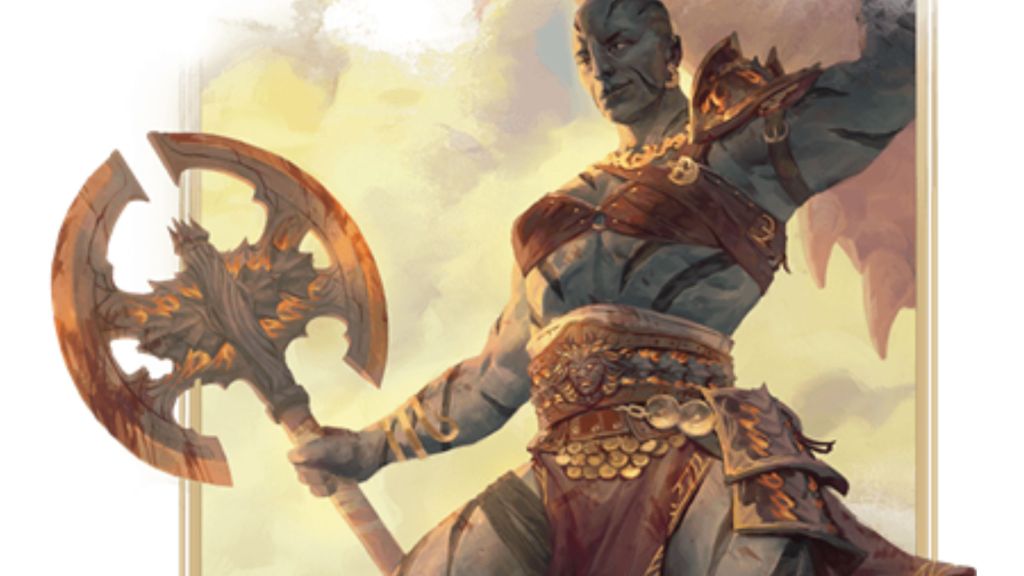
Barbarians and magic don’t mix, as the class’ signature Rage prevents spellcasting of any kind for any type of character. There is only one exception to that rule, and it comes from the Path of Wild Magic, where that same Rage triggers explosive, unpredictable magic for players looking for a build that smashes any preconceived notion about Barbarians. Much like the Sorcerer subclass of the same name, this archetype is defined by surges of Wild Magic, which do one of several effects.
Bolts of lightning, bursts of multi-colored lights, infusions of magic to weapons, and even summoning spirits are just a few of the things that can happen when magical Barbarians get mad. Unlike their Sorcerer counterparts, though, this build allows players to support other allies through their magic, giving them back spell slots or helping them pass ability checks crucial to the party’s success. Eventually, control over your Wild Magic surges help this subclass become less chaotic, giving players more chances to take deliberate action.
Among all the Barbarian classes available, the Path of Wild Magic goes against so many tropes the archetype is usually bound by. Some of the most interesting builds in Dungeons and Dragons come from those who go against tradition, especially when the contrast is stark enough to make a memorable character.
What D&D builds do you think go against what is considered “normal” for their class? Leave a comment below or join the conversation in the ComicBook Forum!
Most Viewed
-

Courtesy of Sony Pictures Animation / McDonald's -

Image Courtesy of Netflix -

Images courtesy of Warner Bros. Pictures -

Courtesy of Sony Pictures Animation / McDonalds