Sometimes, the gaming world does things that make no sense. Usually, when a game is released, it’s out there for everyone to see, play, and judge. It might be loved, hated, or somewhere in between, but the assumption is simple: once it’s public, it’s public. Yet, there’s a very strange subset of games that seem to defy that logic. These titles briefly reach the public, are accessible, then vanish. This is odd because most games just update themselves, improving with every patch.
Videos by ComicBook.com
The term “unreleased” is the best way to describe this phenomenon, even if it sounds like nonsense. These games actually existed in a playable state, sometimes on consoles, sometimes on PC, only to be pulled due to technical disasters, bad reception, or corporate decisions so baffling they make you question reality. Some never return, while others try to claw back into existence under a new form. Here are five notable examples where games literally unreleased themselves.
5. Crucible (Amazon Game Studios)

Crucible is one of the most infamous examples of a game unreleasing itself. Amazon Game Studios launched it in beta as a free-to-play multiplayer shooter featuring unique character abilities and team-based combat. However, it was not received well from day one, with players criticizing most aspects of its design. Many felt the game failed to deliver on its promises, and the combination of confusing systems and underwhelming gameplay left the community frustrated and skeptical about its future.
Then it vanished. Amazon pulled Crucible completely from public access and eventually canceled it, leaving no chance for it to return. The reasoning was reportedly a mix of underwhelming reception and internal dissatisfaction with the game’s quality. The game never reached a full release beyond its initial beta, leaving only fleeting memories and a few screenshots behind. Crucible became a surreal cautionary tale: it launched, was accessible, and then was erased, leaving a ghostly digital footprint.
4. Splitgate 2 (1047 Games)

Splitgate 2 launched as the ambitious sequel to the cult hit Splitgate, which combined arena shooting with portal mechanics. Fans were expecting refined gameplay and deeper competitive mechanics. Instead, the initial release was buggy and chaotic, with unresponsive controls, matchmaking errors, and mechanics that felt half-baked. It was playable for a short time, but the experience was so rough that many questioned whether the game had truly been ready to go live.
1047 Games ultimately answered that question, responding by removing Splitgate 2 entirely from public access, effectively unreleasing it. However, the story didn’t end there. The developers reworked the title and relaunched it under a new name, Splitgate: Arena Reloaded. This second launch went live to middling reception, with some players appreciating the fixes while others remain frustrated with the lingering issues. But, at least it is still around, unlike every other game on this list.
3. The Culling 2 (Xaviant)

The Culling 2 might be the most extreme case of a game unreleasing itself. Its predecessor had a small but devoted fanbase who loved its unique battle royale-meets-arena combat style. The sequel, however, was rushed and horrifically mismanaged. When it went live, players immediately noticed it had stripped out what made the first game special, added clunky mechanics, and launched with almost no polish. Reviews were overwhelmingly negative from day one, and players voiced their disbelief online in real time.
Within just a few days, Xaviant pulled The Culling 2 entirely from storefronts. Unlike many poorly received games that limp along, this sequel was erased as if it had never been released. Its public life lasted less than a week, leaving fans of the original game bewildered and frustrated. The Culling 2 is a tale about how quickly a rushed, poorly executed game can disappear from public access.
2. Concord (Firewalk Studios)
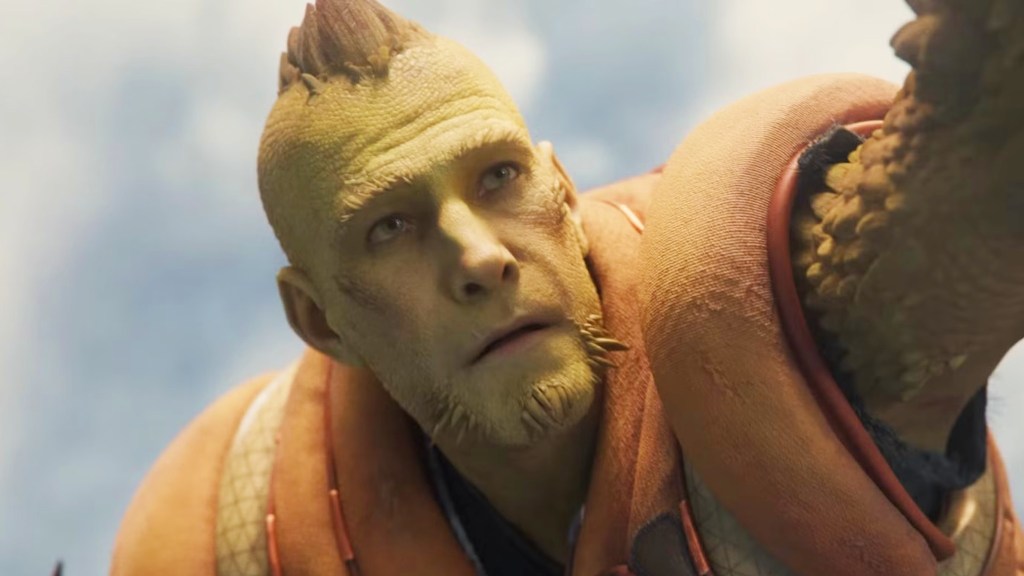
Concord was Sony’s experimental hero-shooter being developed by Firewalk Studios. It was a game that had some hype, but the first previews made it clear to the public that the game was a mess. Beyond oppressive technical issues, the game heavily catered to a very specific demographic, stacking in gimmicks and design choices that felt like pandering rather than focusing on fun. Many players felt alienated by the way the game tried to appeal to social trends instead of focusing on solid core gameplay.
The combination of poorly targeted design and technical issues quickly snowballed into a PR nightmare. Fans and media alike criticized the game for feeling forced and overly curated for a narrow audience, and the backlash spread rapidly online. Sony ultimately pulled Concord from public access entirely, effectively unreleasing it. Its disappearance stands as a rare example of a title undone as much by its design choices as by technical failure.
1. MultiVersus (Player First Games)
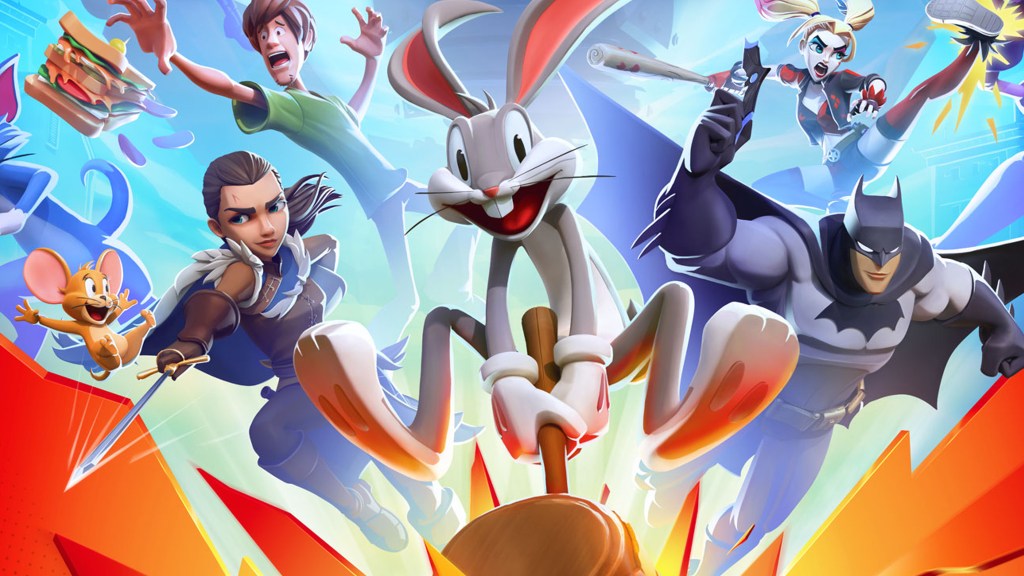
MultiVersus was a fighting game that brought together characters from across Warner Bros. franchises. The game excited players immediately, as it was a shoo-in success, clearly being built off the Super Smash Bros. concept. However, the first public release ran into serious problems. Constant technical problems and wild balance issues made it frustrating to play. Players could log in and experience it, but the game was buggy and far from polished, with its netcode arguably being its biggest offense. Then, it was unreleased.
Unlike most other games on this list, MultiVersus remained offline for an extended period. After its open beta, it was effectively pulled for several months while the developers overhauled netcode and rebalanced characters. When it eventually relaunched, the game had improved significantly. Still, the long absence made the “unrelease” feel particularly surreal, as players watched a game they could briefly access disappear for months before returning in a more stable state. Despite being significantly improved on its second launch, the game could not keep a large enough player base to remain active, so it was eventually shut down for good.
What do you think? Leave a comment below and join the conversation now in the ComicBook Forum!
Most Viewed
-

Courtesy of Crunchyroll -
Image Courtesy of TOHO -

Warner Bros. Animation / Cartoon Network Studios -
Image Courtesy of Toei Animation -
Courtesy of The Pokemon Company