The video game industry is seeing a massive rise in indie games, with some of the greatest titles being created by small teams. What makes this even more impressive is that some of these games are created by a single individual. Compared to AAA gaming, which features teams of hundreds or even thousands of artists, programmers, designers, writers, composers, and producers working together over many years. Despite having fewer resources and manpower, these solo dev games can do more than compete with the best and maintain loyal fan bases for years after their release.
Videos by ComicBook.com
The games on this list did more than achieve commercial success. They changed genres, influenced future developers, built passionate communities, and continue to attract new players years after release. Whether through unforgettable storytelling, revolutionary mechanics, or unmatched creativity, each title demonstrates what one talented creator can accomplish with enough dedication. From strategy and exploration to farming and role playing, these five projects remain shining examples that one person’s vision can challenge the biggest studios in gaming while leaving a lasting impact on the industry.
5) Braid
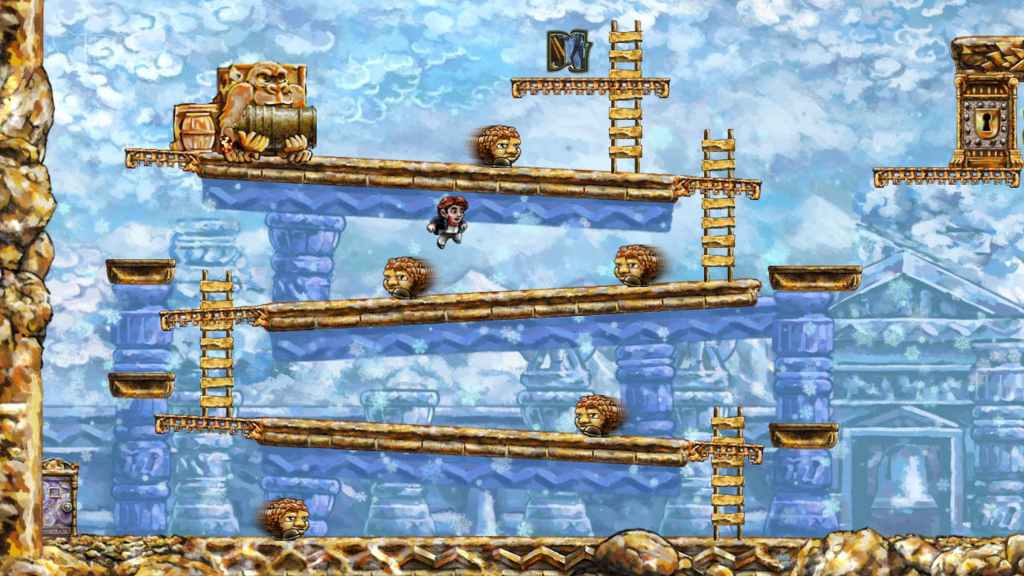
When Braid launched in 2008, indie games were only beginning to find mainstream appeal on digital storefronts. Jonathan Blow spent years designing and programming the puzzle platformer largely on his own, creating a game that challenged players to think differently about both gameplay and storytelling. While contractors contributed art and music, Blow remained the driving creative force behind nearly every aspect of development.
The game’s signature mechanic centered on manipulating time. Instead of simply jumping across platforms and avoiding enemies, players rewound mistakes, created alternate timelines, and solved increasingly complex puzzles that built upon earlier concepts. Every world introduced a fresh twist on time manipulation, preventing the gameplay from becoming repetitive while constantly rewarding experimentation.
I still remember the satisfaction of solving some of Braid’s later puzzles after spending far longer than I expected staring at the screen. It was one of those rare games that trusted players to figure things out without constant tutorials or hand-holding. That confidence became one of Braid’s defining qualities and helped establish it as one of the earliest indie classics. This same philosophy can be seen in Blow’s The Witness and hopefully in his latest game, Order of the Sinking Star.
4) Cave Story
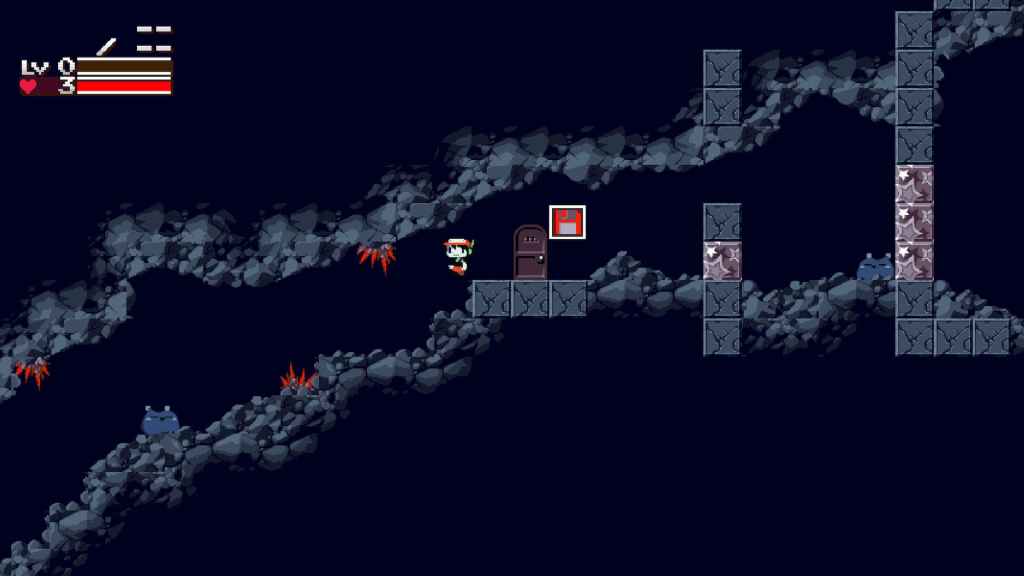
Long before indie games became a major part of the gaming industry, Daisuke “Pixel” Amaya spent roughly five years developing Cave Story almost entirely by himself. He handled the programming, art, music, writing, and design while working outside the traditional commercial game industry. Released as freeware in 2004, the game slowly built a devoted following before eventually receiving official console releases.
Its influence on the metroidvania genre cannot be overstated. Tight platforming, rewarding exploration, memorable boss battles, and multiple endings gave players plenty of reasons to revisit its mysterious world. The charming pixel art style also proved that technical limitations did not prevent a game from creating unforgettable environments and characters.
Perhaps the most impressive part of Cave Story is how complete it feels. Nothing about the experience suggests it was assembled by a single developer over several years. Every area introduces new ideas, the soundtrack remains memorable, and the pacing rarely slows. Many modern indie developers still point to Cave Story as one of their biggest inspirations for getting into game development.
3) Undertale
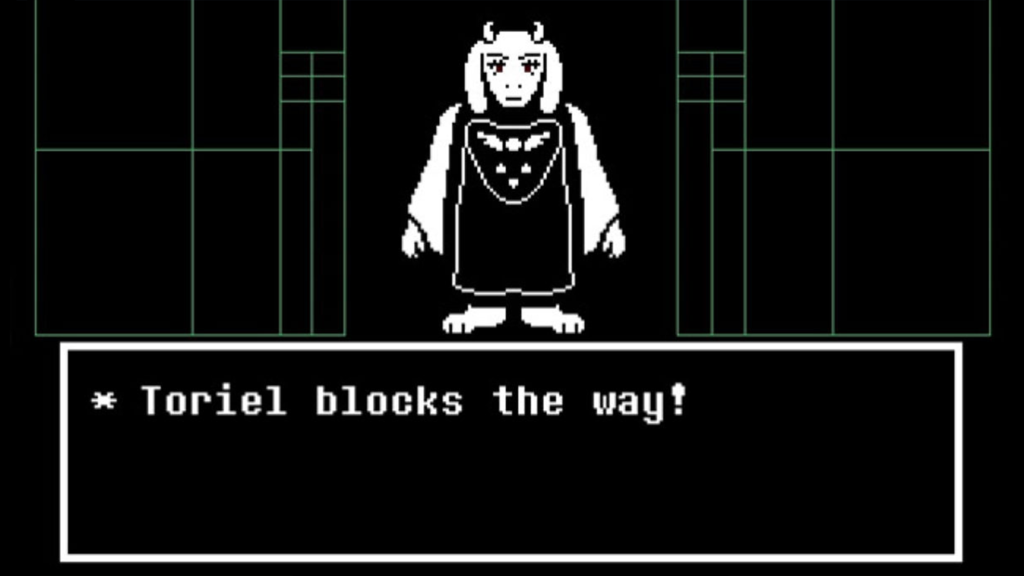
Few indie games have surprised players quite like Undertale. Toby Fox largely developed the game himself, handling programming, writing, character design, and its now-legendary soundtrack. Released in 2015, the RPG quickly became one of the most celebrated independent games ever made thanks to its unforgettable cast and unconventional approach to player choice and storytelling
Combat and how it affected progression became the game’s defining feature. Instead of forcing players to defeat every enemy, Undertale encouraged conversation, mercy, and creative problem-solving. Nearly every encounter could end peacefully, fundamentally changing how players approached traditional RPG battles. That mechanic transformed what could have been another retro-inspired adventure into something completely original.
The characters remain the biggest reason I and other fans love the game. Sans, Papyrus, Toriel, Undyne, and many others became instant fan favorites because they felt genuinely distinct from one another. Even Flowey is regarded with love despite his role in the story. Combined with Toby Fox’s outstanding soundtrack, those personalities created an emotional journey that continues to resonate with players years after release. Deltarune is proof of how skilled Fox is, though it remains to be seen if it lives up to the legacy of Undertale.
2) Minecraft
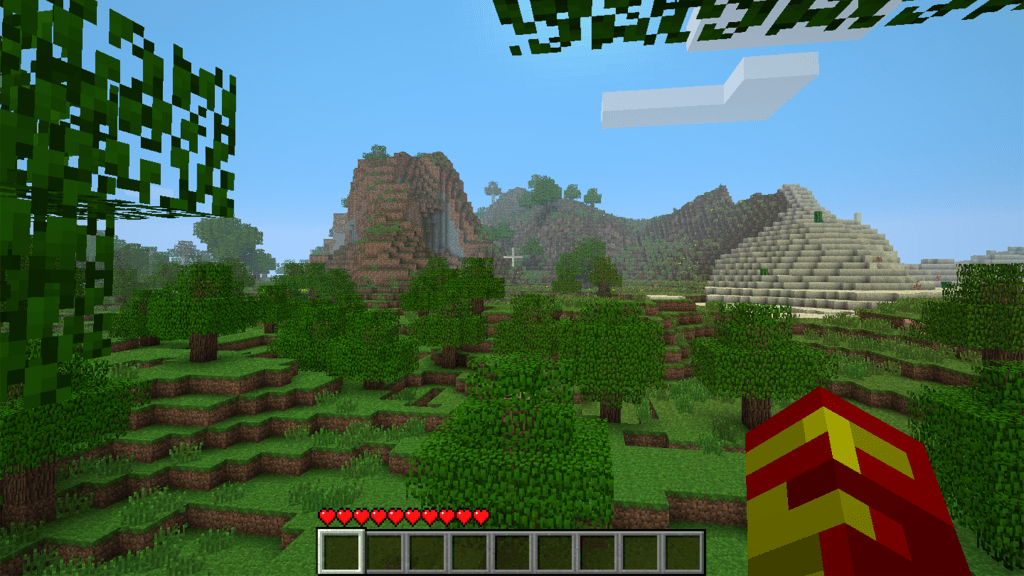
It is difficult to imagine modern gaming without Minecraft. Markus “Notch” Persson created the original version largely by himself before Mojang expanded and continued development following the game’s explosive success. Although countless developers have contributed since then, the original foundation that changed gaming forever came from one individual’s ambitious idea, and that is what makes it so impressive today.
The concept was deceptively simple. Players entered a procedurally generated world built entirely from blocks and could gather resources, build structures, explore caves, and survive hostile creatures. That freedom became the game’s greatest strength because it encouraged creativity instead of prescribing a single way to play.
Watching Minecraft evolve over the years has been remarkable. What began as a relatively modest sandbox has grown into one of the best-selling games of all time while inspiring educational programs, massive multiplayer servers, elaborate redstone engineering projects, and countless creators on YouTube and Twitch. Few games have ever matched its cultural impact, and there is no doubt that Minecraft has one of the strongest legacies in gaming.
1) Stardew Valley
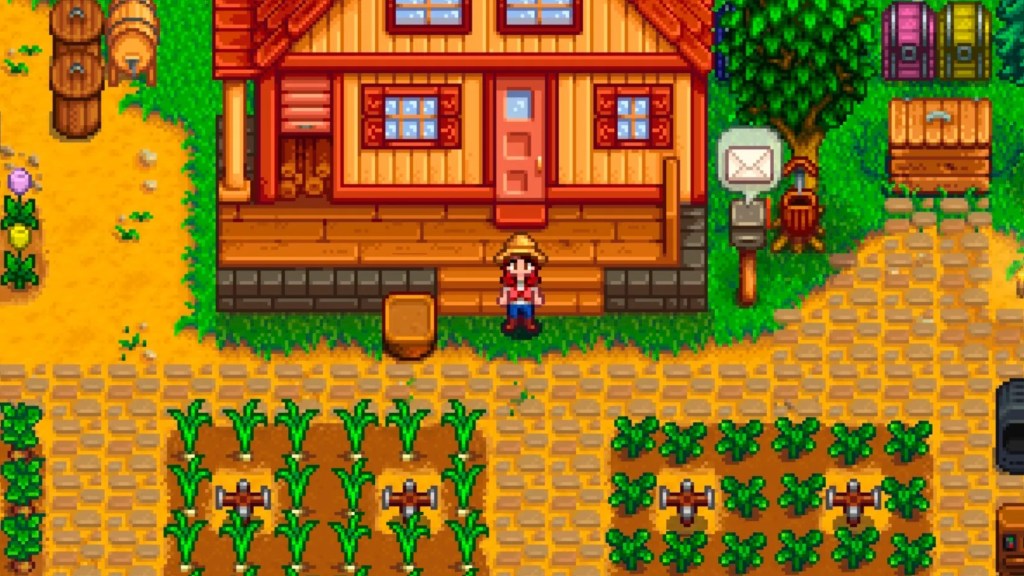
Eric Barone, better known as ConcernedApe, spent more than four years creating Stardew Valley almost entirely by himself. He developed the programming, pixel art, music, writing, and design while teaching himself many of those skills during production. When the farming simulation launched in 2016, it quickly became one of the biggest independent success stories in gaming history. Now, nearly every farming simulator released draws inspiration from it.
What makes Stardew Valley even more impressive is that it continues to grow nearly a decade later. Despite announcing Haunted Chocolatier as his next project, ConcernedApe has continued supporting Stardew Valley with substantial free updates that add new content, features, quality of life improvements, and additional ways to enjoy Pelican Town. Few developers remain so committed to a completed game for this long.
That dedication is one reason Stardew Valley stands above every other game on this list. It was already one of the greatest farming simulations ever created, but its ongoing support has only strengthened its reputation. Every major update feels like a gift to the community rather than an obligation, and that relationship between developer and players has become almost as beloved as the game itself. It proves that one passionate creator can build not only an extraordinary game but also a lasting legacy that continues to flourish years after release.
What do you think? Leave a comment below and join the conversation now in the ComicBook Forum!
More Gaming
-

Image Courtesy of Electronic Arts -

Image Courtesy of Rockstar Games