Nintendo has been making home video game consoles for decades, helping to develop the industry into the powerhouse it is today. Over the years, Nintendo has released 14 main handheld and home consoles, and we’ve ranked them all in one list. To do so, we considered the console’s game library, its impact on the industry, and its popularity during its heyday. We excluded Game & Watch, Color TV-Game, The Pokémon Mini, and Japanese-exclusive consoles, so no Famicom either. Ranking these was challenging, as we all love the consoles we grew up playing, and being as old as I am, my favorite will always be the NES. Still, the approach here was objectivity, and this is how all of Nintendo’s main consoles stack up.
Videos by ComicBook.com
14) Virtual Boy
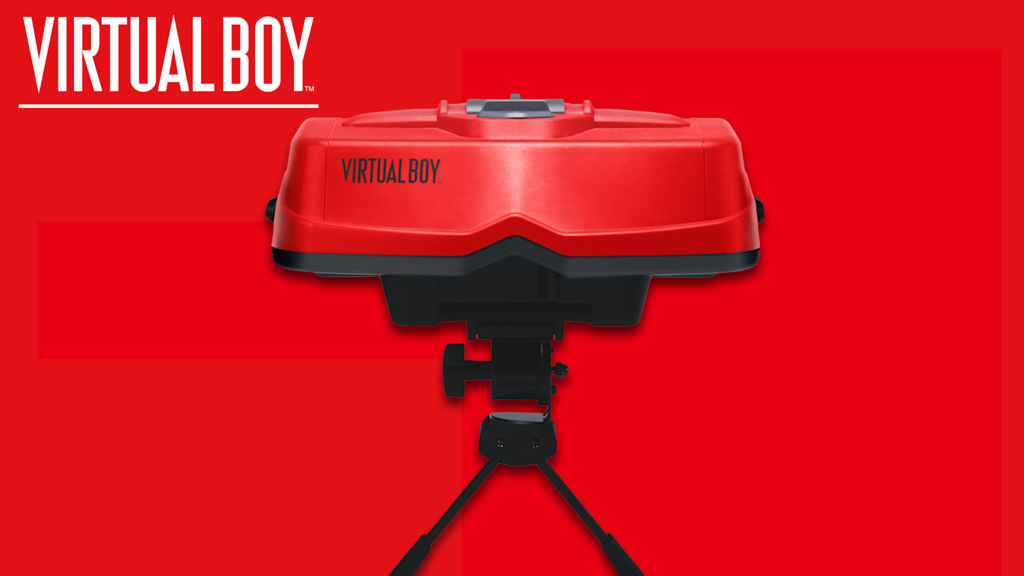
Of all Nintendo’s consoles, the Virtual Boy is considered the worst by most fans (and probably Nintendo). Its development was stymied in favor of the Nintendo 64, and only 22 games were released before Nintendo pulled the plug. On paper, it was a great idea — creating stereoscopic 3D graphics for an immersive gameplay experience. In practice, it was a migraine-inducing nightmare that caused eye strain, dizziness, and other adverse health effects. That’s not something anyone wants out of a Nintendo console, and it failed spectacularly. The Virtual Boy was only on the market for a year, selling 770,000 units. It’s not only the worst Nintendo console, but it’s also the worst-selling, though Nintendo recently made its games available on its online marketplace alongside a new peripheral.
13) Wii U
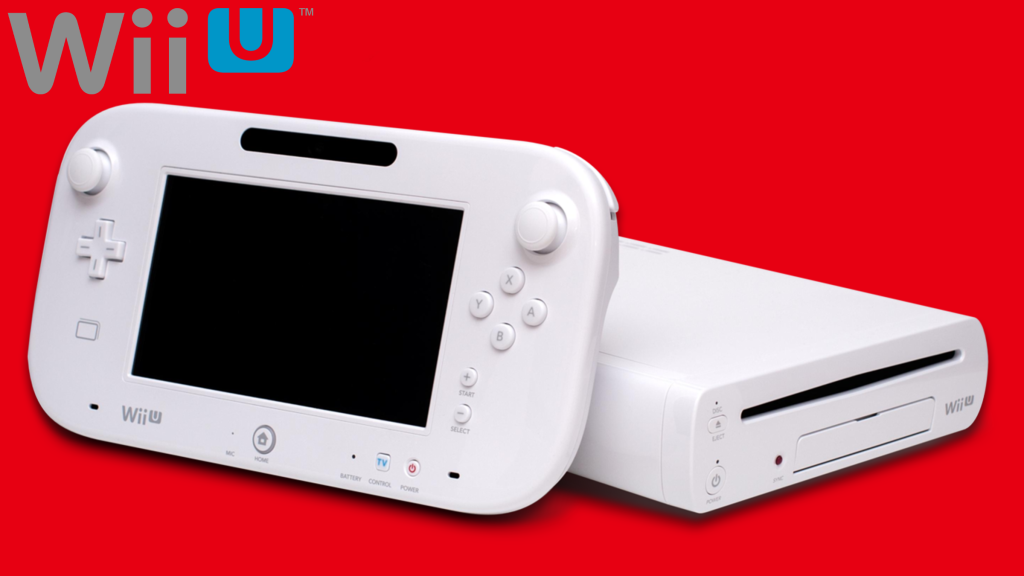
The Wii U was Nintendo’s next step in the Wii lineup, innovating by making its primary controller a touchscreen tablet. This was a big move and a clear step in the right direction, as the Nintendo Switch would prove years later, but it wasn’t well-received by fans. While it offered backward compatibility and innovative tech, the GamePad’s interface, hardware performance, and limited battery life make it less desirable than the Wii. It was a commercial failure, selling only 13.5 million units. While it had some decent games, there weren’t many at launch, the Wii U had limited third-party support, and the public largely stayed away.
12) Game Boy Color
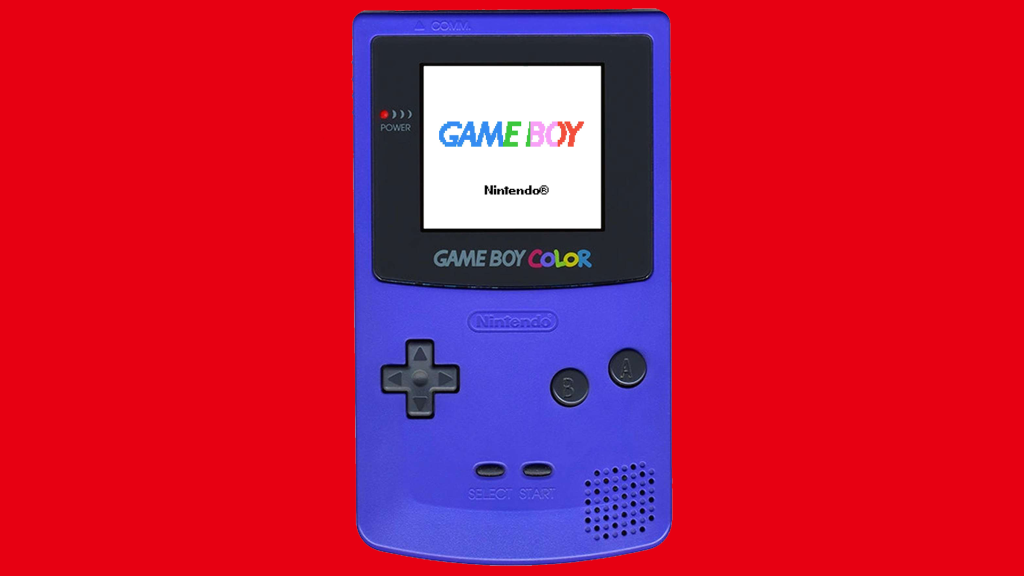
Nintendo obliterated the handheld competition with the Game Boy despite its monochrome screen, but in 1998, the company released a follow-up, the Game Boy Color. Instead of a monochrome display, it featured a color TFT screen alongside a faster CPU. It also boasted more memory and was backward compatible with Game Boy games. The system was an incredible success despite a shorter battery lifespan than its predecessor’s, largely thanks to its screen. It’s probably best remembered for Pokémon Gold and Silver, though that’s only one of many excellent games in its library. It’s unclear how many units were sold, as Nintendo lumps its Game Boy and Game Boy Color sales together. Regardless, it’s a great handheld and a technological step towards those that would follow.
11) Nintendo Switch 2

Before you jump to the comments and point out Nintendo Switch 2’s massive sales achievements, take a moment to consider its game library. As of writing, the Switch 2 has been out for eight months, and while it’s smashed sales figures to smithereens, the system lacks many original games. Right now, its library primarily consists of Nintendo Switch games and upgrades to the Switch 2’s hardware. The lack of launch titles is why it lands here, though if this article were written a year from now, it would likely jump much higher. While the Switch 2 has more capabilities than any previous Nintendo console and it will certainly prove itself in time, we’ll have to wait for it to build up a library of original games, which is precisely what Nintendo is doing.
10) Game Boy Advance
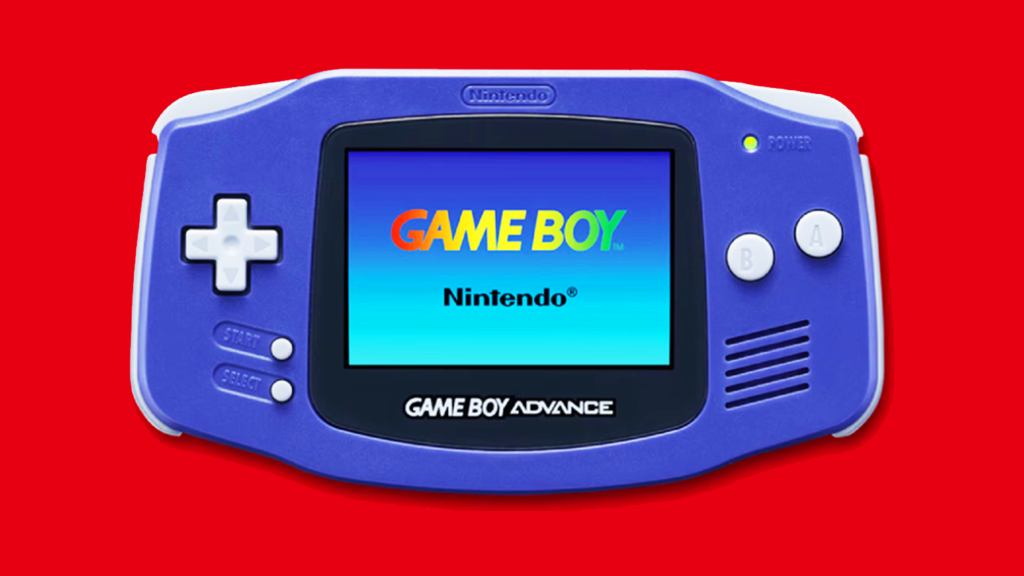
Nintendo continued to evolve its handheld consoles, making them faster and more capable. The Game Boy Advance is the first major improvement over the Game Boy and Game Boy Color. Both of those systems were 8-bit, while the GBA featured a 32-bit processor; it was capable of displaying more pixels and colors, and it dominated the market, as the competition was lackluster. Nintendo hit the GBA with an excellent library of games, including Pokémon Ruby and Sapphire, Mario Kart: Super Circuit, and The Legend of Zelda: A Link to the Past, to name a few. Nintendo sold more than 81.5 million units of various versions, and it remains an excellent console 25+ years after its release.
9) Nintendo 3DS
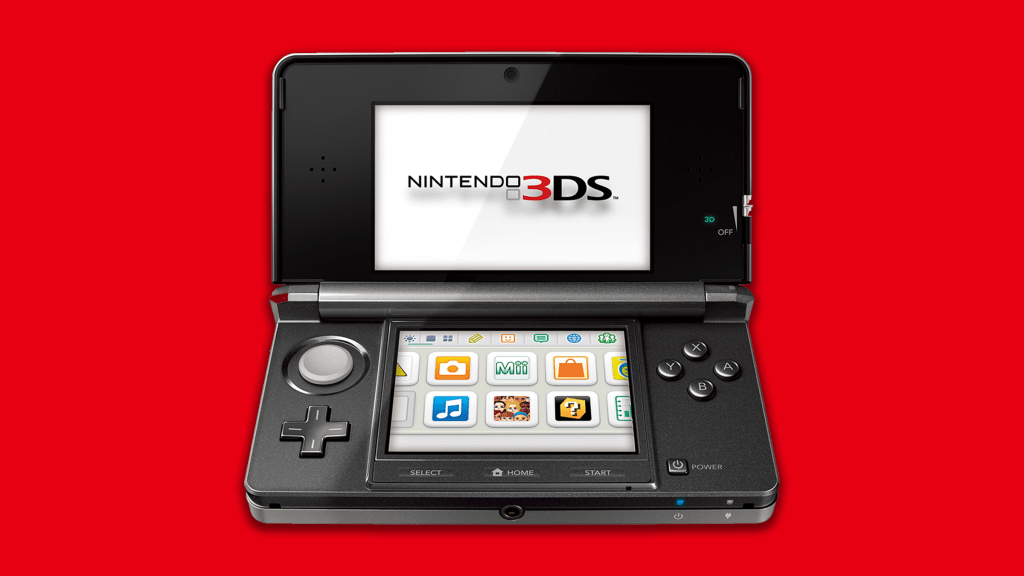
The Nintendo 3DS launched in 2011 and did something nobody thought possible: display 3D games without special glasses. This was accomplished through autostereoscopy, a process that projects an image to each eye. While this gave some folks headaches and eye strain, a slider enabled it to be turned off or on, or adjusted to a comfortable position. There were many different models of the 3DS released over the years, and all told, they sold more than 75 million units. It featured excellent online capabilities and a great library, including hits like Animal Crossing: New Leaf, Fire Emblem: Awakening, The Legend of Zelda: Ocarina of Time 3D, Metroid: Samus Returns, Pokémon X and Y, and many more.
8) Wii
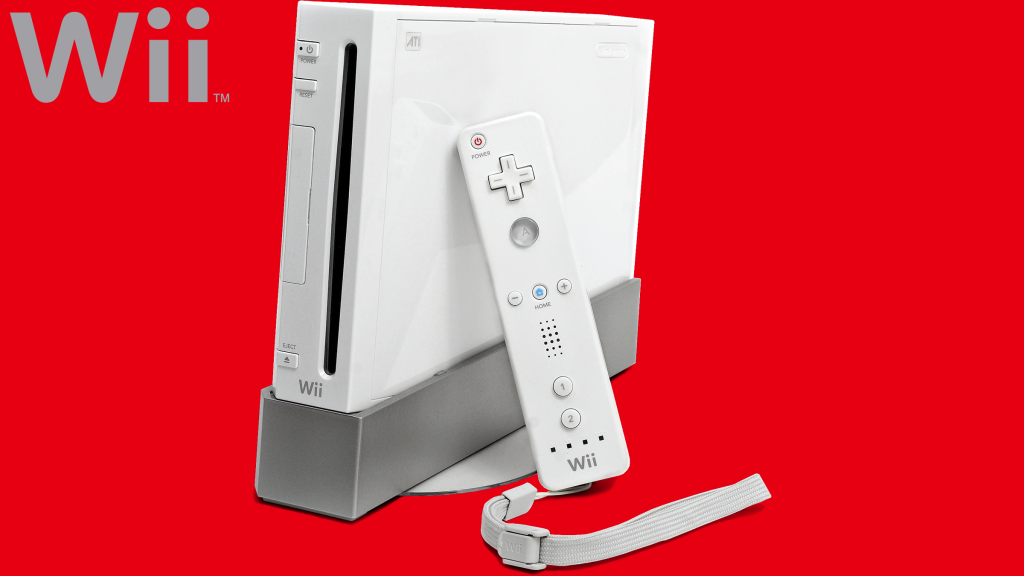
The Wii was probably Nintendo’s best home video game console at bringing in new players. Thanks to a brilliant marketing campaign, the system was touted as something the whole family could enjoy. While motion controls were nothing new, the Wii maximized their effectiveness, improving on the technology to create a whole new revolution of the concept. This forced Nintendo’s competitors to follow suit, but the Microsoft Kinect and PlayStation Move failed to match the Wii’s capabilities. The system was an amazing success, selling more than 101 million units worldwide. It featured some impressive titles, including Super Mario Galaxy, The Legend of Zelda: Twilight Princess, Super Smash Bros. Brawl, and other popular games like Wii Sports.
7) Nintendo DS
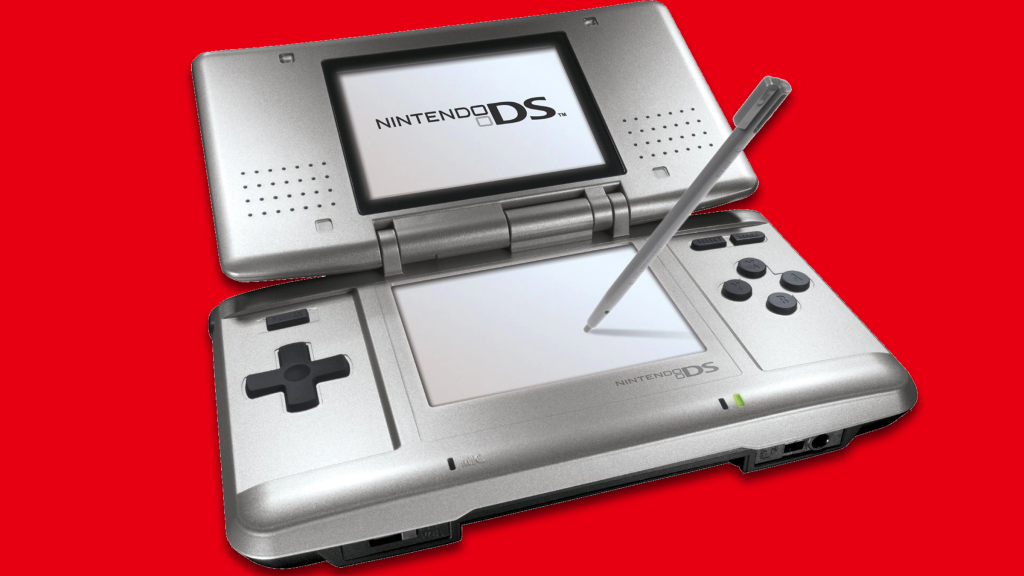
Before Nintendo created the 3DS, its predecessor, the Nintendo DS, effectively established its form factor. The NDS’ clamshell design featured two screens, with the bottom one a touchscreen. This was an evolution of the Game Boy Advance SP and mirrored older Nintendo designs. The system featured wireless connectivity and online play, which was hard to find in 2004. The NDS sold more than 154 million units of various models (of which there were several), and it featured an incredible lineup of games, including Grand Theft Auto: Chinatown Wars, Chrono Trigger, Mario Kart DS, Mario & Luigi: Bowser’s Inside Story, New Super Mario Bros., and many more.
6) GameCube
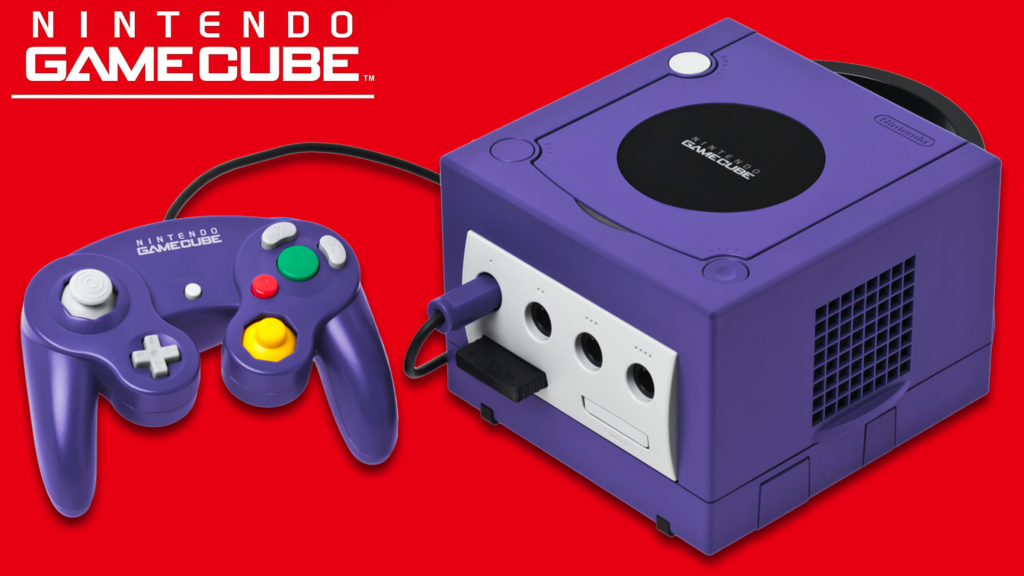
The GameCube was Nintendo’s successor to the Nintendo 64, and it’s the first Nintendo console to utilize an optical drive, eschewing the long-used cartridges of old. It featured connectivity with the Game Boy Advance and other hardware, and some of its games featured online capabilities. While it wasn’t Nintendo’s greatest seller, with just over 21.5 million units sold, the GameCube gets 6th place on this list for its exclusive game library. Some of Nintendo’s best games came out on the system, including The Legend of Zelda: The Wind Walker, Metroid Prime, Resident Evil 4, Super Smash Bros. Melee, and Paper Mario: The Thousand-Year Door.
5) Nintendo 64
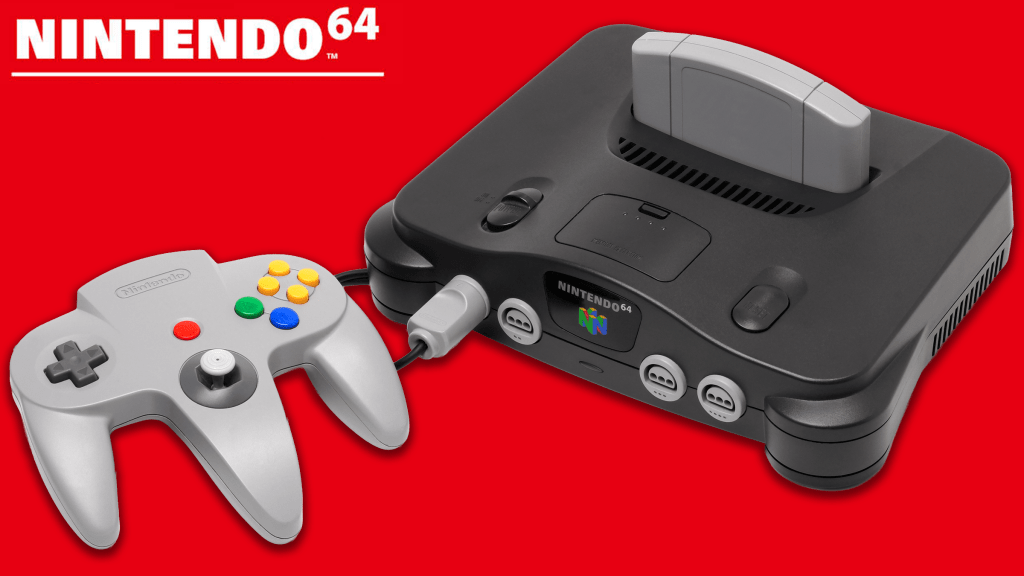
The Nintendo 64 came about following a failed project with Sony that ultimately led to the PlayStation. Despite this, the N64, released in 1996 as the successor to the Super Nintendo, and is the last Nintendo console to rely on cartridges. The system’s name comes from its 64-bit processor, which enabled it to produce higher-quality 3D images than previous systems. It had excellent features and sold well, moving more than 32 million units. The reason it’s in the #5 slot is due to its games and their impact on the industry. The Nintendo 64’s game library features some incredible entries, including The Legend of Zelda: Ocarina of Time, GoldenEye 007, Super Mario 64, Paper Mario, Star Fox 64, Super Smash Bros., and so many more that listing them would take up the whole screen.
4) Game Boy
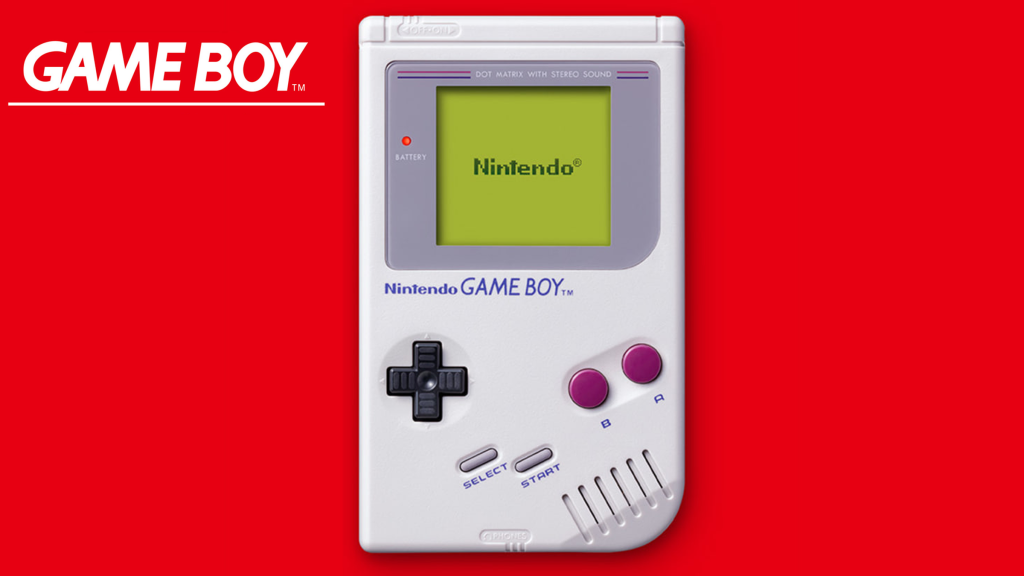
The Game Boy may not be the most technologically impressive handheld console, and it was comparatively less advanced than the competition when it was released in 1989. It lacked a color screen, but this was a conscious decision, as color screens chewed through batteries like crazy, as anyone who played the Atari Lynx or Sega Game Gear knows all too well. The Game Boy was a massive success, as it was the first truly portable console with interchangeable cartridges and an excellent library. Some of its best titles include The Legend of Zelda: Link’s Awakening, Pokémon Red/Blue/Yellow, Super Mario Land 2: Six Golden Coins, Final Fantasy Adventure, and many more.
3) Nintendo Entertainment System
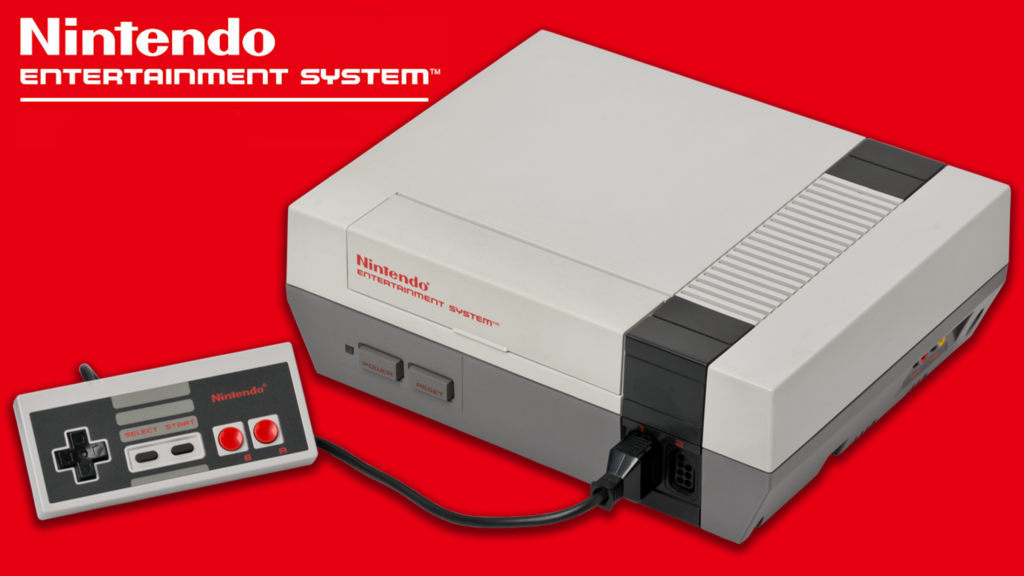
It is not hyperbolic to say that the Nintendo Entertainment System saved the video game industry. When it was released in 1985, it revived the industry after the Video Game Crash of 1983. The system was a massive success, establishing Nintendo as the company to beat and the home of the industry’s best console games. The NES wasn’t the only console of its kind at the time, as it competed with several systems, but it was the clear market leader. The NES library includes some of the best games and franchises ever created, including The Legend of Zelda, Super Mario Bros., Contra, Metroid, Ninja Gaiden, Castlevania, Mega Man, and many others that continue to this day.
2) Nintendo Switch

When Nintendo released the Nintendo Switch in 2017, it was the culmination of decades of innovation packed into a single console. The system is a hybrid handheld and home console that brings together concepts from previous systems like the Wii and Nintendo DS. This wasn’t only innovative, it completely dominated the industry. Several models have been released since the first one arrived, and combined, Nintendo sold more than 155 million units. The Switch is home to some excellent games, including The Legend of Zelda: Breath of the Wild, Super Mario Odyssey, The Legend of Zelda: Tears of the Kingdom, Metroid Prime Remastered, Portal: Companion Collection, and many others.
1) Super Nintendo Entertainment System
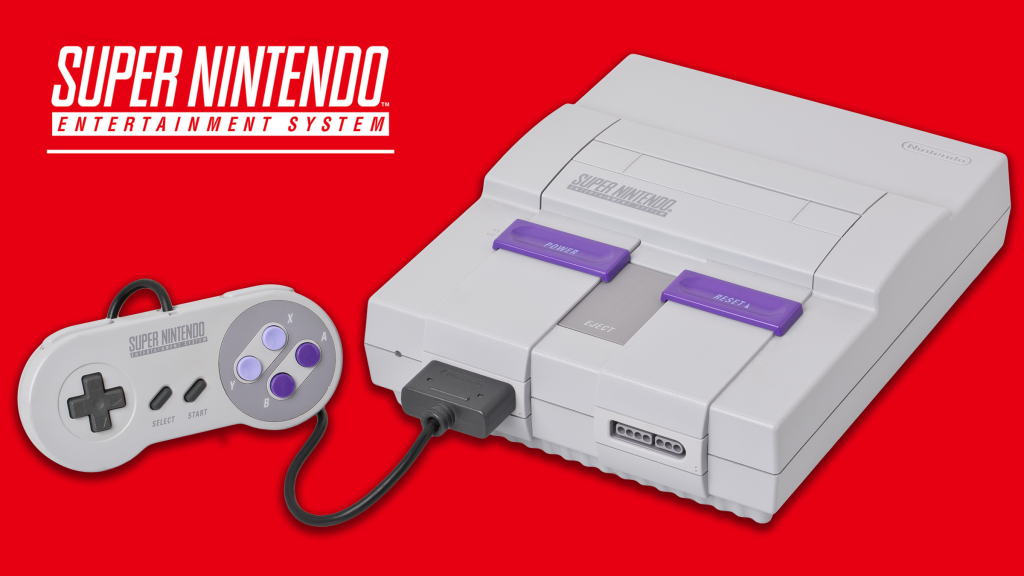
Finding the right system to take the top spot in Nintendo’s console lineup was a challenge, but in the end, the Super Nintendo Entertainment System took #1. The SNES took everything that worked on the NES and improved it considerably. It’s Nintendo’s first 16-bit system, which competed with the Sega Genesis to become the leading console well into the 32-bit era. Nintendo sold close to 50 million SNES consoles during its life, and it innovated in various ways, particularly with gameplay mechanics in some of Nintendo’s best titles. These include Super Mario World, Donkey Kong Country, The Legend of Zelda: A Link to the Past, Star Fox, Final Fantasy VI, Dragon Quest VI, Chrono Trigger, Super Mario RPG, Super Metroid, and way too many more to count.
What’s your all-time favorite Nintendo console? Leave a comment below and join the conversation now in the ComicBook Forum!
Most Viewed
-

Image Courtesy of Studio Bones -

Image Courtesy of Science SARU