As of 2025, there have been a total of nine video game console generations, beginning in 1972. That’s the year the world got its first commercial home console, the Magnavox Odyssey, and since then, each successive generation has brought several sizable innovations. Most generations are technological leaps and bounds above the ones that preceded them, and that trend continues today with exponential progress each time a company releases its next-generation console. While each console generation featured multiple innovations in this regard, we’ve selected the most important and outlined them below.
Videos by ComicBook.com
1) Home Video Games
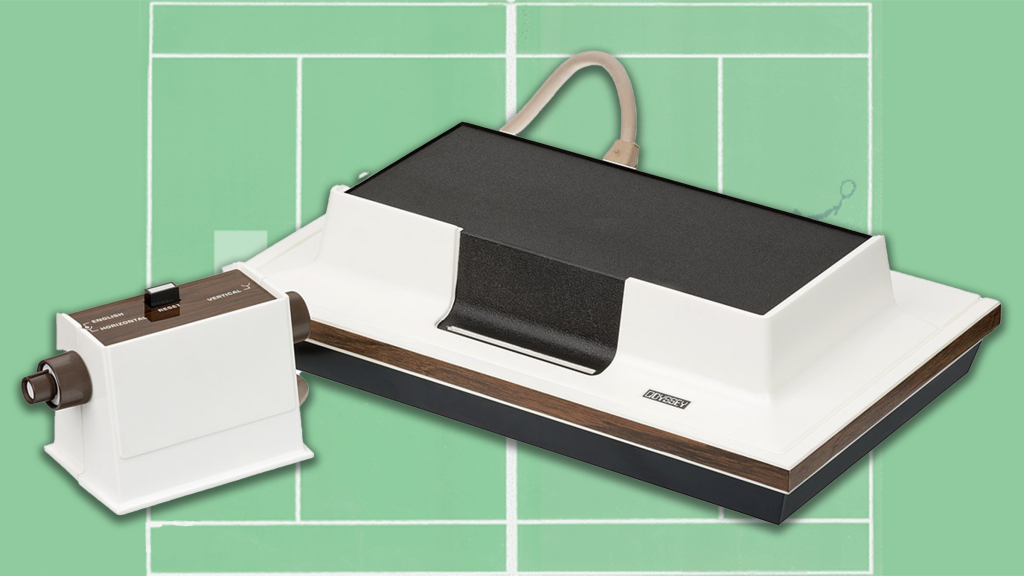
1st Gen: Atari Pong | Coleco Telstar | Magnavox Odyssey
The first generation of home consoles included custom-printed circuit boards, so it wasn’t possible to swap out your games. This was the era filled with Pong clones and other early home systems. Atari created Pong after seeing the ping-pong game on the Magnavox Odyssey, which had a significant influence on popular culture. Toward the end of the first generation, systems like the Coleco Telstar arrived, offering slightly better graphics capabilities, though these systems were incredibly limited. Still, they proved that home video game consoles were commercially successful products, helping to establish the industry on solid ground in the 1970s.
2) Swappable Games
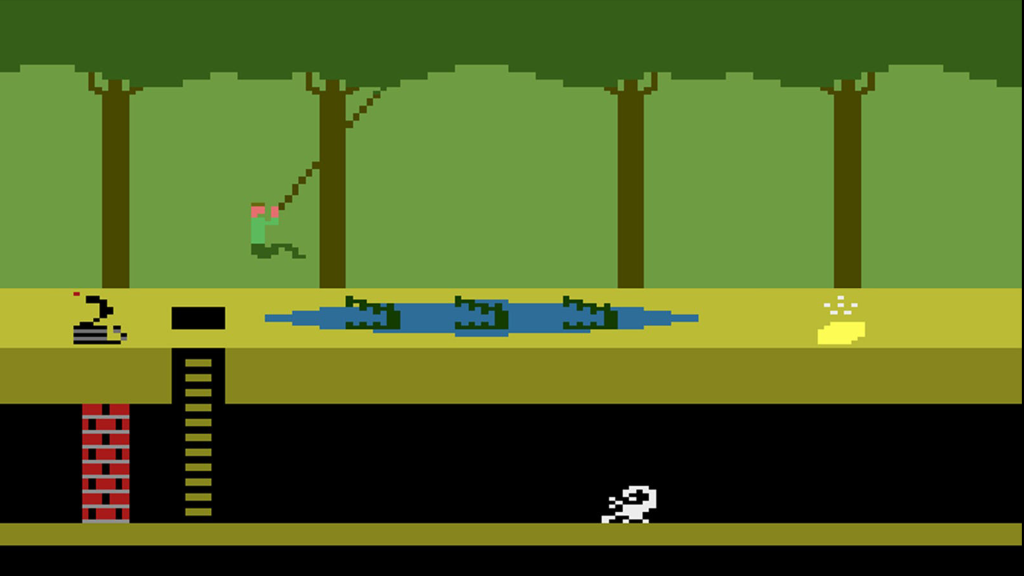
2nd Gen: Atari 2600 | Channel F | ColecoVision | Intellivision | Magnavox Odyssey 2
When the second console generation rolled around in 1976, it offered something entirely new: game cartridges. These small devices were invented by Jerry Lawson in ‘76, and they completely changed the industry. Players could now purchase a system that wasn’t limited to only a handful of built-in games. Instead, they could build up a vast library of titles and play them as they desired. From this one innovation, the market exploded, but it also brought problems. An overabundance of terrible games led to the Video Game Crash of 1983, which almost killed the industry.

3) Video Game Franchises & The Console War
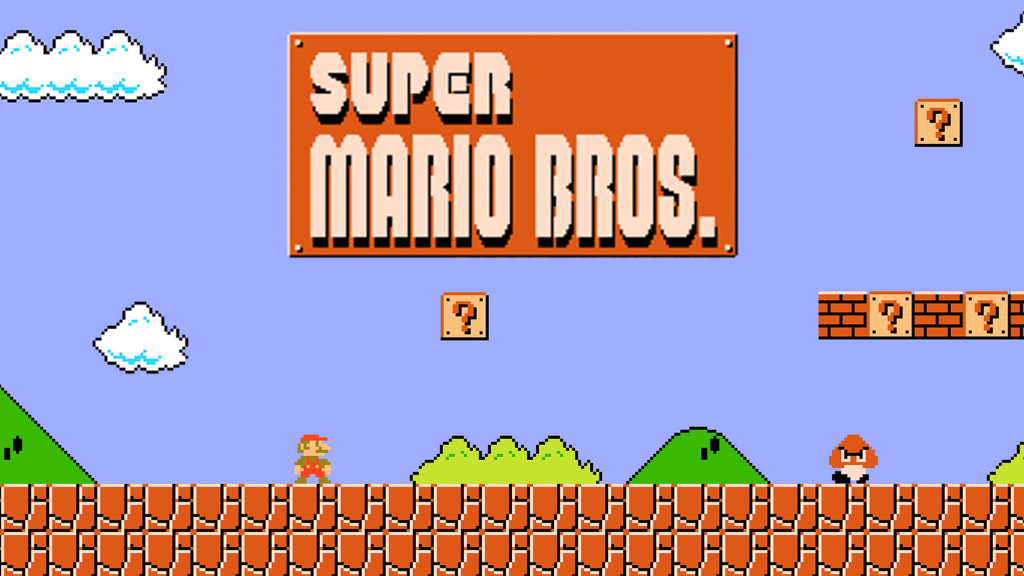
3rd Gen: Atari 7800 | Nintendo Entertainment System | Sega Master System
The third generation brought numerous technological innovations, introducing 8-bit systems that were significantly more advanced than anything that preceded them. The Video Game Crash of ‘83 nearly killed the industry. Still, it was the Nintendo Entertainment System and its use of Mario, one of the first commercially successful home video game mascots, that righted the ship. Nintendo’s success helped broaden the landscape, leading other companies to enter the market. Sega’s first home console sold outside Japan, the Master System, was an early competitor that helped establish the Video Game Console Wars, which drove innovation through competition.
4) 16-Bit Graphics
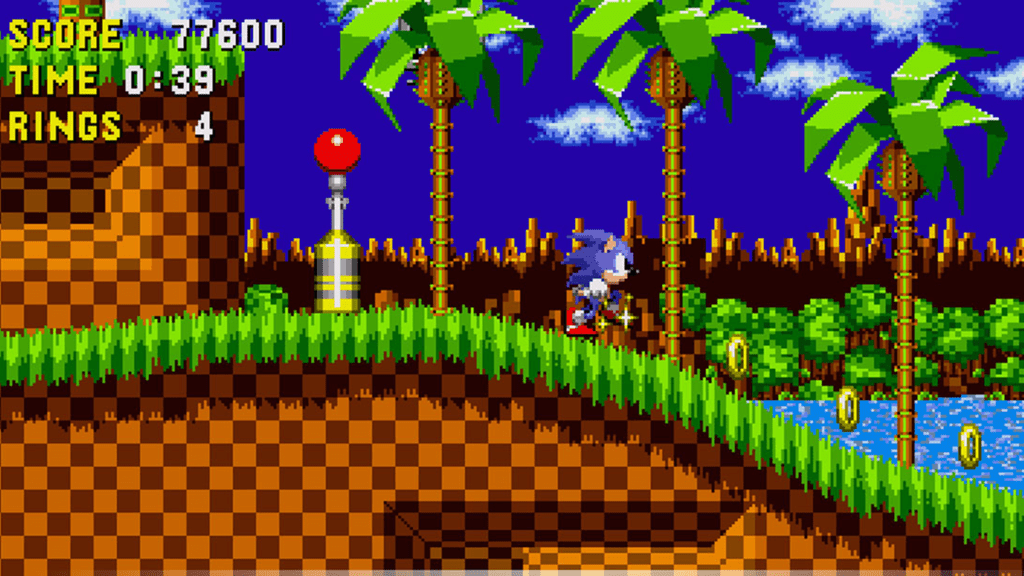
4th Gen: TurboGrafx-16 | Genesis | NeoGeo | Super Nintendo Entertainment System
The fourth generation represented a major technological leap in graphics, sound, and memory capacity. It brought an end to the 8-bit era, replacing it with 16-bit on a variety of systems. The biggest contenders were the Super Nintendo and Sega Genesis, still going strong during the console wars, but they weren’t alone. NEC’s TurboGrafx-16 and SNK’s NeoGeo were technologically superior in many respects, though they had minimal success in North America due to their high price tags. Regardless, the generation brought the world new franchises like Sonic the Hedgehog and plenty of expansion for Nintendo. The generation’s systems remained popular from 1987 until 2004.
5) 3D Graphics
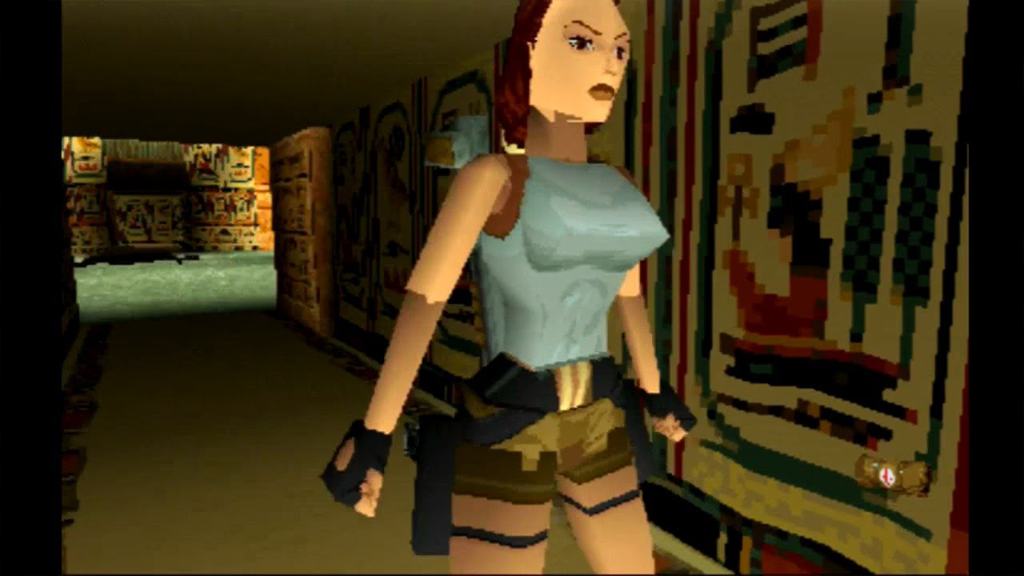
5th Gen: 3DO | Jaguar | PlayStation | Nintendo 64
The fifth generation represented yet another significant technological leap forward with the introduction of 32-bit systems. It marked Sony’s entry into the Console War with the launch of the PlayStation. Also, while Nintendo continued to stick with cartridges with the Nintendo 64, other companies adopted CD-ROMs, which could hold significantly more data. This enabled better animations, improved video, superior sound, and greater gaming possibilities. It also saw the widespread inclusion of 3D graphics for the first time. It was around this time that Atari’s consoles waned significantly, leaving Nintendo, Sega, and Sony as the only leading contenders for market dominance.
6) Online Multiplayer
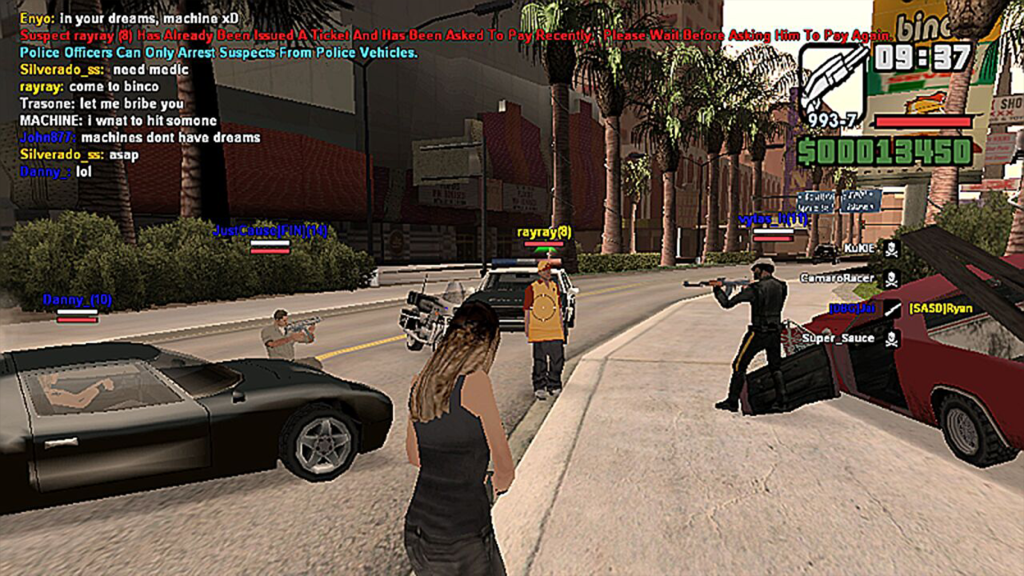
6th Gen: GameCube | Dreamcast | PlayStation 2 | Xbox
It took time for gaming to catch up with online options, which were limited until the sixth console generation. While several systems entered the era with this in mind, including the Sega Dreamcast, which sported its own modem, it was the PlayStation 2 that drove the online multiplayer train. As online gameplay became more popular, gaming studios oriented programming to support it, leading to a large number of games that took advantage. Reduced Dreamcast adoption led Sega to abandon its hardware goals, leaving Sony, Nintendo, and Microsoft with its inaugural system, the Xbox, in the Console War, and the generation’s online innovations continued through to 2013.
7) HD and Motion Controls

7th Gen: PlayStation 3 | Wii | Xbox 360
The most significant innovation to arrive in the seventh console generation was high-definition video support and motion controls. The latter was likely the most impressive, and while motion controls weren’t entirely new, it was Nintendo’s Wii that made them commercially successful on a massive scale. The Wii helped solidify Nintendo as the “family-friendly” console, offering lighthearted gaming experiences the whole family could enjoy. While the PlayStation 3 and Xbox 360 dominated with HD gaming and improved online capabilities, the Wii was the easy victor of the 7th generation. Microsoft attempted to follow suit with the Kinect, but it was seen as a gimmick that didn’t measure up to what Nintendo had perfected.
8) Powerful Hardware and VR
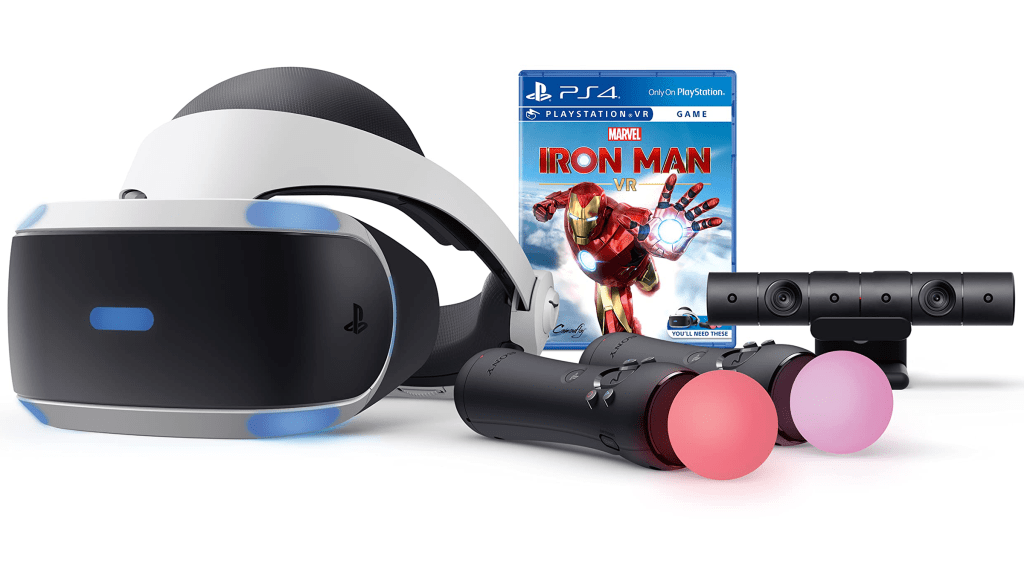
8th Gen: Nintendo Switch | PlayStation 4 | WiiU | Xbox One
The major companies released updated systems during the eighth console generation, and many were powerful, including the PlayStation 4. While these brought hardware innovations, it was the commercial success of virtual reality that truly set the generation apart. PlayStation VR was an early entry, though it was hardly the only one, and VR systems have expanded in recent years. Another introduction during this generation was 4K gaming and more advanced internet service options. Microsoft attempted to market the Xbox One as a multimedia console, but gamers preferred a dedicated gaming system.
9) Haptic Feedback
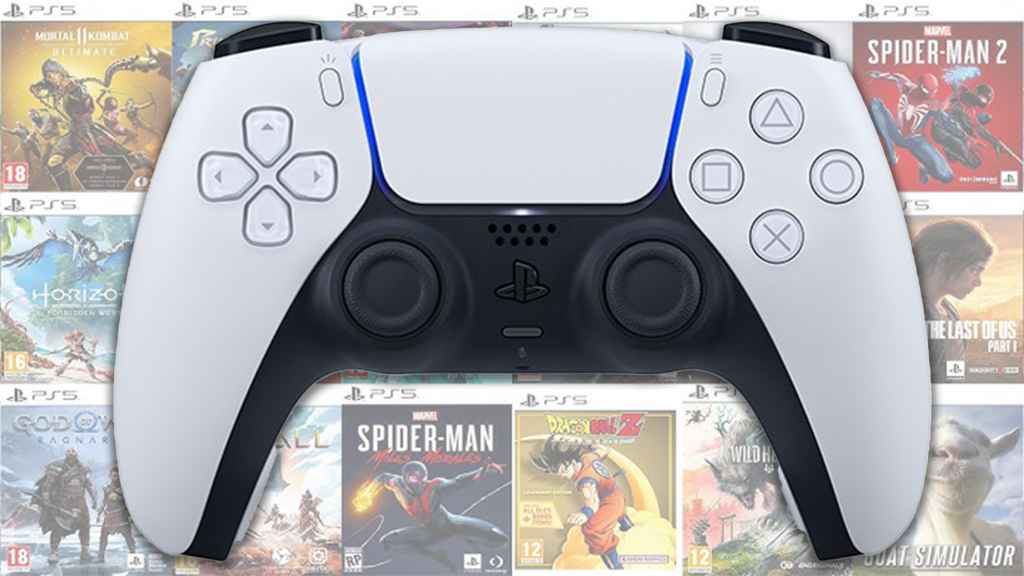
9th Gen: Nintendo Switch | PlayStation 5 | Xbox Series X|S
The ninth generation is the one we’re in as of writing, and it features the most powerful video game consoles ever produced. In many ways, modern consoles are high-end computers designed solely for entertainment, and they’ve got the features to back that up. One of the biggest innovations was the introduction of haptic feedback in controllers, which Sony pioneered with the PlayStation 5. This allows for nuanced control, handling modified trigger pulls, complex vibration, and more. This allows for more immersive gameplay, and it’s something that will likely become commonplace as consoles continue to evolve.
10th Gen: What the Future Console Generation Could Bring
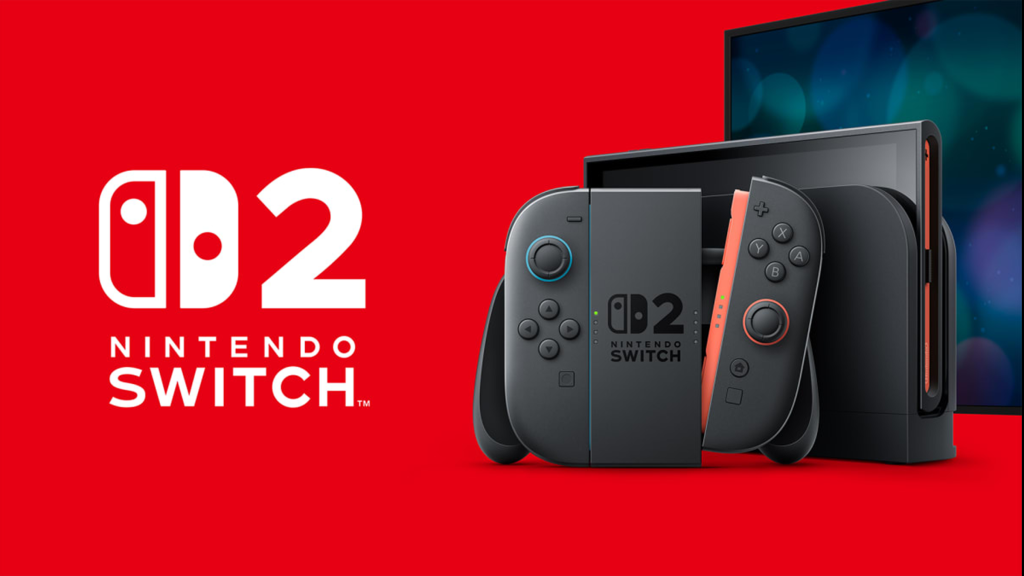
10th Gen: Nintendo Switch 2 | PlayStation 6 | Xbox ???
While there’s no consensus as of writing when the tenth generation will begin, some in the industry point to the introduction of the Nintendo Switch 2 in 2025 as the transition point. While the console is a significant upgrade from its predecessor, its innovations were already achieved by the prior generation. That leaves the future PlayStation and Xbox as the next likely candidates to usher in the tenth generation. It’s unclear what innovations these will bring, but rumors abound on the Internet suggesting they will feature significantly faster processors, enabling full 4K resolution at 120 FPS. Of course, only time will tell, and until they come out, we can enjoy the Switch 2 and its excellent game library.
Which console generation is your favorite? Leave a comment below and join the conversation now in the ComicBook Forum!
More Gaming
-

Courtesy of Microsoft, Ubisoft, Valve, and Santa Monica



![Ace Combat 8: Wings Of Theve Is A Soaring Success For Bandai Namco [Review]](https://comicbook.com/wp-content/uploads/sites/4/2026/09/Ace-Combat-8-Wings-of-Theve-Review.jpg?w=300)