GameStop used to be one of the biggest names in gaming, with its seemingly countless retail locations making it a one-stop shop for many gamers. However, the years have not been kind to the company, with a greater emphasis on digital gaming and a shift away from physical media having a clear impact on the corporation. While it still remains the single largest gaming retailer in the world, challenges in the current environment have severely impacted the company and its holdings.
Videos by ComicBook.com
This includes many of their physical locations, which have frequently come under fire over the years for their treatment of workers and targeted sales efforts to bring in more customers. Now, the company’s latest announcement suggests that the negative trends are continuing for the company, despite its best efforts to turn things around with special events. In fact, this might be a true portent that GameStop’s time, at least in its current form, is increasingly limited.
GameStop Is Closing Nearly 500 More Stores Across The United States

GameStop has formally announced that it will be closing hundreds of stores across the United States, further reducing the number of open locations following multiple other culls. As of this writing, the GS Closing blog (which tracks GameStops that have shuttered their doors for good) reports that 470 GameStop locations have been closed or have been confirmed to be closing by the end of January. This follows 400 store closures in 2025 and 590 in 2024.
Even GameStops outside of the United States are being shut down, with the company selling off subsidiaries in Europe and shuttering stores in countries like Austria, Ireland, and New Zealand. A major reason for this seems to stem from the company’s struggles in recent years, which have only grown more pronounced as digital marketplaces become the standard home for gamers across mobile platforms, consoles, and PC gaming. There are roughly 3,200 GameStop stores globally at the time of writing, a major drop since the height of the company’s influence in 2015, when it could boast over 6,000 stores worldwide.
GameStop Has Been Slowly Dying For A Decade
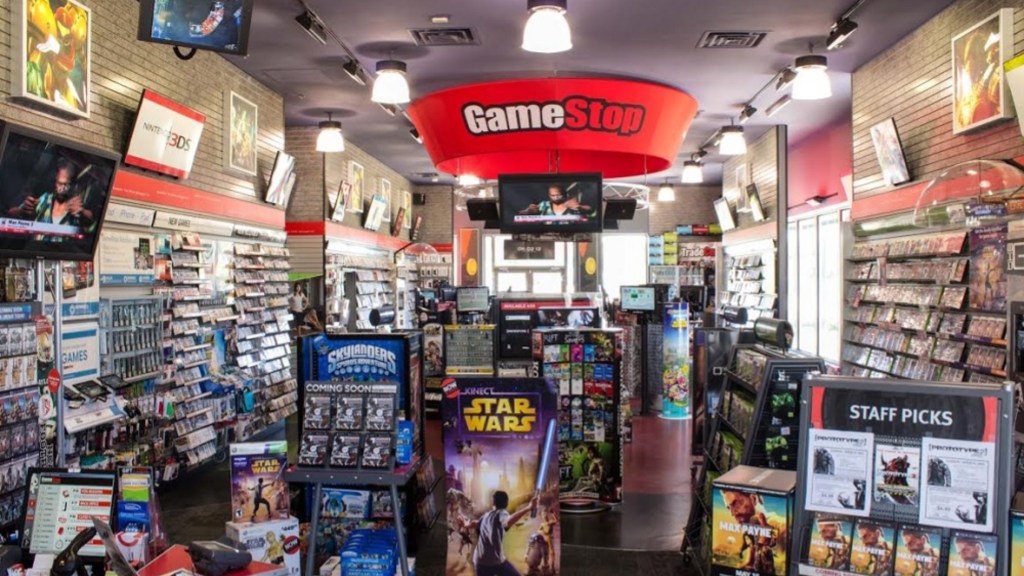
Things have been rough for GameStop for a while, with the company’s shares dropping severely in 2016 and only continuing to tumble further since. As gamers have largely moved away from physical media, GameStop has struggled to make itself stand out in the marketplace. Their investment in Spring Mobile was a flop, leaving them $800 million in debt in 2018. Attempts to find a buyer the following year fell through, with the company increasingly reporting net losses in the years since. Attempts to lean further into other niche markets, such as increased emphasis on trading card games and collectibles, have also failed to make much of an impression.
Things only got harder for the company after 2021 briefly saw their value skyrocket in the stock market due to a short-lived short squeeze. Since then, there have been several management changes and different investments in everything from NFTs to Bitcoin. The fact that the company is closing even more stores at the top of the year — nearly 500 of the roughly 2,300 that were still open last year — suggests that big swings like their “Trade Anything” day in December of last year did little to stem the bleeding. Rumors are now swirling that there will be further closures this year, along with several locations rebranding to focus more on their tabletop and collectible offerings.
It’s a far cry from GameStop’s heights, when it was considered the primary hub for gamers. However, as with many other facets of retail shopping that became increasingly redundant in an era of easy digital shopping, GameStop has gone from a fixture of the industry to a company that is seemingly winding down by closing nearly a fifth of its remaining physical locations. Seeing GameSpot collapse to this extent has been a painful lesson in the unintended costs of technological advancement in the gaming industry and a reminder to plenty of companies that growth and evolution have to be crucial focus points in an ever-evolving industry.
Most Viewed
-

Image Courtesy of Netflix -

Courtesy of Crunchyroll -

Courtesy of Eight-Bit -

Image courtesy of Marvel Studios -

Courtesy of SuperGiant Games -

Image Courtesy of Marvel Comics