The role of open worlds in gaming has undergone a significant shift over the past decade. Games are larger than ever, boasting massive environments and countless places to go, yet far too often they fail to capture the density of said locations. A big world has a lot of stuff in it. Instead of these big worlds that feel alive, though, we’re left with barren landscapes dotted with copy-pasted tasks and repetitive objectives.
Videos by ComicBook.com
For a franchise like Mass Effect, which has always been about exploring worlds and uncovering mysteries across the galaxy, this trend is especially dangerous. With Mass Effect 5 in active development, the series has an opportunity to reject the industry’s obsession with scale and return to what made the original trilogy: worlds that were smaller, yes, but dense with intricate detail. The sci-fi RPG space desperately needs that kind of pivot; otherwise, it risks diving into the pile of open-world RPGs that failed to leave a mark.
The Fallout of Andromeda and the Procedural Trap
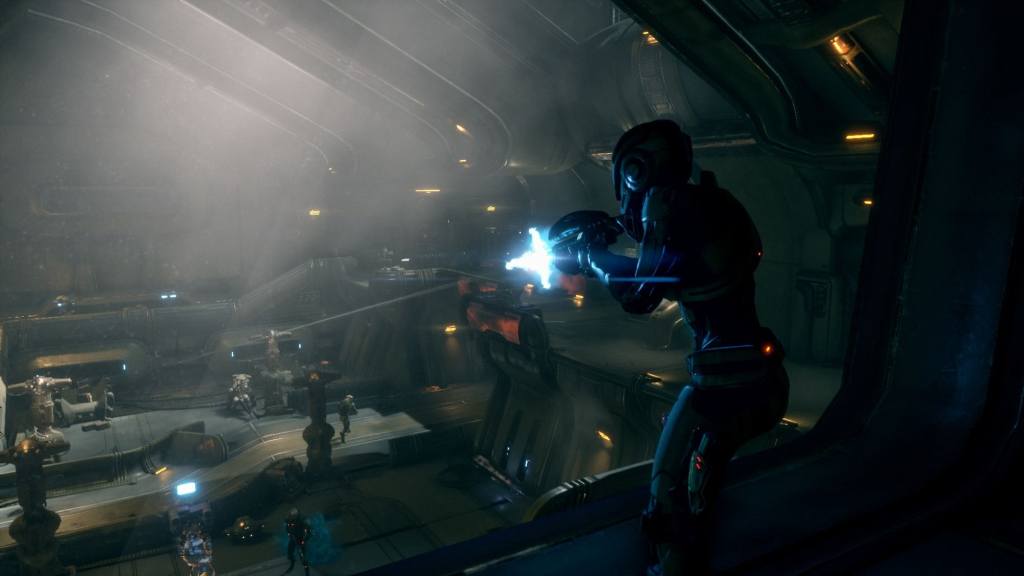
Mass Effect Andromeda, the last Mass Effect title to release, serves as a cautionary tale for what happens when a series built on narrative and carefully crafted environments tries to stretch itself too thin and too large at the same time. While it wasn’t a horrible game, it had a ton of problems. Instead of tightly designed hubs brimming with life, Andromeda delivered vast planets filled with long stretches of nothing and a whole lot of bugs to go with them. Sure, there were resources to collect and outposts to establish, but the heart of what made Mass Effect special, you know, tight, purposeful storytelling and meaningful character interaction, often got buried under the weight of its open-world ambitions.
Andromeda’s planets were simply too big for their own good, and the end result blatantly showed that. While they looked impressive on the surface, many felt shallow once you spent more than a genuine hour or two on them. Driving across their wide expanses showcased the problem: there were long stretches of emptiness with very little to do. When points of interest did appear, they often fell into repetitive patterns, leaning heavily on “clear out the enemies here” or “scan this area” rather than presenting players with something that felt impactful. The promise of new worlds full of potential collapsed into maps that resembled an Ubisoft-style checklist rather than adventures worth losing yourself in. We’ve already seen what happens when a developer makes a true open-world experience, and Mass Effect 5 needs to follow suit, or it’s going to struggle.

This problem isn’t unique to Mass Effect, though. Starfield infamously highlighted how procedural generation, if not handled with extreme care, can make exploration feel completely soulless. Bethesda’s latest sci-fi RPG promised thousands of planets, but the reality was far less exciting and hilariously disappointing. Many of these so-called planets lacked a distinctive identity, and while procedural generation provided breadth, it failed to deliver depth where it mattered most. Starfield was one of the most hyped of titles of the decade. The promise of thrilling excursions into uncharted, alien territory that developer Bethesda glorified prior to release felt more like wandering through randomly shuffled landscapes. It was one of the largest buzz kill moments in gaming history, and to this day, many remain extremely disappointed by the end result. The experience underscored the dangers of prioritizing size over substance.
When it comes to sci-fi RPGs, it’s easy to understand why procedural generation is tempting to use. After all, space is infinite, and what better way to generate infinity than with the tool designed to do it? But infinity is boring when every destination feels interchangeable; when not enough parameters are entered to be convincing to your average player. Mass Effect 5 has to learn from these lessons, especially if it plans to use procedural generation in any capacity. Instead of scattering countless boring points of interest across a galactic sandbox, BioWare should return to the principles that made the trilogy strong: smaller, hand-crafted areas rich in storytelling and character moments, if they cannot get a handle on and properly use the tool.
Quality Over Quantity in the Next Frontier
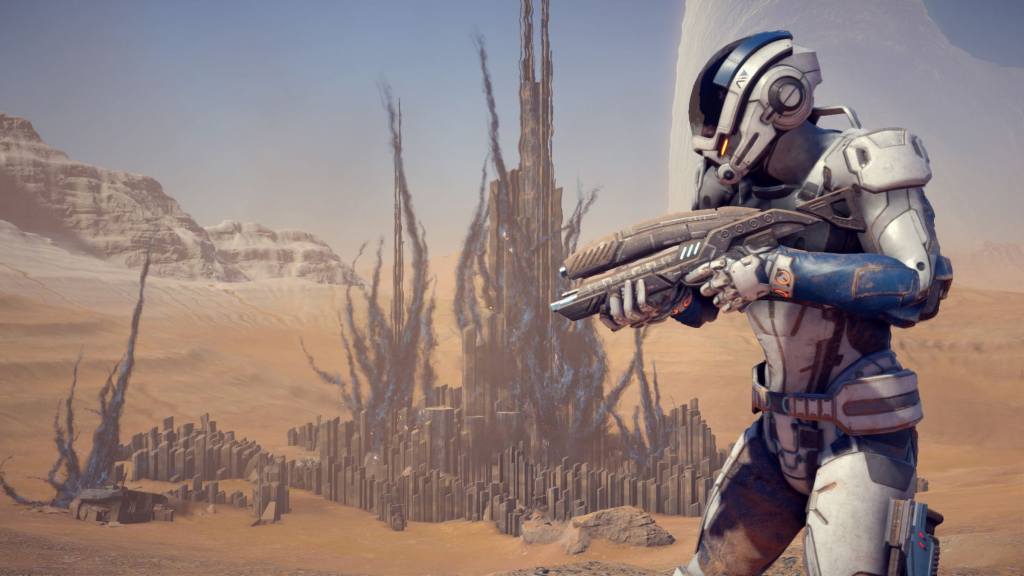
The future of Mass Effect really depends on BioWare resisting the urge to chase size over substance. Players do not want another galaxy filled with empty expanses. What they want is variety and personality in the worlds they explore. The original Mass Effect trilogy struck a balance that has rarely been matched. The Citadel remains one of the most iconic hubs in RPG history, not because of its scale, but because of the characters, quests, and storylines that filled its corridors.
That is what Mass Effect 5 needs to emulate. Instead of giving us 50 planets that blur together, give us five or six full of real content to explore. Populate them with characters who matter, conflicts that feel worth resolving, and secrets that reward curiosity. A single memorable questline can leave more impact than a hundred copy-paste skirmishes. The Urn of Sacred Ashes remains one of BioWare’s most memorable questlines in Dragon Age: Origins, and that game released all the way back in 2009. Players are no longer dazzled by the size of the map; they are hungry for impact.
Ubisoft’s “checklist” design philosophy of climbing towers to reveal icons and completing copy-paste objectives to clear a map has seeped too deeply into too many RPGs. It creates the illusion of activity, but it is foolishly lazy and generally uninteresting. The design philosophy has become so infamous that it has gotten its own tag line. Mass Effect, with its emphasis on narrative and personal choices, can break free of that formula. The franchise has always been at its best when every planet visit feels like a chapter in an unfolding story, not a side activity that could be skipped without consequence.
If Mass Effect 5 delivers handcrafted planets that brim with meaningful encounters, it could reset expectations for what a sci-fi RPG should be. Right now, a lot hinges on the game’s sucuess for BioWare, so instead of feeding into the industry’s obsession with procedural bloat, it could carve a new path that values depth over distance. Players don’t want a hollow sandbox in space. They want to feel like every world they touch matters, that every expedition uncovers something worth remembering.
Most Viewed
-

Images courtesy of TriStar Pictures and Warner Bros. Pictures