In the late 1980s, the Nintendo Entertainment System was home to countless titles that shaped the future of gaming. From platformers like Super Mario Bros. to dungeon-crawling action-adventure games like The Legend of Zelda, the NES was where many series were born. However, 38 years ago, on this day, one game in particular was released, and though it was divisive at the time, it helped plant the seeds for what would become one of the biggest genres in gaming. It would take over a decade for the term to officially see usage, but this game paved the way for the Metroidvania genre.
Videos by ComicBook.com
Konami released this game-changing title in Japan on August 28th, 1987, and it wouldn’t be released in the United States for another year on November 24th, 1988. It had a profound effect on the industry thanks to its side-scrolling action that blended platforming, exploration, RPG elements, and nonlinear progression. Along with Nintendo’s Metroid, which was released the year prior, Castlevania II: Simon’s Quest gave rise to a formula that developers still draw inspiration from today.
Castlevania II: Simon’s Quest: An Experiment Ahead of Its Time
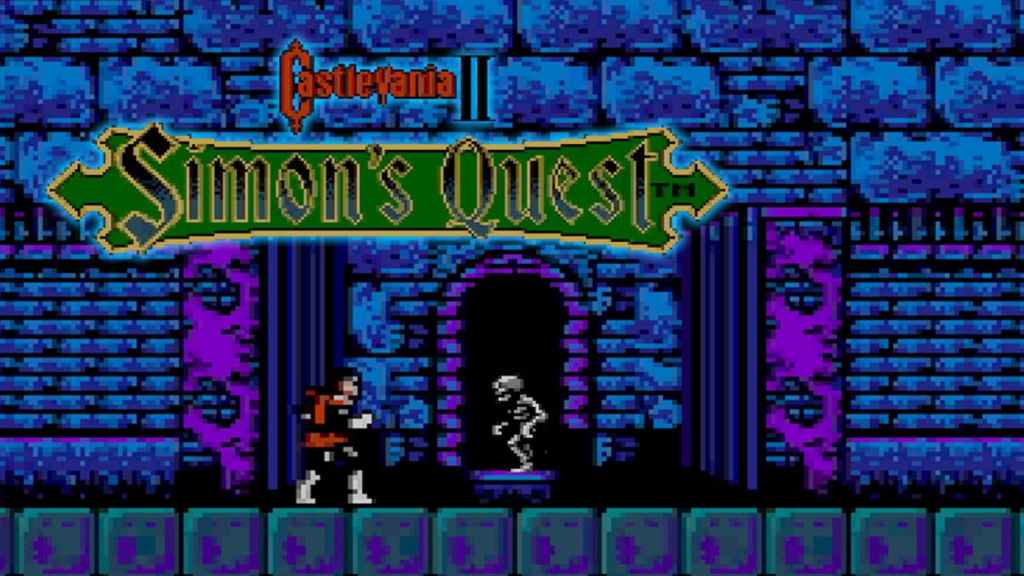
Castlevania II: Simon’s Quest was a significant improvement over the original Castlevania. The series’s first game was a straightforward gothic action-platformer. Players traversed linear levels as Simon Belmont until confronting Dracula at the end of the game. It was known for its punishing, difficult, and traditional structure.
With the sequel, Konami took bold risks and experimented with Castlevania II: Simon’s Quest. It ditched the rigid stages and delivered an interconnected world of towns, forests, mansions, and dungeons. Players could freely explore, often backtracking to gather Dracula’s body parts and lift the curse afflicting Simon. Konami added new features, an in-game day-and-night cycle, cryptic NPC dialogue, purchasable items, and multiple endings not found in platformer games.

For many, this was frustrating. For others, it was fascinating, and this led to its mixed reception. Often, the vague clues and sometimes misleading translations left players stuck. Players were forced to experiment or rely on playground rumors from their peers to progress. It blurred the line between platformer and RPG, and marked a crucial step in the creation of the Metroidvania genre.
Building the Foundation: Metroid, Castlevania, and Beyond
While Castlevania II: Simon’s Quest was experimenting with RPG mechanics, Metroid had set the stage with its vast, interconnected world. Together, these two games pioneered both halves of the formula that would become known as Metroidvanias. Atmospheric exploration, ability-based progression, RPG elements, and nonlinear world-building radically changed the side-scrolling platformer forever and gave birth to a new genre.
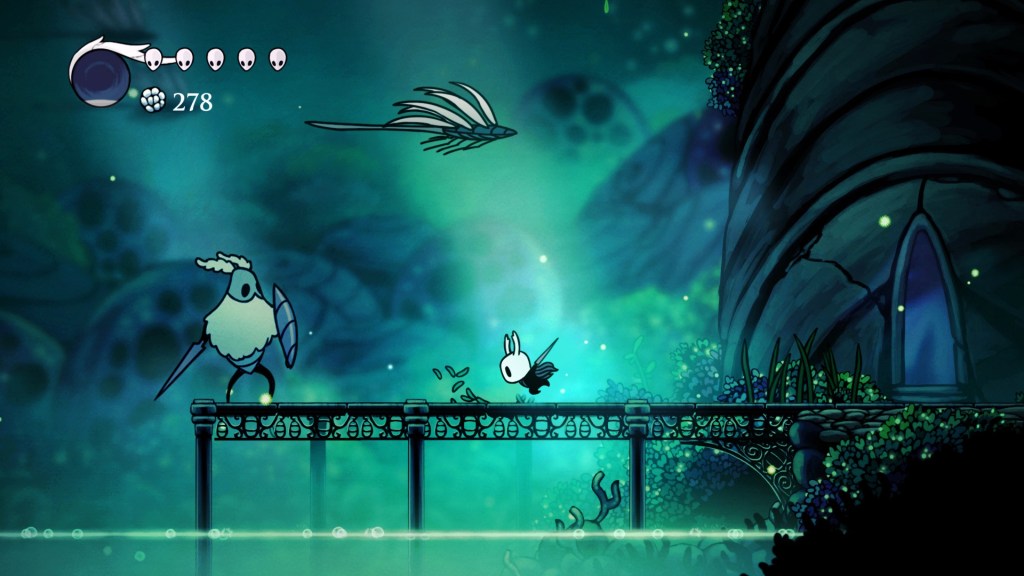
All of this would culminate in Castlevania: Symphony of the Night and Super Metroid, where this formula was refined. After these titles were released, the Metroidvania genre accepted its identity, and the foundation was laid for all future Metroidvanias. It would take time, but eventually the genre exploded into what it is today. The Castlevania and Metroid series were the founding fathers for titles like Hollow Knight, Axiom Verge, Ori and the Blind Forest, and Blasphemous.
Looking back, it is hard to imagine Castlevania II: Simon’s Quest having the impact it does. Hollow Knight: Silksong is one of the most anticipated games of all time, and it owes its heritage to Konami’s vampire hunter. What was once divisive, cryptic puzzles and opaque progression, is now celebrated as Hollow Knight: Silksong is poised to launch on September 4th.
On this day 38 years ago, Konami’s gamble led to one of the biggest genre creations. Castlevania II: Simon’s Quest did not accomplish this alone, but its contribution cannot be overlooked. It demanded patience and invited players to immerse themselves in its persistent and connected world. This is the DNA of modern Metroidvanias and can be seen across numerous titles.
The future of the Metroidvania genre looks brighter than ever. Hollow Knight: Silksong’s release marks its peak, and it’s hard to imagine where it goes after that. Metroid Prime 4: Beyond, Aeterna Lucis, and Crowsworn are just some other incredible titles on the horizon. As the genre grows, developers are experimenting even further with the formula, allowing for wonderful innovations that will keep Metroidvanias fresh. Thanks to Castlevania II: Simon’s Quest, the Metroidvania genre has grown into one of the most popular in the gaming industry and shows no signs of slowing down.
Most Viewed
-
Image Courtesy of Ufotable -

Image Courtesy of Crunchyroll -

Image Courtesy of MAPPA/Bandai Namco Pictures