Path of Exile 2 has plenty to prove as the follow-up to one of the most beloved action RPGs ever made. With a decade of player expectations and an established reputation for staggering endless complexity, the sequel faces the challenge of pushing the franchise forward while respecting what came before. Many games in the ARPG space fall back on routine, leaving their endgames as repetitive loops of the same mundane tasks, over and over. However, Path of Exile 2 is determined to break this mold by avoiding this trap, making progression itself feel like an ever-evolving adventure.
Videos by ComicBook.com
Grinding in most games can wear players down over time, but in Path of Exile 2, the process is reframed into something far more compelling. Every system, from character customization to exploration, is designed to keep the experience varied and rewarding. Replayability is not just an optional bonus tacked on after the campaign, but rather the very core of what makes its endgame shine. That foundation is immediately felt once players dive into the systems at play.
Endgame Systems That Keep Players Coming Back
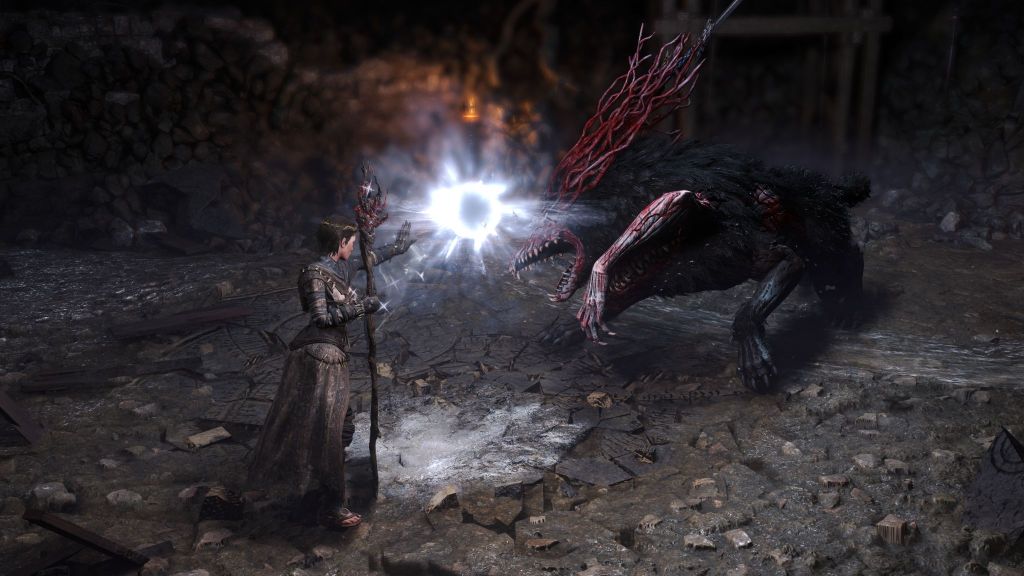
The brilliance of Path of Exile 2’s endgame begins with the wide variety of systems that feed into each other. Many ARPGs follow a formula where you finish the story and then grind a handful of dungeons or zones for better gear. This often leads to fatigue when the rewards no longer justify the repetition. Path of Exile 2 takes the opposite approach by ensuring every step of the process is layered with meaningful choice.
The depth of character building alone keeps players invested. Every run offers the chance to experiment with skills, equipment, and skill tree nodes in ways that fundamentally change how you play. Because the game rewards heavy experimentation, even a small tweak in build craft can dramatically morph the feel of combat. For example, taking one ability and pushing it into a support-heavy synergy can turn it into a devastating centerpiece for an entirely new playstyle. The best part is that this often happens when least expected, when simply trying something with a modicum of synergy becomes an anchor for a whole new build. When paired with loot that supports these experimentations, the possibilities multiply tenfold. This system encourages players not only to optimize but to enjoy the creative process itself, even if it is difficult to get into at first.
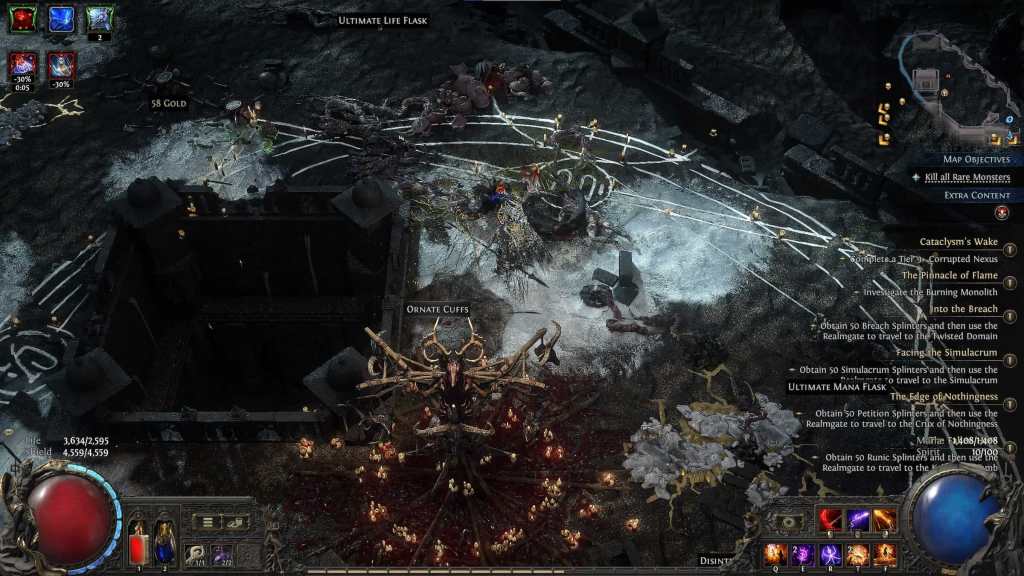
Another crucial aspect of the endgame’s longevity is how progression ties into these systems, instead of treating rewards as temporary boosts, Path of Exile 2’s endgame structures progression around permanent growth and expanding possibilities. Currency, crafting options, and access to new areas build on each other to create a sense that every session contributes to a larger goal. You are not farming an item that may or may not drop; you are advancing a personal journey that carries forward into future runs. Every step of progression becomes memorable because every step taken forward carries some level of weight. This is extremely difficult to achieve in an isometric ARPG due to the top-down perspective, but Path of Exile 2 nails it.
Seasonal content also plays a big role in this design philosophy. Rather than existing as a separate, disconnected-from-the-core track, seasonal mechanics weave throughout the game, culminating in its final form, often in the endgame. This gives players new, unique ways to test builds and explore already existing gameplay systems. Each season, therefore, feels like an extension of the core experience instead of a temporary distraction to be forgotten by the next. By encouraging interaction between seasonal mechanics and the permanent endgame, Grinding Gear Games guarantees that no two seasons feel the same, while still pushing players toward long-term mastery. The result is a seasonal mechanic that feels like it’s always been there, when you know it hasn’t, like a long branch a part of the core trunk.

Every layer of the endgame interacts with another, creating a sense of constant forward motion, a momentum that carries you forward the more you participate. You might start by experimenting with a skill combination, then move into tweaking your Atlas map choices, and finally explore new seasonal challenges you come across at random. At each stage, the game pulls you further in with rewards that feel relevant and progression that feels earned. This momentum is what keeps players returning to Path of Exile 2 long after the campaign ends.
Why Replayability is Path of Exile 2’s Biggest Strength

For any ARPG, replayability is the golden goose that determines long-term success. Lightning in a bottle. A short campaign will often be forgiven if the endgame keeps players engaged for months or even years past its runtime. Path of Exile 2 understands this better than most, and its design ensures that no single run ever feels like the last. Its replayability feels genuinely endless, which is great to experience, especially once you’ve created a build that is absolutely devastating to your enemies. It’s why the game has such a heavy focus on its endgame, long before the developmental completion of the campaign.
The key lies in how it embraces experimentation. Many games encourage efficiency, funneling players into a handful of optimal builds. Path of Exile 2 flips this expectation by making the act of discovery rewarding in itself. Even though many in the community don’t bother with the experimental portion, often flocking like ravens to the next big meta build, the presentation always offers players the choice to deviate from what’s obvious. The sheer scope of customization, paired with a progression system that always gives you something new to chase, transforms replayability into a natural byproduct of play. You return not because you feel obligated but because the game keeps you dancing.
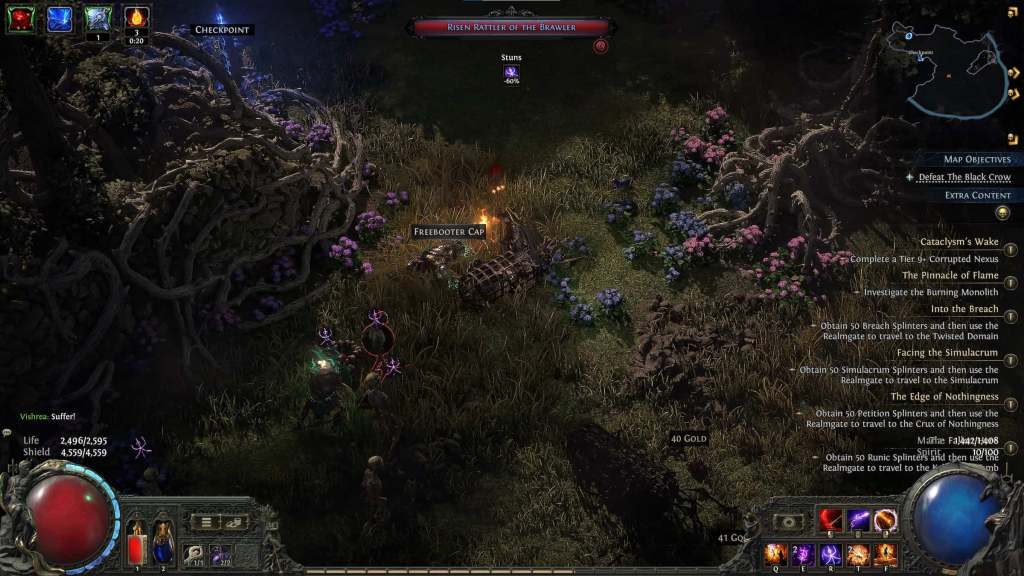
This philosophy creates a powerful loop where exploration, both in mechanics and maps, becomes addictive. You may start a new character intending to try a small variation on a past build, but by the time you have tested synergies, you have built something entirely new, often surprisingly more powerful than your last attempt. Each experiment gives you more tools and insight for the next.
Most importantly, replayability is not framed as an obligation. Too often, ARPGs lock meaningful rewards behind excessive grind, making players feel like they have to repeat content endlessly just to keep up. Path of Exile 2 avoids this pitfall by turning the grind into an exploration of systems and mechanics. Each session offers new decisions and new ways to push your character forward. Instead of repeating old steps, you are building a story unique to your run. That distinction is what makes replayability a strength rather than a burden.
The Genius of the Atlas Map

At the heart of Path of Exile 2’s endgame lies the Atlas map, a system that transforms seemingly repetitive grind into a true adventure unique only to you. The Atlas is just a collection of zones, but the way it is set up turns it into a living framework that changes based on your decisions. Each choice about where to go and what modifiers to add alters the experience in meaningful ways.
What makes the Atlas stand out is how it merges structure with freedom. Players are given a roadmap filled with possibilities, but how they engage with it determines their journey. You might pursue high-risk, high-reward encounters in one area or explore a different section for crafting materials and unique loot. Every node you select adds a layer of personality to your playthrough, ensuring no two Atlases look the same. The genius of this design is that it makes exploration itself rewarding. Instead of simply farming the same dungeon repeatedly, you are actively shaping your endgame journey. Each run across the Atlas feels like charting uncharted territory, even if you have technically visited those areas before. The modifiers and evolving challenges keep encounters fresh, while the branching paths ensure your goals guide your progress.

On top of that, the Atlas provides a sense of scale that few ARPGs manage to capture. It feels like a world unto itself, vast and filled with mysteries, rather than a menu of static dungeons. The combination of long-term progression and player-driven choices elevates it beyond a typical endgame feature into something closer to an endless adventure. The Atlas also synergizes with every other system in the endgame. Builds that shine in one section may falter in another, pushing players to adapt and evolve. Seasonal mechanics integrate into its structure, ensuring each run through the Atlas is different depending on when you play. The system never allows complacency, and that constant push toward experimentation ties directly back into the game’s core strength of replayability.
Ultimately, the Atlas map ensures that Path of Exile 2’s endgame is not a finish line but a launching point. It embodies the philosophy that grinding should never feel repetitive if it is layered with discovery and choice. By treating exploration as an evolving puzzle, the Atlas turns what could have been routine into something endlessly captivating.
What do you think? Leave a comment below and join the conversation now in the ComicBook Forum!
Most Viewed
-

Image Courtesy of Disney -

Image Courtesy of Netflix