The PlayStation 5 has been a rousing success for Sony, but questions inevitably linger about what the future holds for the publisher. The PS6 has already been formally announced, although there isn’t a clear expectation for when that console will launch. The PS5 has already exceeded the typical lifespan for a console, and it seems that it isn’t ending anytime soon.
Videos by ComicBook.com
In fact, news released ahead of Sony’s financial reports suggests that the PS5 has been outperforming expectations globally, benefiting from a reduced price tag and a strong library of titles. Coupled with changes in the marketplace and potential hardware struggles, it seems that the PS6 won’t be released for another three years, at least. It’s a big change in the console market and speaks to Sony’s current domination in modern gaming.
Why Sony Hasn’t Formally Announced A PS6 Launch Date
According to industry analysis by Sandstone Insight Japan, Sony reportedly believes that the lifecycle of the PS5 will be longer than usual — and that as a result, the PS6 will be delayed until after 2028. The next console from Sony was already a few years away, with no firm release date set for the PS6. There are two major factors at play here that highlight why Sony would lean towards this direction and continue to focus on the PS5 instead of rushing production on a new console. The most obvious reason (and the one bolstered by Sony’s recent strong sales) is that the PS5 has been a major success for the company. While the Switch 2 had one of the most successful console launches of all time, the semi-mobile Nintendo device feels less like direct competition for the PS5 and more like a different beast altogether.
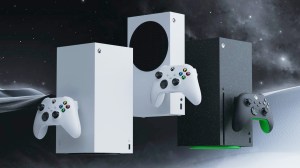
By comparison, the Xbox Series X/S, which was directly competing with the PS5 as the primary source for home gaming, has suffered from lackluster sales. It’s reached the point where Xbox has been releasing previously exclusive titles on the PS5, where those games receive far more attention. On top of that, games for the PS5 (both first-party and third-party titles) did well for the company, with the holiday season proving to be a strong period for the publisher. As such, the PS5 is still clearly a good source of revenue. However, another reality might be playing into Sony’s decisions: There’s been a global RAM shortage in recent years, which could impact the number of consoles Sony can quickly produce. Even though Sony’s confirmed plans with TSMC suggest that APU manufacture for PS6 hardware is still very much set to pick up in 2027, that wouldn’t necessarily extend to RAM selection, which could be limited. On top of global tariffs that would only increase the price of a new console, Sony might see more value in maintaining their current lead.
PlayStation 5 Has Plenty Of Life Left
Across the history of console gaming, each generation typically lasts five to six years. In this period, the major publishers can be expected to release and support a console, all while enhancing the tech and preparing for the next launch. By that metric, Sony should have been prepared for the follow-up to the PS5, which debuted on the worldwide market in 2020. However, since then, there’s been little movement in terms of the next PlayStation. In fact, the PS5 Pro sold very well in 2025, suggesting that the console still has a lot of life in it. This also notably coincides with comments from developers like Final Fantasy XIV‘s director Naoki Yoshida, who have noted that there’s not enough of a technological leap between the PS5 and the PS6 to justify another console release, instead arguing that gamers are content with the PS5.
It’s reflected in similar comments from other developers, who have noted that the modern consoles are incredibly powerful devices and that there aren’t a huge number of planned titles that couldn’t come to life on current devices. Even something like the Steam Machine, which is poised to upend the console corner of the gaming industry, primarily benefits console gamers by giving them access to the massive library of PC titles already available. For all those reasons, it makes sense why Sony isn’t in a hurry to move on to the next generation of consoles. The PS5 is still selling well and has even quietly been picking off Xbox’s successful titles to add to its own library. While it’s inevitable that a PS6 will eventually enter production (and a potential 2028 release is still very much a possibility), it speaks to this generation of consoles that the biggest advancements yet to be made in the gaming space are largely creative-centric and less dependent on the processing power of a new console.
Most Viewed
-

Image Courtesy of TOHO -

Image Courtesy of Crunchyroll -

Image courtesy of Marvel Studios -

Image Courtesy of Marvel Comics -
Image Courtesy of Good Shepard Entertainment/Sony Interactive Entertainment