Franchises that die and suddenly come back aren’t exactly a rarity. The problem is that for the plan to actually work, you need to know exactly what you’re doing; otherwise, everything collapses, and trying again only makes it worse. Fifteen years ago, Disney decided to revive one of these franchises that, compared to several others Hollywood has seen, was never a box-office giant, but survived because it had personality. You know that kind of movie you rewatch more for the vibe than the story? That was exactly it. Announcing its return felt almost improbable, especially because the original film came straight out of the ’80s. Still, it made sense. Nostalgia was starting to trend in the early 2010s, futuristic aesthetics were gaining traction, and there was an audience ready for something different from the studio’s usual blockbusters.
Videos by ComicBook.com
Overall, it looked like the perfect moment to reactivate a universe that had always existed on the margins. So when the film finally hit theaters, it did reasonably well. But in the end, it became underrated and more adored by those who were genuinely fans of the saga.
Tron: Legacy Is One of Disney’s Most Underrated Movies
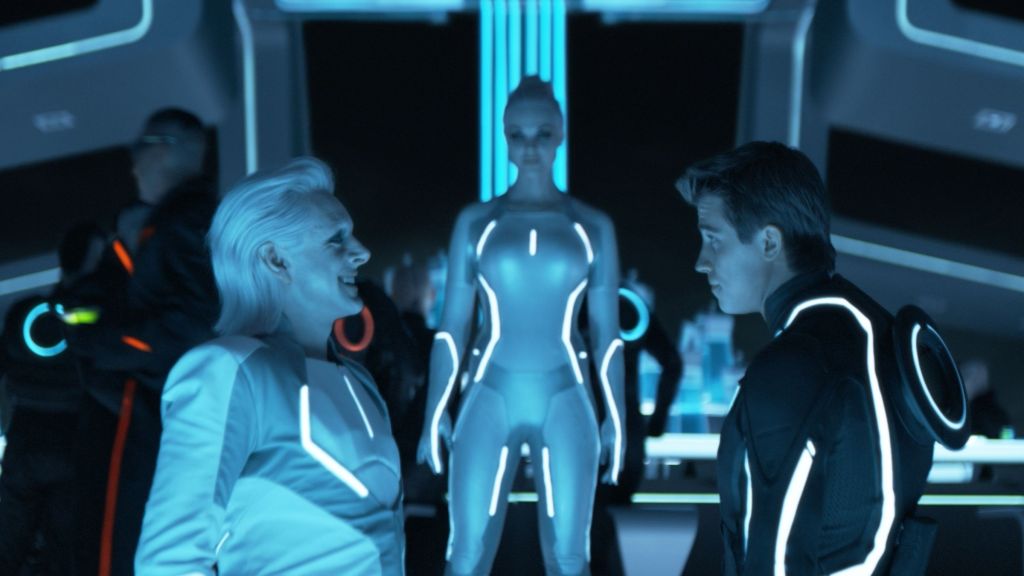
Tron: Legacy took the digital concept of the original movie and translated it into a modern sci-fi full of neon, light cycles, and a Daft Punk score that practically carried the film by the hand. The story follows Sam Flynn (Garrett Hedlund), son of Kevin (Jeff Bridges), the Grid’s creator, who goes looking for his missing father and ends up trapped inside the system. It’s not revolutionary, but it gets the job done and, more importantly, looks great doing it. The film didn’t turn into a global phenomenon, but it found a loyal audience (beyond the existing fans) precisely because it was a weird, specific sci-fi that wasn’t ashamed to be that way. To this day, many people consider it the best entry in the franchise. It was the kind of project Disney rarely makes: auteur-driven, cold, visually bold, and completely different from what dominated cinemas in 2010.
On the other hand, critics were split. The movie wasn’t a flop, but the complaints came from the gap between its aesthetic ambition and narrative simplicity. The two just didn’t walk together. While visually the movie felt like a technological leap (especially with the CGI de-aging of Bridges and the immersive 3D inside the Grid), the script didn’t match the same impact, and many pointed out that the characters weren’t as deep as they could’ve been. But over time, that same “coldness” became part of its charm. The movie’s identity never tried to be universal; it fully embraces itself as a production built around atmosphere, world-building, and aesthetics before emotion. That’s why it’s not for general audiences — and it never pretended to be. But for the right crowd, everything hits just right.

Plus, if Legacy is considered a modern cult today, it’s largely because of the creative care behind its visual and sound design. The look of the Grid, the illuminated suits, and the geometric environments felt crafted to turn the film into a sensory experience, almost like watching a Daft Punk visual album with a story attached. And yes, it works extremely well. The score essentially defines the movie’s tone: it sets the pace, elevates the action, and adds emotional weight to moments that, on paper, might not seem that impactful. This fusion of sound and image is what made Legacy stand out.
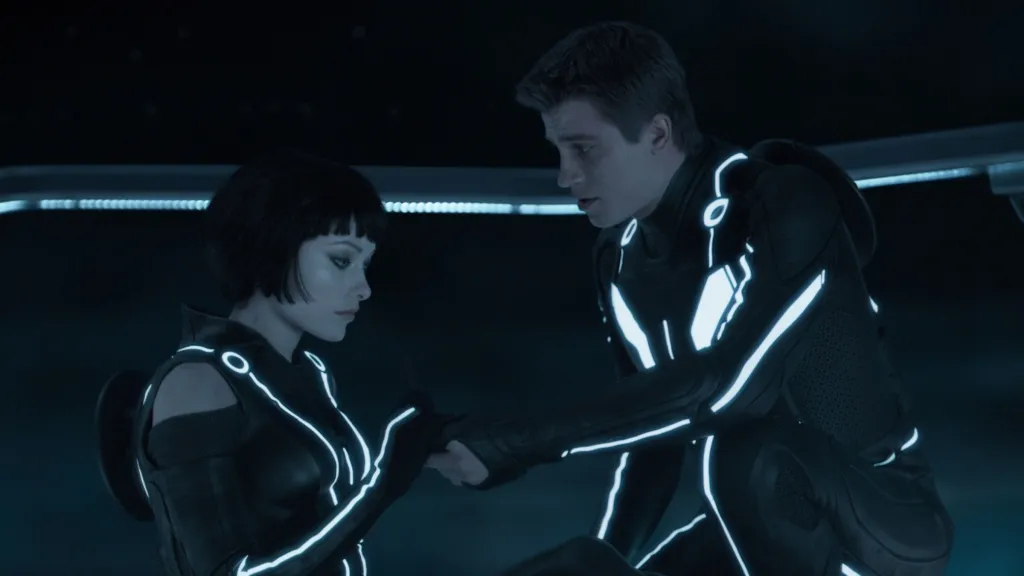
So, with time, it became clear that the film depends entirely on the viewer’s willingness: if you’re ready to step into the Grid, accept its rhythm, enjoy the aesthetics, and appreciate its world-building, you can walk away having had a genuinely cool experience unlike anything else you’ve seen. But if you expect something deeper, more dramatic, or significantly more complex than what’s on screen, you’re likely to end up disappointed.
In the end, it may not have been the blockbuster Disney wanted, but it’s the kind of project people remember because it didn’t try to look like everything else (even if still underrated overall). But then came the big twist: Tron: Ares.
Tron: Ares Took the Franchise in All the Wrong Directions
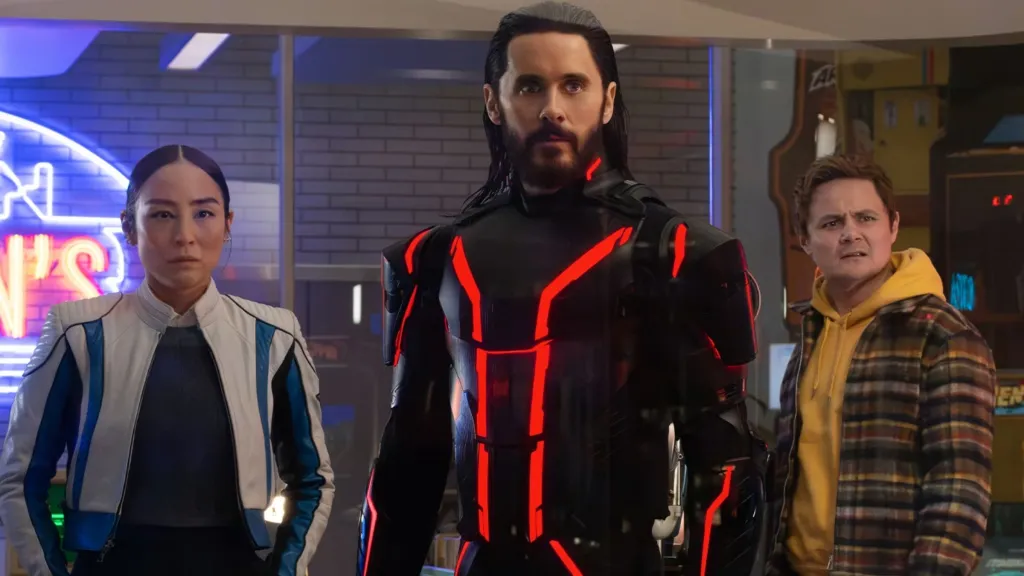
Instead of continuing Sam and Quorra’s (Olivia Wilde) story, the studio, ambitious as always, chose a bolder direction for the next movie. The idea, at first, sounded promising, but it’s the kind of thing you still need to think twice about to see if it has staying power. In this case, the new concept ignored almost everything that made Legacy work. Ares emerged as a sort of fresh start that looked clever behind the scenes, but on paper (and especially on screen) made it clear that it broke the most basic connection between the franchise and its audience. It isn’t a sequel, it isn’t a natural expansion, and it doesn’t even try to engage with the mythology. Ares is practically a reset, the kind that expects you to accept a new direction just because the studio decided it would be easier to sell.
For a long time, Disney has struggled with its releases, and Ares is the perfect example. Corporate decisions alone don’t cut it because the outcome ends up completely different from what is desired. The movie tries to stay relevant by putting an AI at the center of the story, with a program attempting to break into the real world, but it all feels more like an attempt to update the Tron brand than a genuine evolution of the narrative. It lacks continuity, lacks emotion, and lacks anything that connects this new chapter to what brought people back to the franchise in 2010. When you abandon the character who sustained the revival, you automatically alienate the audience that still cared (and that shows at the box office).
What makes it even stranger is that Legacy left interesting doors open for a solid continuation: beyond Sam and Quorra’s dynamic, there was Tron’s fate and the potential impact of digital beings entering the real world. Even though the movie doesn’t ignore those details, all of that could have fueled a more mature sequel that aligned better. But Ares chose to go for a story that could’ve existed in any other sci-fi franchise, honestly. And that’s exactly where things fall apart: Tron only works when it embraces specificity. When it tries to be generic, it loses its purpose.
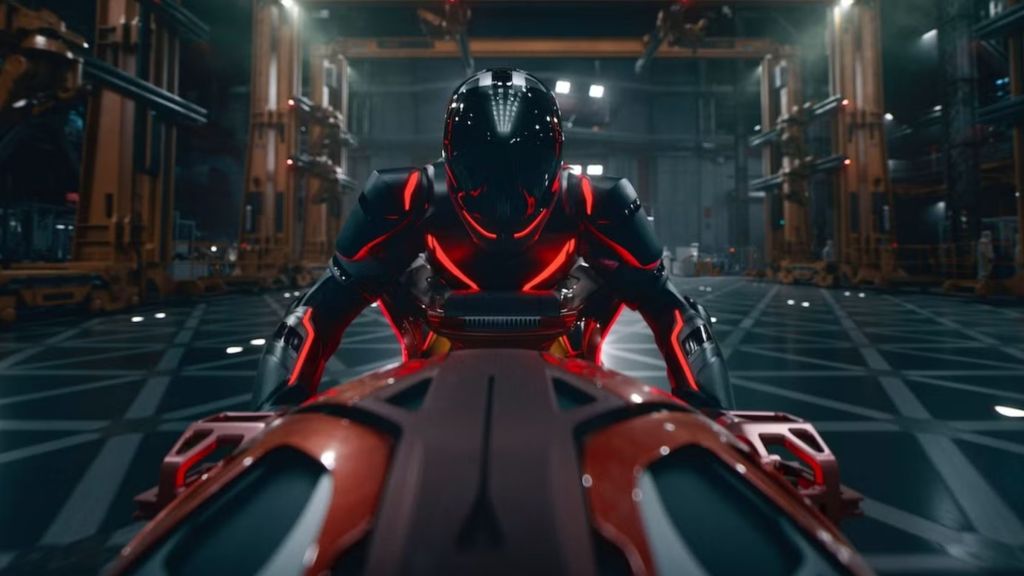
And here’s something crucial: if the core of the franchise isn’t there, it doesn’t matter how great your visuals are. Ares feels like a movie assembled by departments: cool design, interesting ideas, polished execution — but no cohesion. It lacks that clear sense of purpose that Legacy, flaws and all, had in abundance. The 2010 film knew it was an oddball and leaned fully into it; Ares feels uncomfortable in its own skin, like it’s already afraid of rejection. And when a movie starts without confidence in its identity, the audience’s response becomes predictable, and usually the opposite of what the studio wants.
It’s not that the new movie is bad on its own; it just doesn’t stand out. If it weren’t part of this franchise, it would work a thousand times better. But that’s not how this works, because in this case, nostalgia matters. Legacy respected what came before; it didn’t depend entirely on it, but it acknowledged its roots. Ares, on the other hand, acts like it’s above the franchise’s history, and that creates an immediate disconnect. The general audience gets lost, the fans get frustrated, and newcomers have no idea why Tron was ever special. That makes everything even more disjointed, because the saga’s identity has always been its biggest strength.
In the end, Tron: Ares ends up responsible for something Legacy tried hard to avoid: making the franchise irrelevant. Not because it’s a total disaster, but because it gives the audience no reason to come back. Disney gambled on a kind of reboot when what the saga needed was continuity, and the result is that its future is now compromised. Pure irony for a franchise that has always been about evolution, identity, and survival in a world that changes too fast. They revived Tron with one hand and pushed it toward the edge with the other.
What do you think of Tron: Legacy and Tron: Ares? Leave a comment below and join the conversation now in the ComicBook Forum!
Most Viewed
-

Image Courtesy of Prime Video -

Courtesy of Crunchyroll -
Image Courtesy of DC Comics