Over the past few days, the internet has been buzzing nonstop over Netflix‘s acquisition of Warner Bros., which is one of the most impactful moves the entertainment industry has seen in years. But as is often the case with major Hollywood shake-ups, what draws the most attention isn’t just the official announcement — it’s how that change starts being presented to the public. The conversation kicked off almost immediately, with everyone speculating about the future of streaming and what this means for upcoming movie releases. Netflix even sent emails to subscribers addressing the deal. And more recently, an official promotional image began circulating, placing two major productions that are now “partners” under this acquisition side by side: on one side, Stranger Things, representing Netflix’s most popular series; on the other, Harry Potter.
Videos by ComicBook.com
But choosing Harry’s image isn’t random. The idea is clearly to represent the very peak of Warner Bros. as a brand. Still, when you stop and think about it, even though Harry Potter was a massive pop culture milestone and made history across eight hugely successful films, it’s still a somewhat unusual choice. Which raises the real question: what does this actually say about the future?
Why Was Harry Potter Chosen as the Face of Warner Bros.?

The artwork doesn’t seem designed to be subtle — and it doesn’t need to be. Eleven’s presence is self-explanatory: Stranger Things is the biggest phenomenon Netflix has ever produced, it’s currently in its fifth season, and it functions almost like a brand stamp for the platform. When Netflix wants to represent itself, that’s the face it uses. But what stands out is the other side of the image, because choosing Harry Potter as Warner’s symbolic face is a very calculated move that says a lot about how Netflix plans to handle this catalog moving forward.
Harry Potter isn’t just another franchise in Warner’s package; it’s probably the studio’s most universal property. Even people who don’t actively follow movies or TV know who Harry Potter is, recognize the visuals, and understand its cultural importance. By placing its main character as one of the representatives, Netflix isn’t making an artistic statement — it’s making a market one. It’s the fastest and most effective way to communicate the weight of this acquisition without diving into numbers, corporate structures, or legal details. What makes the choice even more interesting, though, is that it wasn’t the obvious pick. In recent years, Warner has poured far more energy into reshaping the DC universe, expanding Game of Thrones through spin-offs, and trying to build new streaming bets via HBO Max.
The reality, though, is that none of those properties carry the same level of consensus and image stability as Harry Potter. As already mentioned, the DCU, for example, has been stuck in prolonged restructurings, reboots, and tonal shifts. Game of Thrones still carries the heavy baggage of a deeply divisive finale (and House of the Dragon is still working to fully establish itself as a true successor). The Lord of the Rings, despite its unmatched legacy, has faced a more fragmented reception for some time, with spin-offs struggling to unify audiences in the same way the original film trilogy once did. And every other major property, like IT or Dune, falls short of Harry Potter‘s reach and consistency.

The fact is that Harry Potter remains largely intact in terms of public perception, even after years without new mainline movies. Add in the upcoming TV series reboot, which only keeps raising expectations every time a new update surfaces, and the picture becomes even clearer.
That helps explain why Netflix seems so comfortable putting Harry Potter front and center right away. The brand works as a safe bet. It doesn’t need reintroduction, doesn’t rely on context, and doesn’t trigger immediate resistance from audiences. And realistically, if the TV reboot already had official promotional material available, that likely would have been used instead of imagery from the film franchise. For a company that thrives on constant attention and instant recognition, this kind of IP is incredibly valuable. It’s the equivalent of anchoring the catalog with something that keeps people subscribed, no matter what’s currently trending.
What Harry Potter Being the Face of Warner Bros. Means for the Future
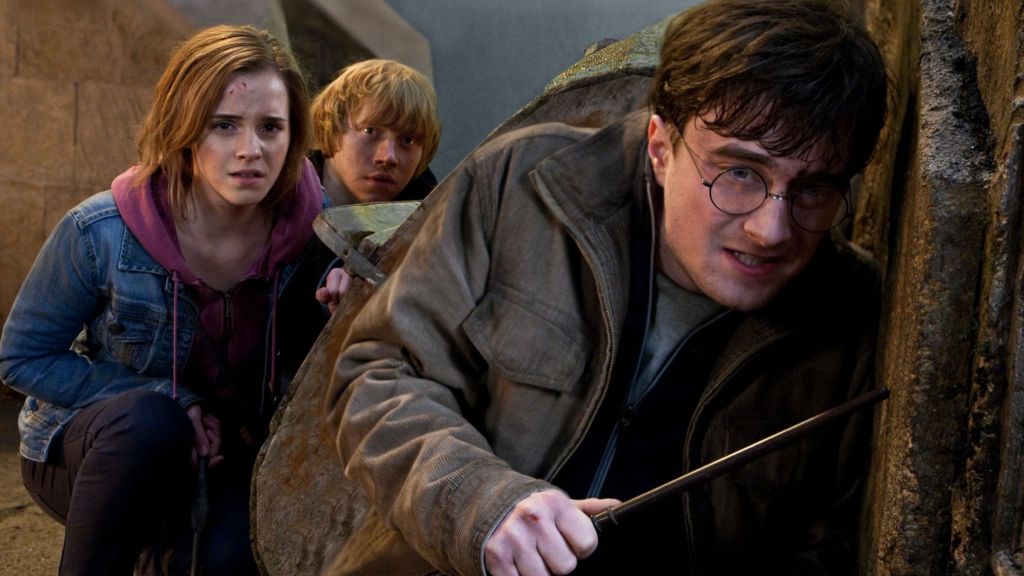
It’s hard to ignore the timing of this association, especially given that the Harry Potter TV series is in development and is being positioned as one of Warner’s most ambitious projects for the coming years. Choosing the Wizarding World as the centerpiece of the visual communication is a clear signal of priority. It highlights which properties are expected to draw the most attention, investment, and anticipation in the near future.
What Netflix is doing here is signaling that it understands the specific weight of this project as a long-form production. A full TV adaptation of this universe isn’t the same as releasing new films or occasional spin-offs. It’s a long-term commitment, designed to run for years, span multiple seasons, and keep audiences engaged. For a platform built around retention, recurring viewership, and online conversation, this kind of show is extremely valuable. The emphasis now suggests the series won’t be treated as just another prestige title, but as a strategic pillar.
For fans, this goes a long way toward explaining why expectations around the reboot are so high. Netflix doesn’t usually spotlight projects it isn’t prepared to back in a major way. Much like Stranger Things was carefully built through marketing and eventually became a cultural powerhouse, Harry Potter appears to be heading in a similar direction. When a production becomes central to a company’s broader narrative, it usually comes with a large budget, long-term planning, and a clear concern for cultural impact. That doesn’t guarantee the adaptation will be a success, but it does suggest it will be given time, attention, and room to grow — all of which are essential for a story so well-known and measured against its source material.
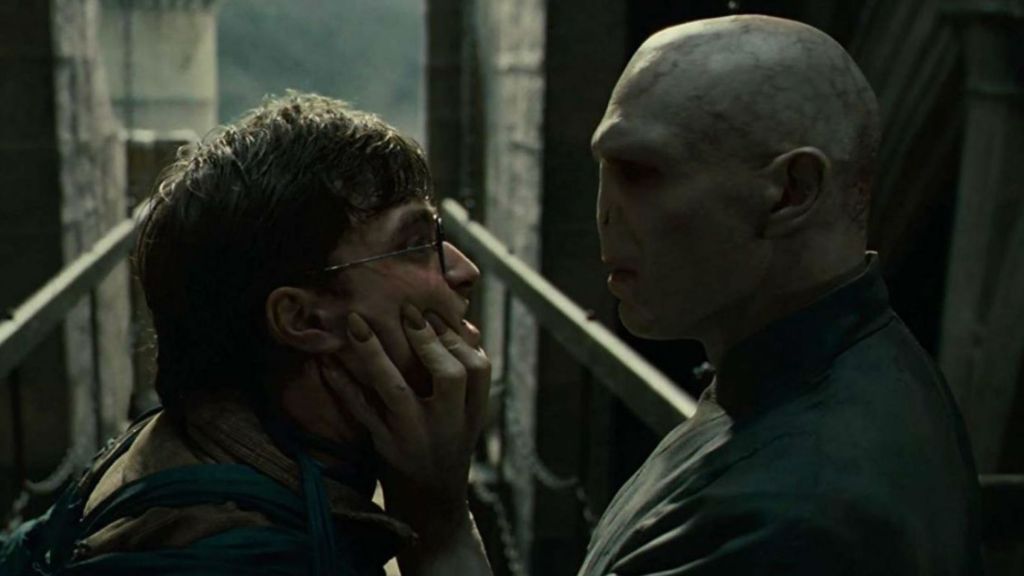
In the end, the promotional image doesn’t confirm creative decisions or release timelines, but it does act as a strong hint of Netflix’s intentions for the coming years — fittingly aligned with the slogan “Defining the next century of storytelling together.” Harry Potter has the potential to become a key project for the company, both in terms of branding and strategy. So this is about what’s coming next: a universe capable of sustaining long-term engagement, reaching multiple generations, and becoming one of the cornerstones of Netflix’s new era with Warner under its control.
What do you think? Leave a comment below and join the conversation now in the ComicBook Forum!
Most Viewed
-
Image courtesy of Universal Pictures. -
Image courtesy of Marvel Studios