Imagine turning on the television to learn that New Zealand had produced a filmmaking genius nobody had bothered to remember. This guy supposedly invented techniques that Hollywood would later take credit for, and there was even footage of his supposedly groundbreaking work. Sounds like a pretty incredible discovery, right? In 1995, plenty of viewers thought so. The catch was that the filmmaker, Colin McKenzie, didn’t exist.
Videos by ComicBook.com
Peter Jackson and Costa Botes cooked up the whole story for Forgotten Silver, a mockumentary that aired on New Zealand television. Jackson was still years away from turning The Lord of the Rings into a worldwide phenomenon, but he was already having fun messing with what audiences believed they were watching. The film looked like a serious investigation into a forgotten chapter of cinema history. It had interviews, old footage, and the sort of confident narration that makes you assume somebody has done their homework. And then viewers discovered the joke. Not everyone was laughing.
Peter Jackson Invented a Forgotten Filmmaker and Gave Him a Fake Legacy
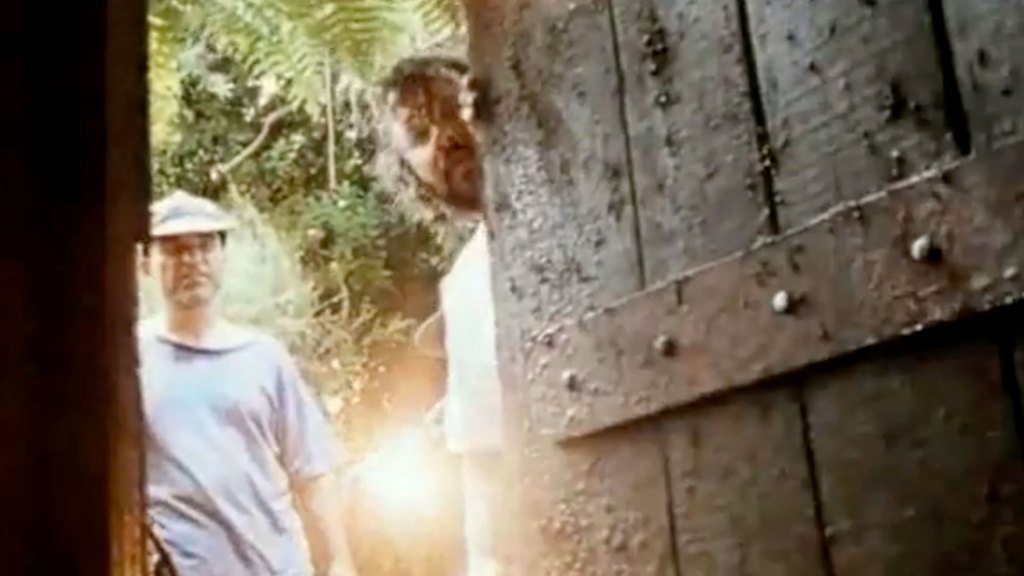
The genius of Forgotten Silver was how much effort went into making its nonsense believable. McKenzie wasn’t just some guy who supposedly made a movie nobody had seen. He was presented as a visionary who had developed filmmaking techniques years ahead of his time. The documentary claimed he had experimented with color, sound, and other innovations long before better-known filmmakers supposedly got there first. Jackson and Botes even created footage to support the story. If you weren’t familiar with early cinema, there wasn’t much reason to suspect that the documentary was building an entire film history out of thin air.
This fake documentary also came at a time way before the days of Aragorn and even before the prevalence of the internet. So, it’s not hard to see what it’d fool a lot of people. Check out the trailer and see for yourself.
Most mockumentaries let you in on the joke pretty quickly. Take This Is Spinal Tap. The whole thing is so ridiculous that you know not to take it seriously. Forgotten Silver was different. Jackson and Botes wanted viewers to believe they were watching a real documentary about a filmmaker who’d been erased from history. They even made footage to back up the story. By the time people found out Colin McKenzie was fictional, the joke had already worked. Some viewers just weren’t happy to be the punchline.
The Backlash Was Real, Even If Colin McKenzie Wasn’t
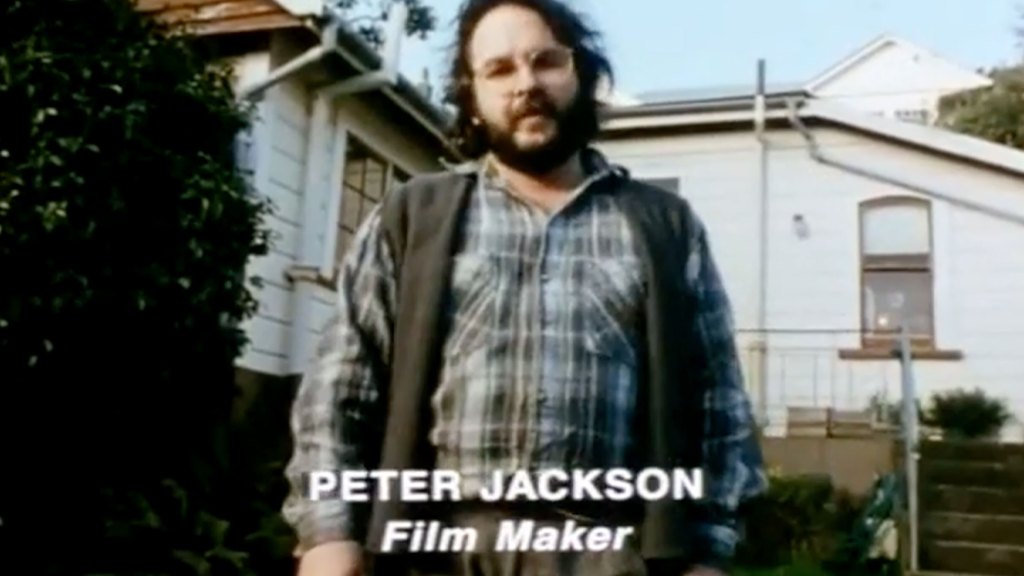
When viewers learned that McKenzie and his achievements were fabricated, the reaction was mixed. Some appreciated the cleverness of the film, while others felt they’d been misled by a program that looked like a genuine documentary. And it’s easy to see why. People had tuned in expecting to learn something about their country’s cinematic past, not to discover they’d spent the evening believing a made-up story. Jackson and Botes had pulled off an impressive filmmaking trick, but the fact that it worked so well was also what upset some viewers.
The funny thing is, Jackson got people to believe in a filmmaker who never existed, complete with a career that would have rewritten cinema history. Some viewers were impressed when they learned the truth. Others weren’t thrilled about being taken for a ride. And you can see their point. If you sit down to watch a documentary about New Zealand’s film history, you probably don’t expect the filmmakers to invent half of it. Still, pulling off a stunt like Forgotten Silver took real filmmaking skill. Jackson would later bring The Lord of the Rings to the big screen. But he was already good at making people believe in things that weren’t real. With Forgotten Silver, he proved he could fool an audience without a single hobbit or orc.
Peter Jackson would go on to make movie history with The Lord of the Rings, but Forgotten Silver proved he could make history up just as convincingly. The film fooled viewers by presenting a fictional filmmaker as a forgotten genius, complete with fake footage and an invented legacy. Decades later, it’s still a fascinating example of how easily a convincing story can blur the line between fact and fiction. But what about you? Would you have fallen for the Colin McKenzie hoax?
More Movies
-

Image Courtesy of Paramount Pictures -

Image Courtesy of Marvel -

Image Courtesy of Warner Bros