The DCU can barely catch a break. A giant studio changes hands, the corporate logo changes, executives start talking about the future, and somewhere in the middle of all that, fans start wondering the obvious question: what happens to the DC Universe? And rightfully so. Compared to the MCU, DC Comics has not been able to consistently or cohesively get its live-action movies and shows into the upper echelon of entertainment. Ask any general moviegoer in the last decade what their favorite superhero movie is, and chances are, they don’t even realize the DCU exists. Even Gal Gadot—once responsible for exciting a generation of superhero movie fans—is not returning to the role of Diana, aka Wonder Woman.
Videos by ComicBook.com
And then there’s the wildcard known as James Gunn. Gunn and Peter Safran have spent years building a new DCU, with Superman launching the new era and a growing slate of movies and shows already in various stages of development. But a merger is a pretty unusual opportunity for a studio to stop, look around, and decide whether the plan it inherited is really the plan it wants. Keeping things the same could provide stability, sure. But it could also mean missing the chance to make a meaningful change that could prove to be an even better choice for the DCU’s future.
A Paramount and Warner Bros. Merger Will Change Things
This is the awkward part. Paramount isn’t simply moving into a new office and changing the name on the door. The studio is taking full control of Warner Bros. Discovery. With that comes an enormous collection of film and television properties—along with major changes. That means different leadership, different priorities, and potentially different ideas about how franchises should be handled moving forward. If the new company wants DC to operate differently, keeping the people responsible for the existing strategy could make that much harder.
And that’s where Gunn’s continued control over the DCU becomes a little more than just complicated. His DCU has a very specific identity, and that’s intentional, of course. But a new owner may have a totally different vision about how Superman or Batman should be. After all, there might even be members of Paramount who favor more comic-accurate characters and stories. Suddenly, release schedules, budgets, streaming strategy, international markets, franchise expansion, and profitability all need to be revisited in accordance with Paramount’s plans. If those priorities don’t line up with Gunn’s approach, Paramount could find itself trying to change the direction of DC and actually changing the person steering it.
Keeping Gunn Could Make a Future Course Correction Even Harder
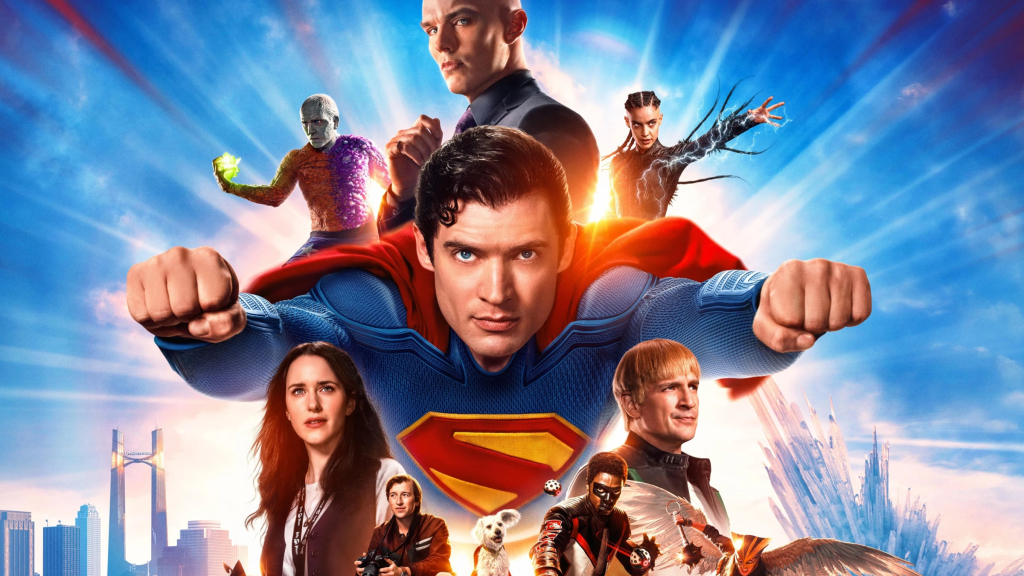
There’s also the risk of putting too much of DC’s future in one creative basket. Gunn and Safran aren’t simply overseeing individual movies. They’re building a connected DC Universe across film and television, which means their creative decisions can affect a huge portion of the franchise at once. When that works, consistency can be a strength. When it doesn’t, though, the lack of a variety of creative voices can become much more noticeable.
That’s the real concern with keeping the current leadership through a merger. If the new DCU doesn’t perform the way Paramount expects, the company won’t just be changing a few projects. It may eventually have to explain why it kept the same leadership after taking over, only to decide later that a different approach was necessary. By then, several more projects could already be in motion, contracts could be locked in, and even more time could have been invested in the existing plan. This new merger allows Paramount to rethink the DCU from the ground up. Keeping Gunn means sticking with his plans. But if the new strategy needs yet another reboot later, that might prove to be another huge setback for DC.
James Gunn’s Lanterns Holds the Key to the DCU

James Gunn may have made a good TV drama with Lanterns, but that’s kind of missing the point. It feels like the guts of something that didn’t necessarily need the shell of Green Lantern. The bigger issue DC needs to confront, if it wants to build a complete, all-directional business model around its characters, is how fans move seamlessly from comics to TV shows, animated series, and movies. Yes, comics reboot themselves and give characters new versions all the time—sometimes probably too much—but I digress.
With Lanterns, though, that becomes a much bigger problem, because the mythology has grown so far beyond the original concept of one Green Lantern that we’re now dealing with an entire cosmic ecosystem of Lanterns, Corps, colors, worlds, and competing histories. The 2000s especially exploded that mythology, introducing fans to the emotional spectrum and giving characters like Hal Jordan and John Stewart increasingly distinct identities within a much larger universe. So when a new Green Lantern series arrives and presents a mythology that feels disconnected from that history, there’s an immediate issue. Recent comic readers can recognize that Lanterns is doing something dramatically different from the version they know, while longtime fans who understand the character’s deeper history may look at Gunn’s approach and wonder why so much of that mythology has been left behind.
That all signals how the connective tissue between DC’s different mediums needs to be addressed. If the comics, cartoons, television series, and movies are all selling different versions of the same character, eventually the brand stops feeling like one universe and starts feeling like a collection of separate interpretations wearing the same costume. And that’s a true identity crisis. More importantly, it’s about what the fans think. Share in the comments below whether you agree with James Gunn leading the DCU into the future.
More Movies
-

Courtesy of Warner Bros. -

Image Courtesy of Warner Bros. -

Star Wars Episode IV – A New Hope Starring Carrie Fisher, Mark Hamill, Harrison Ford, Alec Guinness, Peter Cushing, Peter Mayhew, David Prowse -

Image Courtesy of Sony