Sony Pictures CEO Tom Rothman’s recent confirmation that the studio is initiating a “full-scale reboot” of its live-action Spider-Man spin-off slate marks the official end of a turbulent eight-year experiment. For nearly a decade, Sony attempted to sustain a cinematic universe built on the peripheral figures of the Marvel mythos, yet this ambition frequently collided with the reality of an audience that remained largely indifferent to a narrative that lacked its central hero. The decision to scrap the existing continuity and move toward a “fresh narrative perspective” reflects the culmination of several years of misfires, as the studio consistently failed to translate the massive popularity of the web-slinger into a sustainable ecosystem for his villains.
Videos by ComicBook.com
The strategy employed by Sony over the last eight years was a complex dual-track system that sought to capitalize on the popularity of Spider-Man across different cinematic projects. While the studio successfully partnered with Marvel Studios to integrate Peter Parker (Tom Holland) into the Marvel Cinematic Universe, they simultaneously attempted to build a secondary live-action universe on the side. However, despite a blockbuster start, the diminishing returns of the Venom trilogy and the outright rejection of subsequent spin-offs eventually led to the official death of Sony’s Spider-Man Universe.
Sony’s Spider-Man Universe Promising Debut with Venom
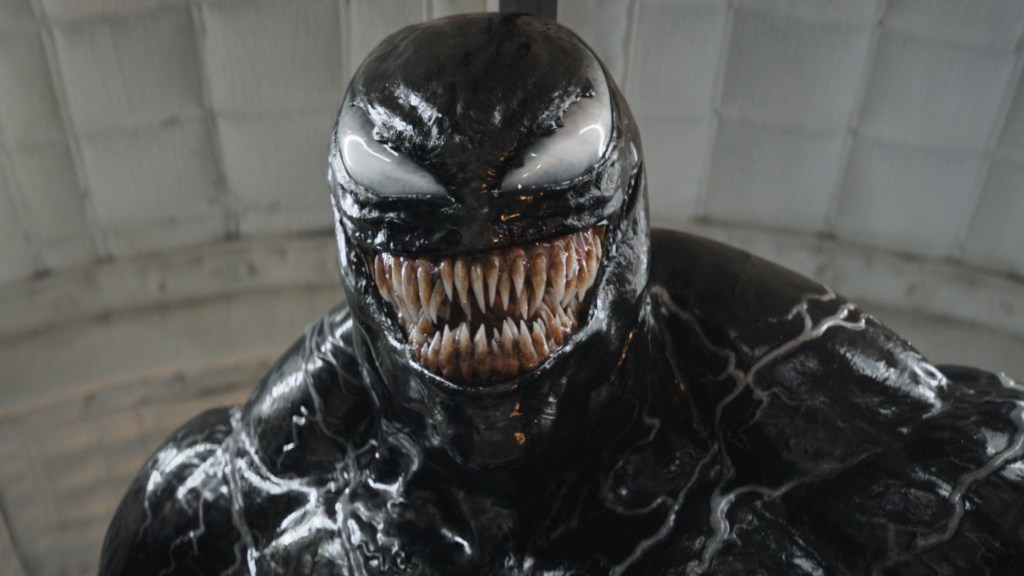
Sony’s Spider-Man Universe initially appeared to be a formidable contender in the superhero genre following the massive debut of Venom in 2018. Despite lukewarm reviews, the film capitalized on the star power of Eddie Brock (Tom Hardy) and a $100 million production budget to generate a staggering $856 million at the global box office. This unexpected windfall convinced Sony leadership that a universe without Spider-Man was not just viable but potentially more lucrative than a traditional solo franchise. However, the studio began to invest heavily in a formula that favored campy aesthetics over substantive character development, leading to a trilogy that struggled to maintain its footing. Venom: Let There Be Carnage saw a significant dip to $506 million, and when Venom: The Last Dance arrived in late 2024, its global box office plateaued at roughly $477 million.
Beyond the numbers, the Venom trilogy highlighted a cardinal mistake in Sony’s world-building: the obsession with “shared universe” teases that lacked long-term payoff. The most glaring example was the post-credits sequence in the second film, which transported Eddie Brock to the MCU only for him to be immediately sent back in Spider-Man: No Way Home without interacting with any primary heroes. This move was widely criticized as a cynical marketing stunt that offered no narrative substance. Furthermore, the final entry in the trilogy introduced the symbiote god Knull (voiced by Andy Serkis) with the gravity of a world-ending threat, yet the character was utilized primarily as a CGI-heavy backdrop with no immediate future in the production timeline. This pattern of promising a grander lore while delivering stake-free stories eventually exhausted the goodwill of the fanbase, proving that even a popular character like Venom could not compensate for a lack of narrative direction.
The Multiple Bombs of Sony’s Spider-Man Universe
The collapse of the SSU was solidified by the total rejection of its non-Venom entries, which consistently failed to respect the source material and engage the general public. Morbius became the face of this failure in 2022, grossing a dismal $167 million worldwide on an $80 million budget. The film’s attempt to modernize Michael Morbius (Jared Leto) was undermined by a generic script and a nonsensical post-credits scene involving Adrian Toomes (Michael Keaton). This specific sequence, which saw the Vulture transported from the MCU to Sony’s universe to form a team, broke established multiversal logic and was widely mocked for its desperation. The situation only worsened with Madame Web in early 2024, which became a laughingstock for its stilted dialogue and failure to feature Cassandra Webb (Dakota Johnson) in a recognizable version of her comic book costume until the final seconds of the film.
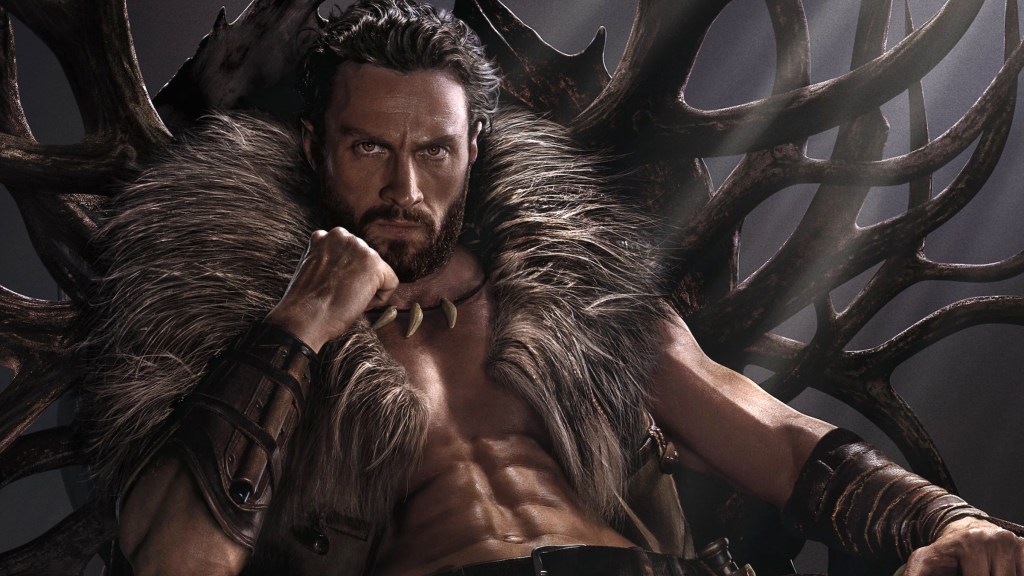
The final nail in the coffin arrived with Kraven the Hunter, which struggled through multiple delays before ultimately bombing in late 2024 with a worldwide haul of just $62 million. By attempting to turn Sergei Kravinoff (Aaron Taylor-Johnson) into an animal-loving environmentalist, Sony alienated the very comic book fans who were most likely to support the project. These repeated failures underscored the inherent futility of the “Spider-Man without Spider-Man” experiment, as each film doubled down on the mistake of teasing a future that the studio clearly had no plan to fulfill. This creative bankruptcy led to the quiet cancellation of several other high-profile projects, including the Bad Bunny-led El Muerto, the Silver & Black team-up featuring Silver Sable and Black Cat, and a solo Hypno-Hustler film starring Donald Glover.
What the Future Holds for Sony’s Spider-Man Franchise

While the live-action villain experiment has ended in a reboot, the Spider-Verse franchise remains the gold standard for Sony, proving that when the focus is on a central hero like Miles Morales (voiced by Shameik Moore), the creative and commercial potential is limitless. This success is now being leveraged into a more targeted television expansion, beginning with the live-action Spider-Noir series. By casting Nicolas Cage to portray a gritty, 1930s-era version of the character, Sony is pivoting toward high-concept, hero-led storytelling that feels distinct from the generic villain-centric films of the previous decade. Additionally, the development of spin-offs for Spider-Gwen (voiced by Hailee Steinfeld) and Spider-Punk (voiced by Daniel Kaluuya) indicates that the studio has finally realized that Spider-Man himself—and all his variants—is the brand, not the villains.
The importance of keeping Spider-Man at the center of the franchise is underlined by the partnership between Sony and Marvel Studios. This collaboration has produced the most consistent financial returns in the character’s history, significantly outperforming the independent villain ventures. Spider-Man: Homecoming initiated this success with $880 million, followed by Spider-Man: Far From Home at $1.13 billion, and the monumental Spider-Man: No Way Home at $1.9 billion. While the initial agreement was limited in scope and faced a high-profile dissolution in 2019, the two studios eventually renewed their partnership to develop a brand-new trilogy for Peter Parker, which will kick off with Spider-Man: Brand New Day.
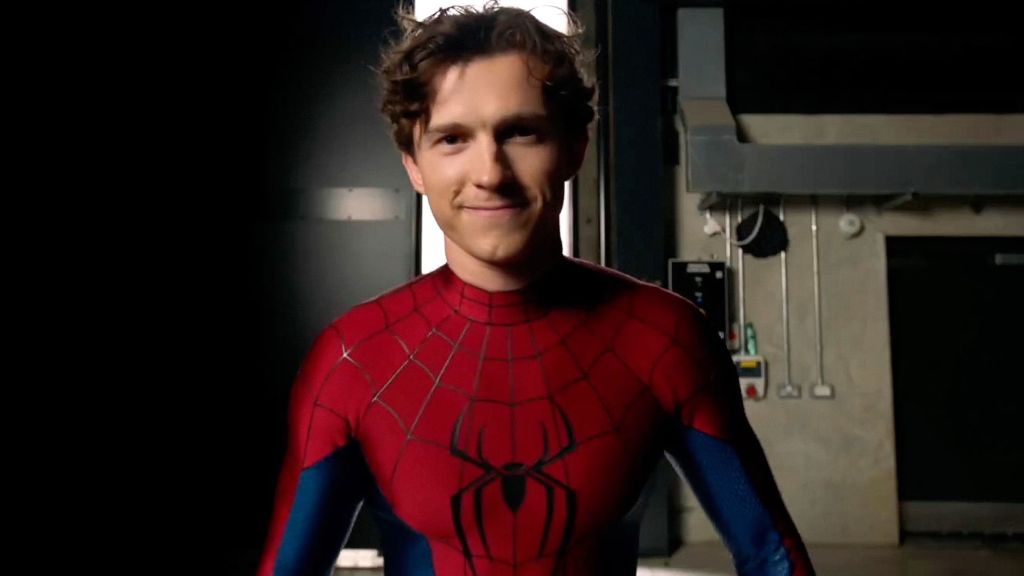
Furthermore, current industry rumors suggest that Sony is becoming increasingly open to sharing more of its character library with the MCU to ensure the success of the upcoming rebooted timeline. This potential shift highlights a growing focus on the creative stability that the Marvel Studios partnership provides for the flagship brand. If Sony wants to invest in more live-action productions based on Spider-Man characters, it would make sense to develop even more projects within the framework of the MCU.
The live-action Spider-Noir series is currently scheduled to premiere on MGM+ on May 25th, followed by the theatrical release of Spider-Man: Brand New Day on July 31st.
Do you think Sony can be successful in rebooting their Spider-Man Universe without the main hero? Or should they fully integrate with the MCU? Leave a comment below and join the conversation now in the ComicBook Forum!
Most Viewed
-

Image courtesy of Tor Books/Macmillan -

Official art by Bastien Lecouffe-Deharme