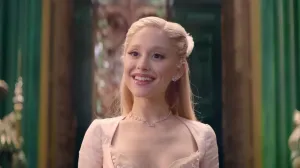
Wicked: For Good turns one of The Wizard of Oz‘s (1939) most pivotal moments on its head, and it gives the musical a whole new meaning. Based on Gregory Maguire’s novel Wicked, which draws inspiration from L. Frank Baum’s The Wizard of Oz, the popular Broadway musical presents a different take on the Land of Oz and tells the Wicked Witch of the West’s origin story. Director Jon M. Chu’s two-part film adaptation follows the unlikely friendship between Elphaba (Cynthia Erivo) and Glinda (Ariana Grande). Elphaba, the one-of-a-kind magic wielder, is reviled by Ozians for her green skin. Her efforts to help the persecuted animals of Oz also make her the target of the Wizard (Jeff Goldblum) and Madame Morrible’s (Michelle Yeoh) propaganda aimed at convincing the masses of Elphaba’s wickedness. Amid her strife in Wicked: For Good, Elphaba delivers a heartening song inspired by The Wizard of Oz.
Videos by ComicBook.com
The song “No Place Like Home” alludes to the iconic scene from The Wizard of Oz, in which Dorothy (Judy Garland) tries to return home to Kansas from Oz. Its title echoes Dorothy’s repetition of the phrase, “There’s no place like home,” as she clicks her heels together three times. The musical number stands out as one of two tracks written for Wicked: For Good, as neither Elphaba’s “No Place Like Home” nor Glinda’s “The Girl in the Bubble” exists in the original Broadway production. Wicked: For Good uses “No Place Like Home” to convey an entirely different message from that of The Wizard of Oz, strongly tying Elphaba’s story to the Wicked‘s overarching themes.
How Wicked: For Good Changes The Wizard of Oz‘s Meaning of “There’s No Place Like Home”

“No Place Like Home” represents a significant moment in Elphaba’s arc following her stirring self-determination anthem, “Defying Gravity,” at the end of Wicked. While witnessing tons of animal citizens leaving Oz for the great unknown, Elphaba reminds them that their home is worth fighting for and encourages them to stay. As a result, Wicked: For Good completely flips the meaning of The Wizard of Oz‘s phrase. Dorothy’s deep desire to return to Kansas stems from her newfound appreciation for the people and places she loves. Not even the mystifying world of Oz and the new friends she makes along her journey can deter Dorothy’s love for the home she left behind.
In Wicked: For Good, “No Place Like Home” represents a defiant choice to remain rather than a profound longing to depart. Elphaba’s declaration that Oz belongs to every single animal who has been told they are no longer welcome is a powerful expression of hope in dark times. Elphaba and the animals face a similar predicament, and the solidarity she expresses with them during “No Place Like Home” makes for an uplifting moment in Wicked: For Good. It’s always important to recognize that a phrase can have more than one meaning, and Wicked: For Good excellently pays homage to the origin of “No Place Like Home” while offering a deeper interpretation of these words. In The Wizard of Oz, home is something to appreciate, but in Wicked: For Good, home is a place to protect.
“No Place Like Home” Is a Great Addition to Wicked: For Good
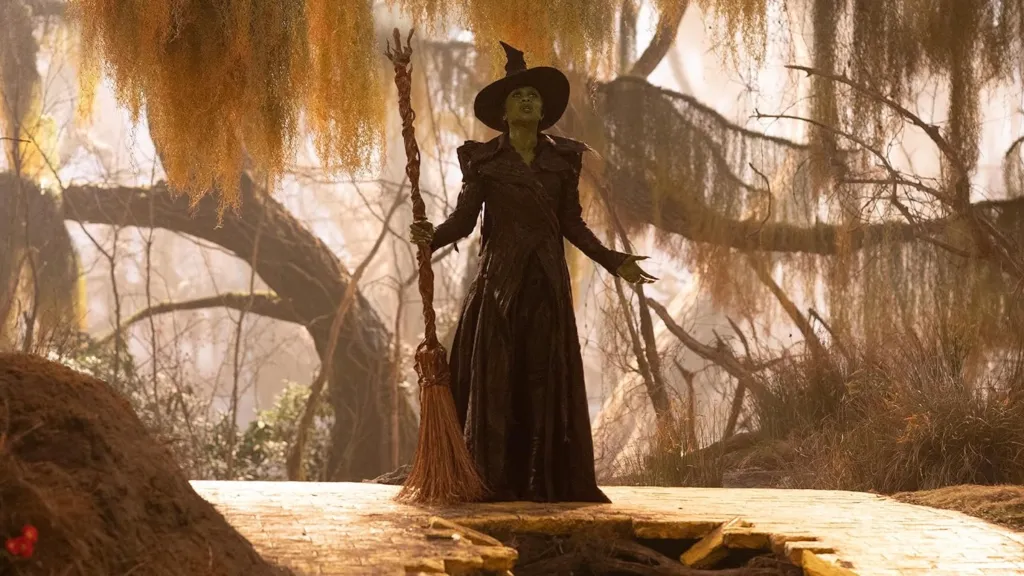
“No Place Like Home” isn’t as catchy as “Wonderful” or as atmospheric as “As Long as You’re Mine,” but the song still fits well into Wicked: For Good‘s narrative. Both Maguire’s novel and Stephen Schwartz’s stage musical carry deep-rooted political themes about scapegoating and propaganda under a fascist government. Resisting an oppressive regime is a long, arduous task, illustrated by Elphaba’s failure to expose the Wizard’s corruption and clear her name.
Nonetheless, Elphaba’s determination to restore the animals’ lives in Oz persists, as her fake death and Glinda’s rise to power pave the way for progress. Influenced by history and strikingly reminiscent of today’s world, Wicked and Wicked: For Good‘s cautionary tale reprimands complacency and prejudice and underscores the need to create a more just society. “No Place Like Home” superbly amplifies the hardship endured by Elphaba and the animals in Oz while reimagining the meaning of home first introduced in The Wizard of Oz.
Wicked: For Good is available to rent or purchase on video-on-demand platforms.
What do you think about “No Place Like Home”? Leave a comment below and join the conversation now in the ComicBook Forum!
Most Viewed
-

Image Courtesy of Ufotable -

Courtesy of Bones Film