The long-awaited second part of the film adaptation of the Broadway staple, Wicked, has finally arrived, with Wicked: For Good premiering on November 21st. The musical, which chronicles—as the author of the original Wicked book said—”the untold story of the Witches of Oz,” has been a global phenomenon for over two decades, celebrated for its emotionality, spectacular production quality, and, most importantly, its soaring, memorable score by Stephen Schwartz. With the film version now out, fans who were not familiar with the source material are pointing out a specific issue: a noticeable dip in energy and catchy songs in the second act compared to the exhilarating first. The first part of Wicked is filled with youthful exuberance, bubbly numbers, and the central plot of the unlikely friendship between Glinda and Elphaba, giving us instant classics like “Popular,” “Dancing Through Life,” and “Defying Gravity.” Wicked: For Good, by necessity, shifts gears, becoming darker, more politically charged, and taking place years later. All of this inherently changes the emotional landscape, which makes sense considering part 2 occurs alongside the events of The Wizard of Oz, where Elphaba is the clear villain and “wicked witch.”
Videos by ComicBook.com
In an attempt to smooth this musical thematic transition, the film introduces two brand-new songs from Schwartz: “Girl in the Bubble” and “There’s No Place Like Home.” While a welcome effort to flesh out the second half, these new additions are unfortunately a bit too underwhelming to truly fix the long-standing structural imbalance of the source material.
The New Songs Struggle to Compare to the Originals
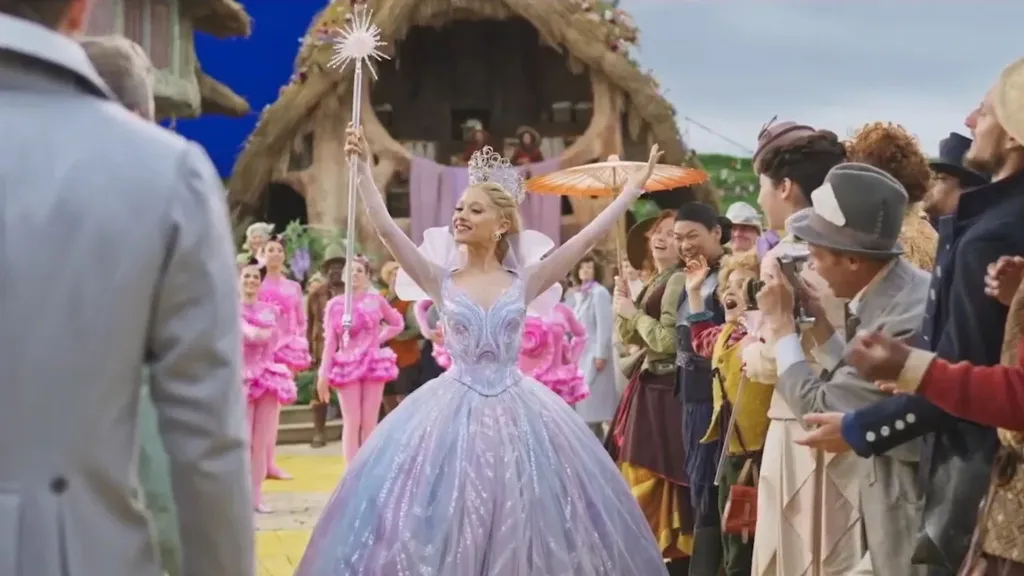
The fundamental challenge for Wicked has always been the shift in tone and pace necessary for the story’s dramatic conclusion, which is already written by The Wizard of Oz. The first Wicked film is a fun and bouncy exploration of innocence, rivalry, and the blossoming of a friendship that would change the entire course of Oz. The Shiz University setting alone lends itself to catchy, high-energy numbers that quickly became synonymous with the stage show. Wicked: For Good, however, has to deal with the heavier fallout of everything that happened at the very end of the first part: the political smear campaign against Elphaba, painting her as the “Wicked Witch” by the powerless Wizard’s corrupt regime. The songs from Act Two of the stage play, while vital to the story, often lack the punch of their Act One counterparts (with the exception of “No Good Deed” and “For Good”).
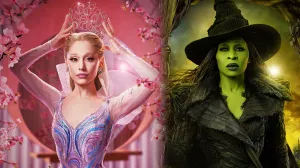
The new numbers added to Wicked: For Good were intended to remedy this problem and raise the emotional stakes for Elphaba and Glinda on personal levels. “Girl in the Bubble,” sung by Glinda, aims to capture her internal conflict and growing unease with her carefully constructed, perfect lie of a life. “There’s No Place Like Home,” sung by Elphaba, is crafted to deepen her commitment to remaining an outcast in her quest for justice. While both songs serve their plot functions, they simply cannot compare to songs like “The Wizard and I” or “Defying Gravity” that became so instantly iconic. These 2 new numbers feel like forced additions rather than essential, transformative, and well-earned natural moments.
Importantly, a huge opportunity was missed; to truly balance the emotional weight, the film should have given Fiyero a new solo song to better explore his divided loyalties and his transformation from a shallow prince to a committed activist, a character arc that was summed up in a single line when Fiyero simply tells Elphaba, “I have changed.”
The core issue remains: the entire trajectory of the show, and now film, itself—from playful youth to political darkness—is what makes Wicked: For Good structurally heavy. A couple of solid, but not spectacular, new tunes aren’t enough to magically bring back the brightness of the show’s first half. The new songs offer an earnest attempt at a solution, yet ultimately, the most significant problem with Wicked remains.
What do you think? Leave a comment below and join the conversation now in the ComicBook Forum!
Most Viewed
-
Image courtesy of MAPPA -
Image courtesy of Daybreak Game Company