One of the most fun parts of science fiction is that it often predicts the distant future. Many science fiction movies predict new technology and its effects on human society, whether those are dystopian, like the routine brainwashing via propaganda of A Clockwork Orange or fun new methods of transport, such as the hoverboards everyone had in Back to the Future.
Videos by ComicBook.com
Some classic science fiction movies made sweeping predictions for the future. In some cases, those predictions never came to pass, but in others, the movies were strikingly on point. Predictions about AI are especially relevant in the post-ChatGPT age, but there are also many other reasons why some science fiction movies were ahead of their time.
10) 2001: A Space Odyssey (1968)

Although 2001: A Space Odyssey is supposed to be about a space mission to Jupiter, where human-like creatures appear to be evolving, the central plot is that the spaceship’s supercomputer malfunctions, takes over, and declares war on the humans on board. This movie came out in 1968, when computer technology was just beginning, and reflected the fear that computers might someday become sentient, a theme that has often been repeated in science fiction.

This plotline is extremely relevant in 2025, where there are ongoing debates about what the role of artificial intelligence should be in various industries and fear of AI replacing jobs. While there are no sentient robots yet, today’s society includes robot vacuums, computer programs that can instantly generate text, and other computer applications that mimic some of the advanced functions HAL-9000 performed.
9) Back to the Future (1985)
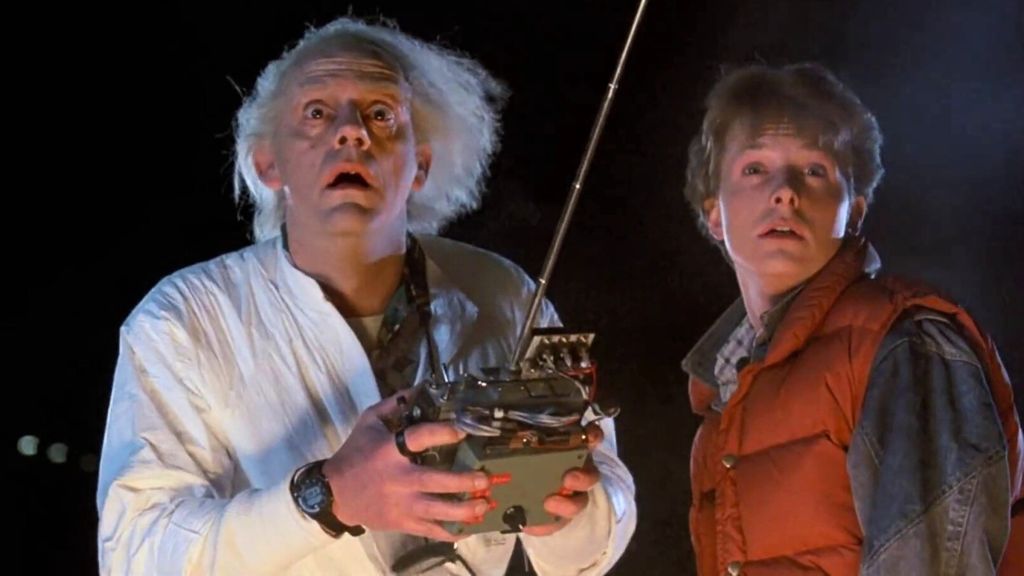
Some of Back to the Future‘s specific predictions for 2015 after Marty traveled there in Doc’s iconic DeLorean didn’t come true, but this classic sci-fi comedy was way ahead of its time. Video calling technology, which was a pipe dream only to be found in sci-fi movies in 1985, is common now, and the film also had people in 2015 watching flat-screen TVs, using iPad-like tablets, and using biometric locks, among other things.
There is a long list of tech in this movie that is now a reality, plus by coincidence, the film predicted the Chicago Cubs winning the World Series only a year before it happened in real life. However, the film’s themes are what make it a masterpiece. Back to the Future was one of the first movies to suggest that time travel could cause paradoxes or have a particular system for traveling from the present to other time periods, and many other films adopted these ideas afterward.
8) A Clockwork Orange (1971)
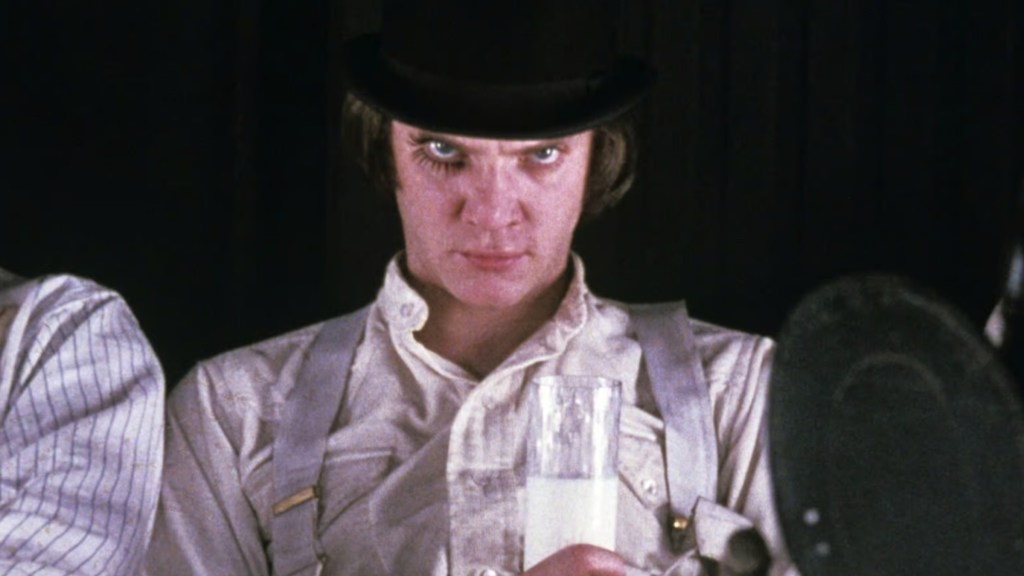
A Clockwork Orange is one of the most frequently banned science fiction movies in recent years because of the story’s violence. Although the plot is somewhat disturbing, it also correctly predicted one of the most dangerous threats to freedom of thought: televised propaganda.
The focus on how violent the film is misses the point in an ironic way. This movie is a dystopian science fiction story in which young people are brainwashed into becoming violent killers by overexposure to violent images on television. In 2025, 24-hour news stations, easy access to videos on social media, and the use of AI to create deep fakes have all contributed to people being more easily swayed to believe what video creators want them to believe, thus proving the movie’s central message correct.
7) The Truman Show (1998)

Jim Carrey’s The Truman Show is another dystopian movie that was eerily prescient, though it was played for laughs. This movie’s plot has become famous: a man lives what he thinks is his ordinary life, but is secretly being filmed for a reality show, and none of what he experiences is real.
This trippy-seeming premise was truly ahead of its time. Nowadays, reality shows are so ubiquitous that it’s only a matter of time before someone creates a premise similar to The Truman Show (though probably with fewer violations of privacy laws.) Additionally, the movie predicted that surveillance technology would evolve to the point that everyone would be filmed without even realizing it. We’re not quite in that hellscape yet, but AI surveillance tools work alongside traffic cameras, making most of us far more susceptible to surveillance than we realize.
6) Minority Report (2002)
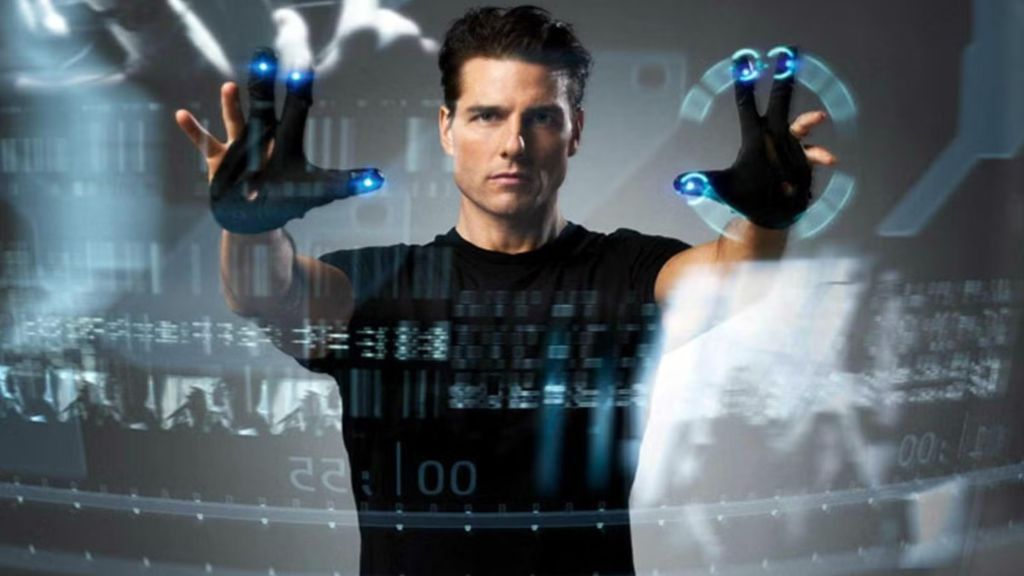
Minority Report takes place in a disturbing future in which police have expanded powers, including access to technology to help them identify supposed criminals before crimes occur. This scary premise is eerily similar to the way racial profiling is often used alongside other tools to disproportionately blame marginalized groups for crimes — including those which haven’t happened yet.
Some of the tech itself, such as iris scanners and touchscreens, now exists in the real world, and other items, such as self-driving cars, are in development. More importantly, the police use and possible misuse of tech to try to prevent crime is a problem in 2025. For example, there are endless debates over whether facial recognition tools constitute an invasion of privacy and whether the information they provide is worth the harm they can cause.
5) The Matrix (1999)
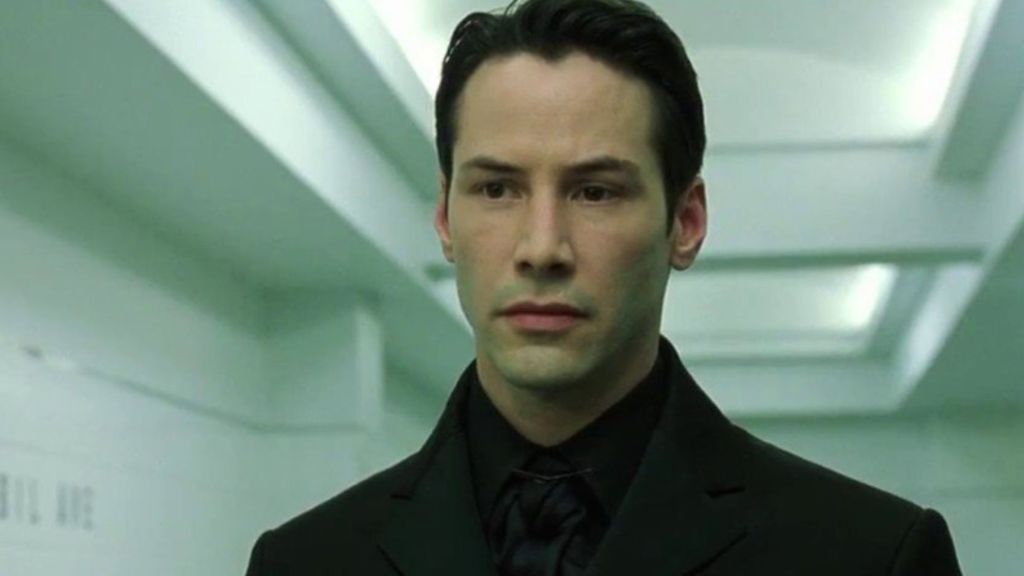
The Matrix is one of the most influential science fiction movies of the 1990s. Phrases such as “unplug from the Matrix” and “red-pilled” have become common slang, even among those who are not familiar with the original source of these sayings, and the movie continues to resonate with new audiences today.
Although a world where everyone was plugged into social media all the time did not exist in 1999, the writers of The Matrix saw clearly where technology could go. The film accurately predicted the way social media algorithms could shape behavior as well as the dangers of being chronically online. The film’s use of AI is well-known; it was also one of the first movies to suggest that wearable tech would someday be common.
4) Terminator 2: Judgment Day (1991)
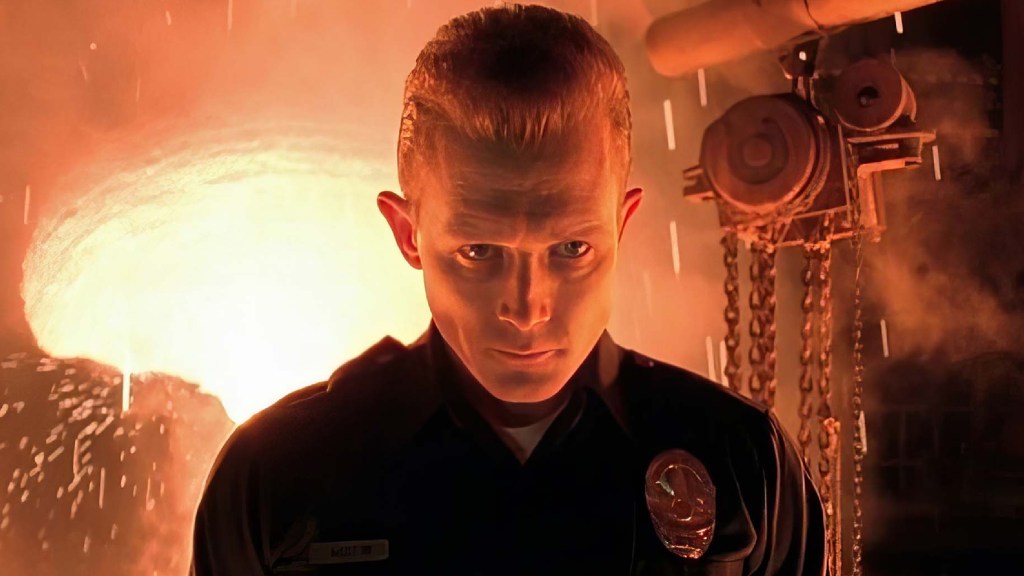
Like 2001: A Space Odyssey, Terminator 2: Judgment Day warns of the dangers of sentient machines. This movie involves an AI device that is meant to protect the world from serious threats, but instead initiates a nuclear holocaust.
In 1991, the idea of AI being a part of daily life was something that only happened in science fiction, but in 2025, AI is integrated into all parts of people’s lives, and the technology is growing rapidly. Thus, Terminator 2‘s warnings are far more important and relevant now, although sentient machines are still a long way off.
3) Gattaca (1997)
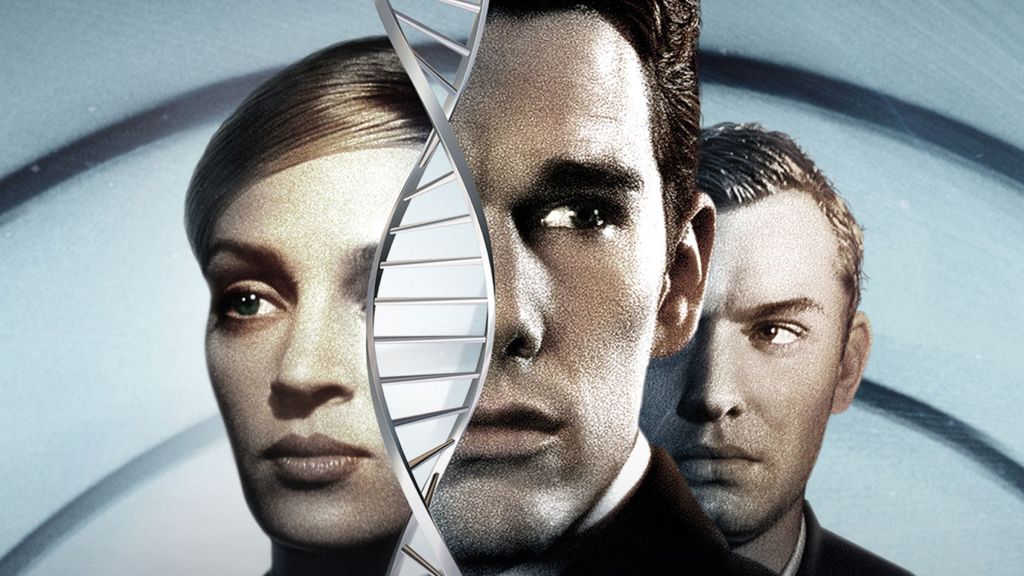
Gattaca is an important and relevant film for today’s audiences because of its emphasis on DNA editing and eugenics. The protagonist of this film, Vincent is considered “invalid” because he was conceived naturally instead of via genetic selection of desirable traits, and must take someone else’s identity in order to pursue his dream job as an astronaut — something which becomes complicated when a murder occurs on the space station and the police demand DNA samples from all employees.
The film was based on late 1990s concerns, such as invasive tech-based demands like mandatory DNA tests and fears around potential genetic engineering of babies. DNA technology was new then, but the concerns about using it for eugenics and discrimination are more valid in 2025 than in the past. Gattaca also made some more mundane predictions that came true, such as the invention of electric cars. This movie was so prescient that Showtime considered creating a TV version, though the project never came to fruition.
2) Her (2013)

Although it was made in 2013, Her could easily be a commentary on 2025’s AI boom. The film revolves around a lonely man who falls hard for an AI operating system that is designed to evolve emotionally in order to remain a suitable companion for humans. Not only does Theodore, the protagonist, convince himself he is in love with the machine, but another couple he’s friends with gets a divorce when the man falls for an AI “woman” too.
This cautionary tale is even more relevant today. There are many apps that lonely people often turn to that give them AI “girlfriends” or other illusions of intimacy, as well as debates over whether people should use ChatGPT and similar tools as a substitute for friendship or therapy. Her asks complex questions about the relationship between people and machines that give the illusion of sentience, which are far more important now than they were when the film was made.
1) Inception (2010)

Inception includes the disturbing concept of specialists who are able to enter people’s dreams and implant ideas in their subconscious. Thankfully, this is not a prediction that came true. However, there is active research in the area of shared neural interfaces, which is the same type of technology that allowed dream manipulation to take place in the film.
Even more concerning is that this film could easily be a metaphor for memory manipulation, an area of neuropsychology that there is currently a lot of interest in researching. Additionally, while AI deepfakes are not exactly the same thing as manipulating individual minds, 2025 society is increasingly polarized in part because of the way the existence of this type of technology contributes to people finding it difficult to discern truth from lies.
What sci-fi masterpiece do you think was most ahead of its time? Leave a comment and join the conversation at the ComicBook Forum.
Most Viewed
-

Image Courtesy of MAPPA -

Image Courtesy of DC Studios -

Image courtesy of Tor Books/Macmillan