To say great directors make great movies would be stating the obvious, but when you actually look through film history, truly perfect filmographies are nearly nonexistent, and flawless streaks of five or more films are incredibly rare. Even the most celebrated cinematic visionaries often have enough misfires on their resume to keep their best runs limited to only two, three, or four films.
Videos by ComicBook.com
For example, Francis Ford Coppola is often credited with the greatest film run in Hollywood history with The Godfather, The Conversation, The Godfather Part II, and Apocalypse Now, but broke his hot streak with One From the Heart, the shallow studio musical that nearly bankrupted him. Hitting five gems in a row without a stumble is another level entirely; the elite class only contains a handful of filmmakers, so here are five.
5) Paul Thomas Anderson
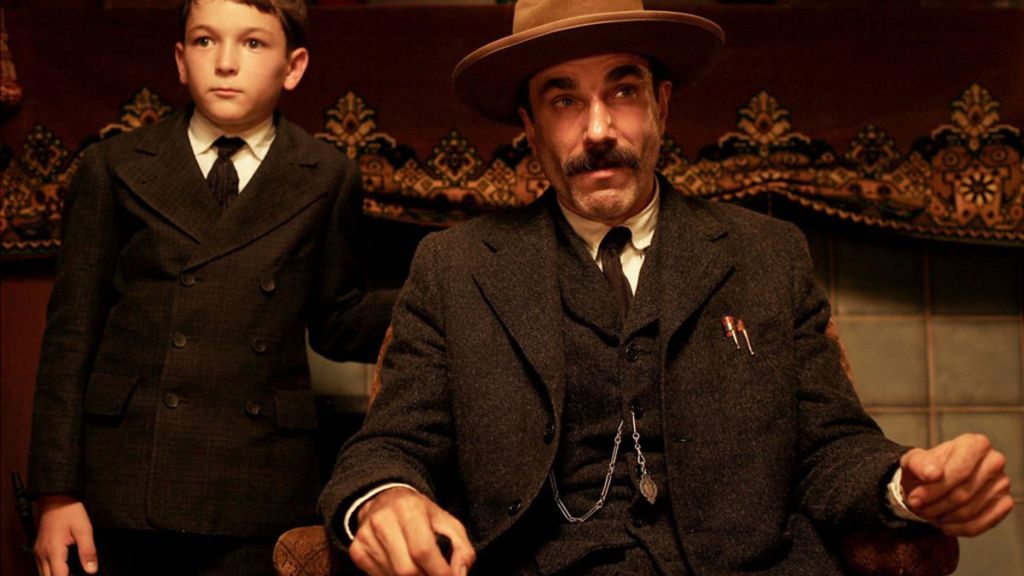
Boogie Nights (1997), Magnolia (1999), Punch-Drunk Love (2002), There Will Be Blood (2007), The Master (2012)
Paul Thomas Anderson’s winning streak begins with Boogie Nights, a three-hour ensemble epic about the rise and fall of the 1970s adult film industry. Made when he was just 27, the film drew inspiration from iconic directors like Martin Scorsese, featuring kinetic camerawork, needle drops, and long tracking shots. Two years later, he followed up with another sprawling ensemble opera, Magnolia, weaving together nine lives in the San Fernando Valley, and earning Tom Cruise one of the best performances of his career.
With Punch-Drunk Love, the filmmaker scaled back, delivering an offbeat romcom character study starring Adam Sandler in perhaps his best role of all time. Then came PTA’s magnum opus, and the film that nearly won him the Oscar: There Will Be Blood, which was an American oil epic starring Daniel Day-Lewis (who did in fact win the Oscar for his performance as Daniel Plainview). Finally, The Master brought together acclaimed actors Joaquin Phoenix and Philip Seymour Hoffman in a dense, twisted, and volatile psychodrama inspired by the origins of Scientology.
4) David Fincher
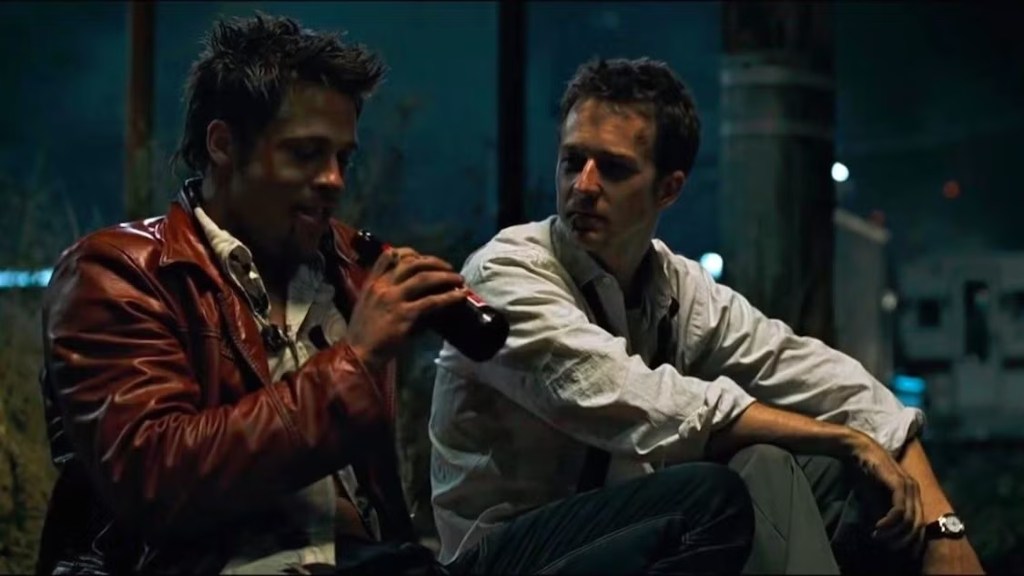
Se7en (1995), The Game (1997), Fight Club (1999), Panic Room (2002), Zodiac (2007)
After a difficult experience on the studio sequel Alien 3, David Fincher bounced back, proving his filmmaking prowess with Se7en, a neo-noir thriller and serial killer procedural starring Brad Pitt and Morgan Freeman, which brought us the famous “What’s in the box?” finale. The Game followed, a sleek paranoia thriller starring Michael Douglas that has since aged into cult status and is now widely regarded as one of the best psychological thrillers of the era.
Fight Club may have been initially divisive, but it has since become one of the defining films of the late ’90s, with Edward Norton and Pitt delivering iconic performances in what is ultimately a masterful satire on consumerism and toxic masculinity. Panic Room, starring Jodie Foster and a young Kristen Stewart, was Fincher’s contained home-invasion thriller that became a box-office hit, grossing nearly $200 million worldwide. And for number five, he delivered Zodiac, a haunting procedural thriller that has had a massive influence on the true-crime genre as a whole. Many critics now consider it his masterpiece.

3) Quentin Tarantino

Reservoir Dogs (1992), Pulp Fiction (1994), Jackie Brown (1997), Kill Bill: Vol. 1 (2003), Kill Bill: Vol. 2 (2004)
Quentin Tarantino came out of the gate swinging. His debut, Reservoir Dogs, was a contained warehouse crime thriller that became a phenomenon, introducing audiences to his singular style, dialogue, needle-drops, and all. Two years later, Pulp Fiction won the Palme d’Or at Cannes and completely rewired the brains of filmmakers and film-lovers worldwide, launching careers and becoming the pinnacle of nonlinear storytelling.
In a fresh turn, Tarantino adapted Elmore Leonard for Jackie Brown, delivering a mature, soulful Blaxploitation tribute starring Pam Grier. Then he went maximalist with martial arts in Kill Bill, splitting his stylish revenge epic into two volumes. Together and separately, they seem to combine his love of spaghetti westerns, kung fu cinema, anime, and grindhouse. If we count them as two separate films (which we do), then his hot streak is complete.
2) Rob Reiner

Stand by Me (1986), The Princess Bride (1987), When Harry Met Sally… (1989), Misery (1990), A Few Good Men (1992)
Quite the opposite of Tarantino, the late Rob Reiner wasn’t a flashy auteur, but rather, he was a director who elevated material and collaborators, helming a staggering number of popular classics. Stand by Me, adapted from Stephen King, was a portrait of boyhood and growing up that has since become a defining film in many people’s lives. A year later, The Princess Bride turned William Goldman’s meta-fairy tale into one of the most quoted, watched, and rewatched movies of all time.
When Harry Met Sally… paired Reiner with writer Nora Ephron and stars Billy Crystal and Meg Ryan. The restrained direction, the fantastic script, and the palpable chemistry elevated the rom-com to classic status. Misery, another great King adaptation, followed, earning Kathy Bates an Oscar. And with A Few Good Men, written by Aaron Sorkin, we got perhaps the most famous courtroom monologue ever delivered by Jack Nicholson. The streak then collapsed with North, prompting Roger Ebert to say, “I hated this movie. Hated hated hated hated hated this movie. Hated it,” but the five before it are almost untouchable.
1) Stanley Kubrick
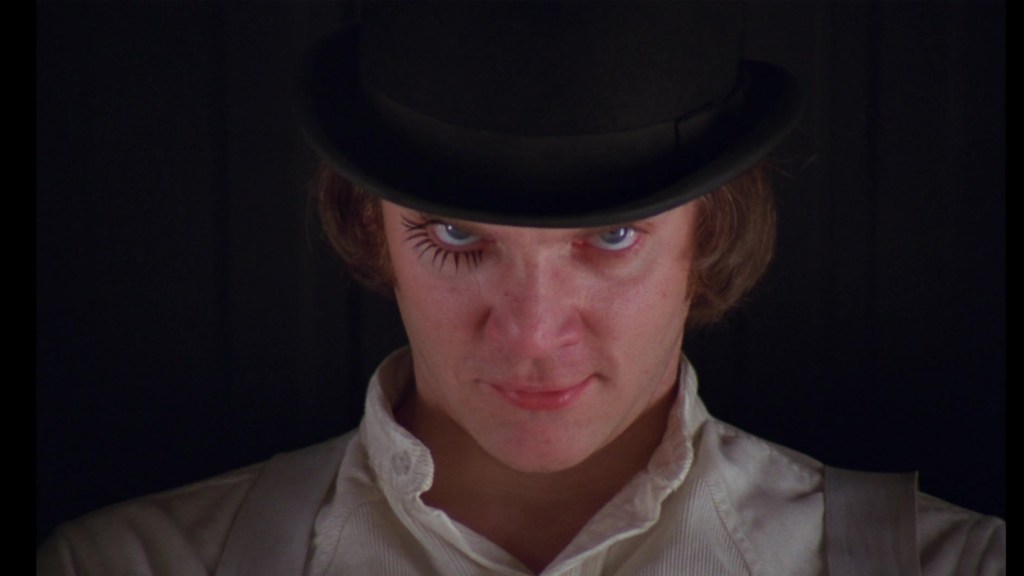
Dr. Strangelove (1964), 2001: A Space Odyssey (1968), A Clockwork Orange (1971), Barry Lyndon (1975), The Shining (1980)
Stanley Kubrick is a rare case in that his entire career could almost be considered a hot streak. However, this particular run of his not only includes a few of the most iconic films of all time but also spans comedy, sci-fi, dystopian crime, period drama, and horror, and rewrites the rules for each genre in the process. His black comedy, Dr. Strangelove or: How I Learned to Stop Worrying and Love the Bomb, was a scathing satire of the Cold War and nuclear arms. 2001: A Space Odyssey incorporated groundbreaking visual effects to bring to life perhaps the greatest sci-fi film ever made.
Transgressive themes of violence and free will were explored in his stylized adaptation of A Clockwork Orange, which sparked controversy but was way ahead of its time. Barry Lyndon used NASA-developed lenses to shoot candlelit interiors that still look incredibly beautiful for his acclaimed costume drama. And finally, The Shining transformed King’s haunted hotel novel into a nightmare featuring an unhinged Jack Nicholson. Though King famously hated it, it’s now one of the most famous and beloved horror films of all time.
Though the unassailable bulletproof hot streak ends there, Kubrick went on to make Full Metal Jacket, considered one of the greatest war films ever made, and Eyes Wide Shut, which has been reevaluated in recent years and is now widely considered a misunderstood masterpiece. There’s a legitimate argument to be made that Kubrick never made a bad film. A once-in-a-generation visionary, his run of five may never be topped.
Which director’s streak would you add? Leave a comment below and join the conversation now in the ComicBook Forum!
Most Viewed
-

Official art by Bastien Lecouffe-Deharme -

A photo of the Retrovolt Arcade taken in 2017, showing several classic arcade cabinets and stools. -
Image courtesy of Tor Books/Macmillan -

Courtesy of Saber Interactive