A hallmark of some of the best movie franchises and why they’ve remained successful and accessible is the ease with which everything in the films makes sense. The Marvel Cinematic Universe is the best example of this, with nearly forty movies and multiple TV shows that intertwine and intersect, and a continuity that doesn’t bend itself into a pretzel to try and make sense. Even the James Bond movies, despite different actors across the decades, share a loose connection that fans can track, and which is sometimes referenced (like in Skyfall).
Videos by ComicBook.com
Then there are some movies that have no real guiding light, no primary creative force that returns with every sequel to make sense of it all. Having a figure like that isn’t always required (the new Planet of the Apes movies still line up in a way where they don’t take anything away from the old ones), but it’s far more noticeable in the franchises that don’t have someone who can steady the ship. As a result, some franchises have reached a point where they’re beyond repair, where new movies can be released, and it truly doesn’t matter if you’ve seen everything that came before it. These are the best examples of movie canon gone awry.
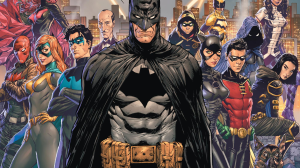
7) Terminator
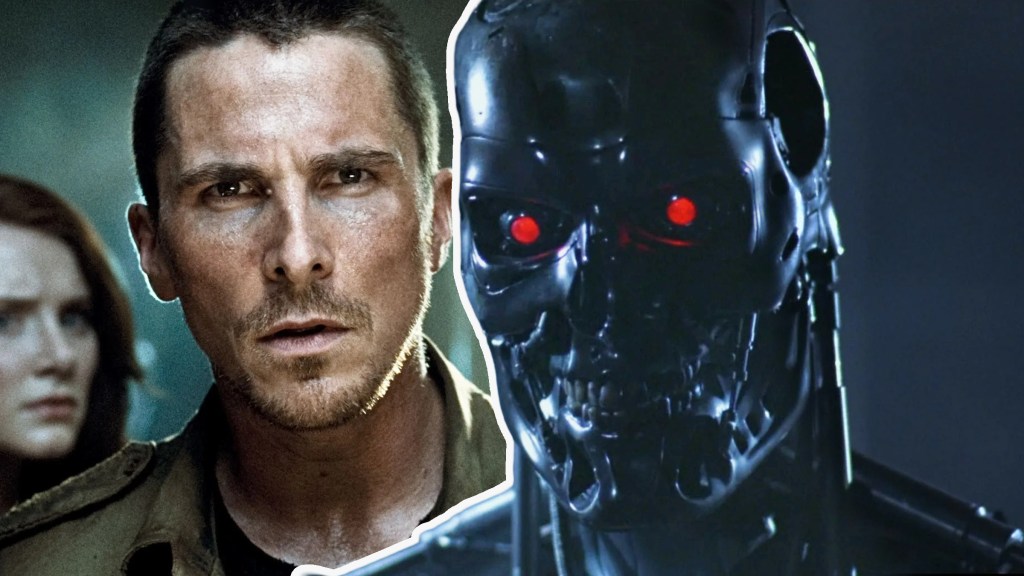
For a time, the Terminator franchise was pretty straightforward, even as the third film arrived without James Cameron (and proved to immediately be the lesser of the entire series) it largely made sense in terms of the timeline of events. In truth, things started to get rocky with Terminator: Salvation, the 2009 film that was set to finally show fans the machine war in the future, only for the depiction of that conflict to be visualized in a completely different manner than how the series had previously treated it (on top of condensing previously revealed lore like John Connor and Kyle Reese’s meeting).
It only got worse from there, though, with the release of Terminator Genisys, the first sequel to ignore some of the follow-ups and act only as a sequel to Terminator 2. After that film was critically reviled and failed to kickstart interest in the franchise, it meant the series had another new timeline with Terminator: Dark Fate in 2019, which followed the same path and pretended only The Terminator and Terminator 2 were canon. As a result, we now have a series with six total movies (plus a TV Series and an anime) where the timeline forks in multiple different directions.
6) Halloween
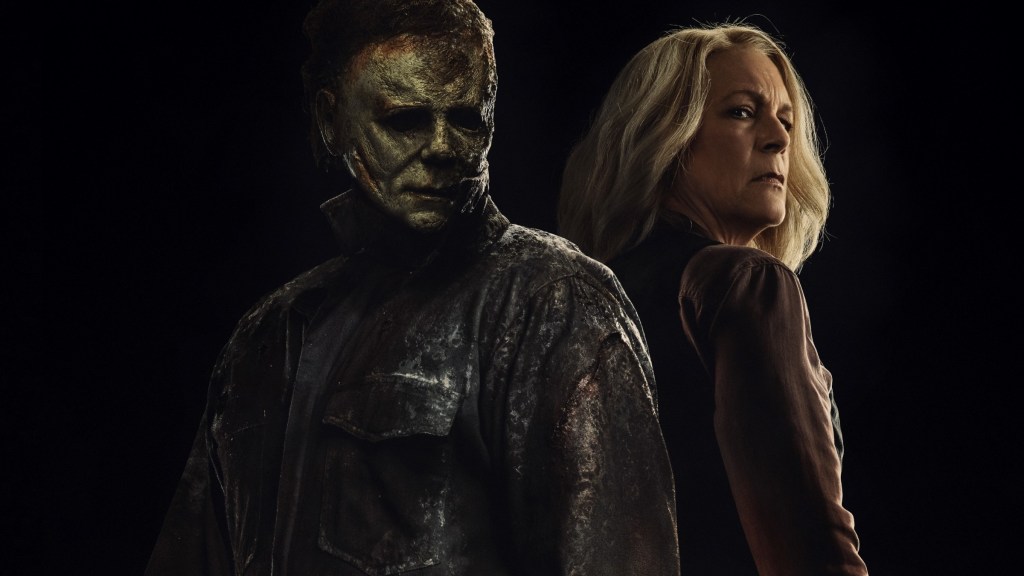
When John Carpenter and Debra Hill gave the world Halloween in 1978, they would have no idea how much they would thoroughly change not only independent film, but also totally alter the place of the horror genre in American culture. They also couldn’t have predicted how much this film, with a relatively simple story, would create a convoluted mess of continuity that has spawned at least five different timelines across all thirteen of its films.
The first timeline of movies that exists across Halloween starts with the first film, and carries on to the second, and concludes with the “Jamie Lloyd trilogy” of Halloweens 4, 5, and 6. Halloween’s second timeline is one that springs out of the events of the second film, ignoring all the others, and continues with the seventh and eighth movies. The third major timeline springs only from the 1978 original, and includes the 2018 revival, plus its two sequels. There are also the two Rob Zombie-directed movies, which have their own continuity.
Finally, the most distinct timeline is Halloween III: Season of the Witch, the film that tried to pivot the series into becoming an anthology, but which also establishes John Carpenter’s Halloween as a movie within the movie. With the 50th anniversary of Halloween just two years away, prepare yourselves for another change to the timeline in the form of another reboot.
5) Godzilla
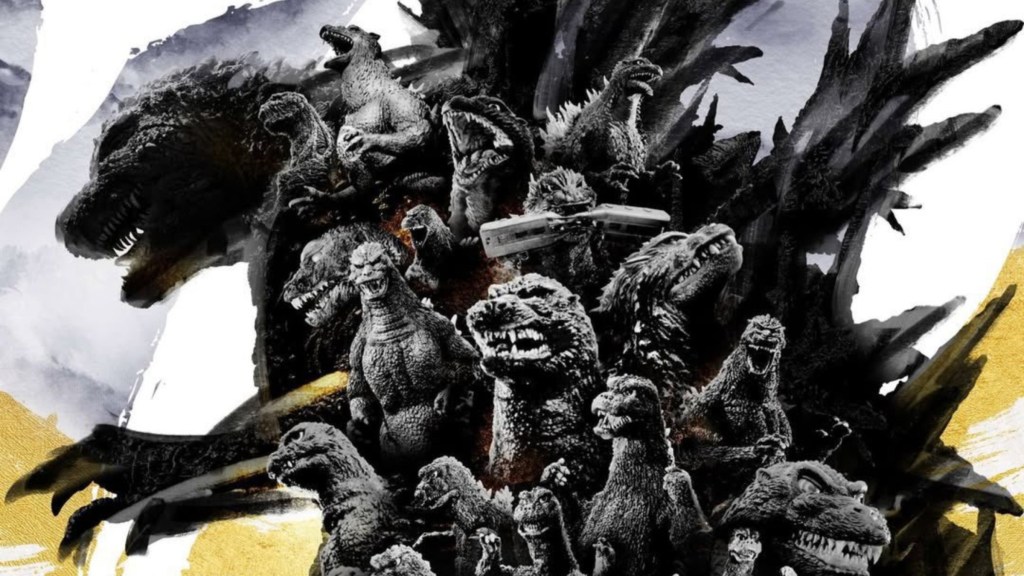
As fashionable as it has become in the past thirty years to ignore certain sequels and springboard from only one movie, Godzilla was truly the trendsetter for it all. Counting only the Godzilla movies themselves and not other Toho movies with kaiju that might appear in his movies, there are thirty-eight total Godzilla films (33 produced by Toho and six produced by American studios), all of which have varying degrees of connectivity. Some films, like Shin Godzilla, are totally standalone, while some movies, like Godzilla vs. Destoroyah, share a continuity with movies going back decades.
To make matters of Godzilla continuity even more confusing, two more films are waiting in the wings with Godzilla Minus Zero and Godzilla x Kong: Supernova both pending release. Those two films alone make a clear delineation that the series has confusing continuity, as neither of them shares anything in common, even though their Godzillas look totally different.
4) Transformers
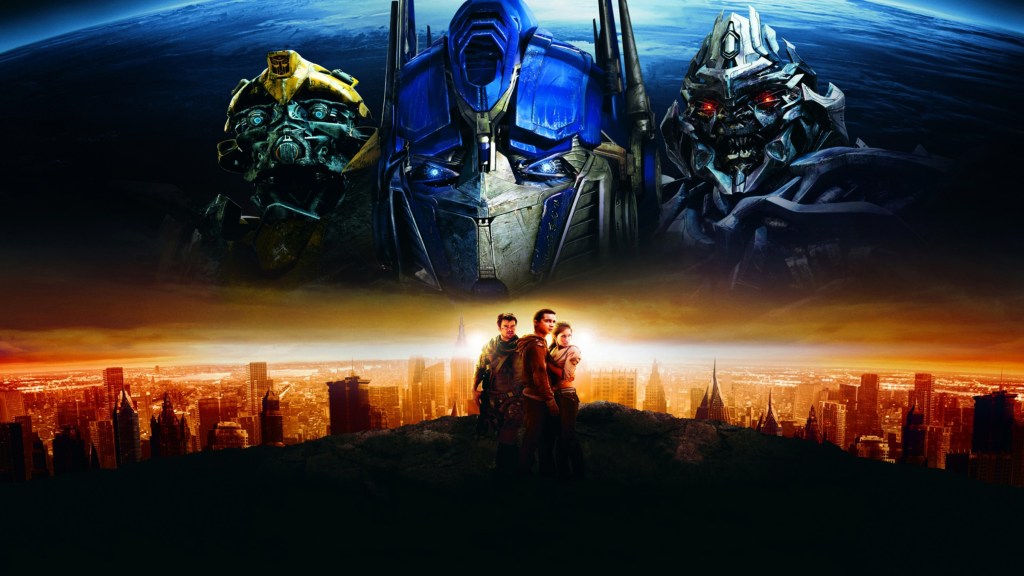
It’s like shooting fish in a barrel to say that the Michael Bay-directed Transformers movies don’t make a lick of sense, but the amount of conflicting elements of the lore that overlap and contradict each other that it’s genuinly hilarious. For the sake of time, we’ll focus on just one: How long have the Transformers known about Earth?
At the end of the first film, Optimus Prime and his fellow Autobots seem satisfied with their new home, having just landed there at the start of the film and also defended it successfully from the Decepticons. The third film in the series, Dark of the Moon, reveals that the seven Primes first came to Earth 17,000 years ago; while the fourth film, Transformers: Age of Extinction, reveals that some Transformers made their way to Earth while dinosaurs still roamed. The fifth film, Transformers: The Last Knight, reveals the insane secret history of some of its characters that contradict this further, revealing that Optimus Prime fought in the Napoleonic Wars and Bumblebee hunted Nazis in World War II. Yes, you read that correctly. Can you make it make sense? No.
3) Cloverfield
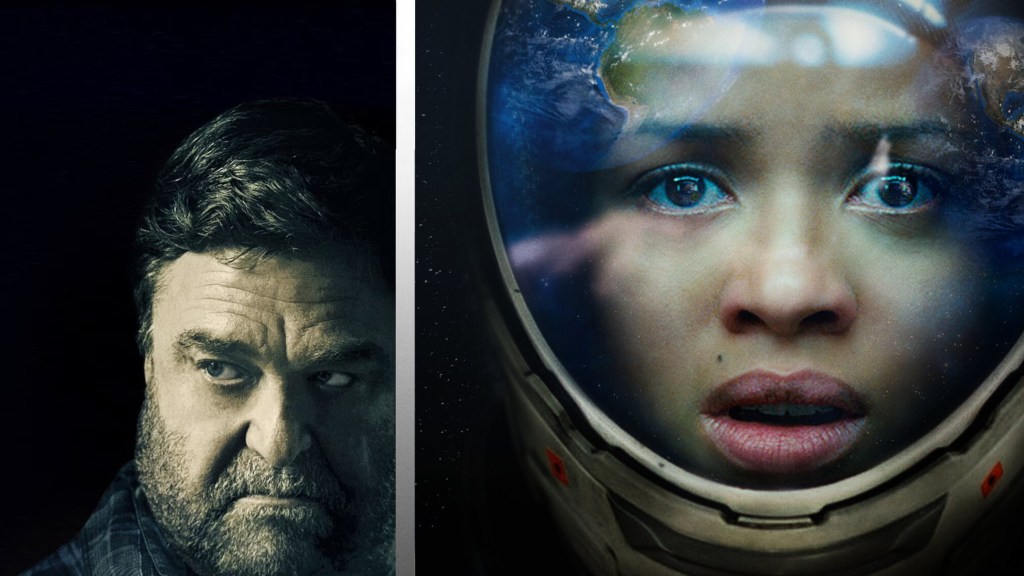
In truth, the Cloverfield “franchise” was always supposed to be one with a loose continuity, one where the name itself was an indicator of what you might be getting with the story rather than revealing the next chapter in a larger narrative. The problem, of course, is that this wasn’t sustainable at a time when connectivity across movies like the MCU was still the template setter for success in Hollywood. As a result, the third film, The Cloverfield Paradox, while still very much its own thing, ended in a way with a way that tried to connect it to the original film. As a result, we have three movies that share a name and almost nothing else in common, except for a big monster.
2) Fox’s X-Men Movies
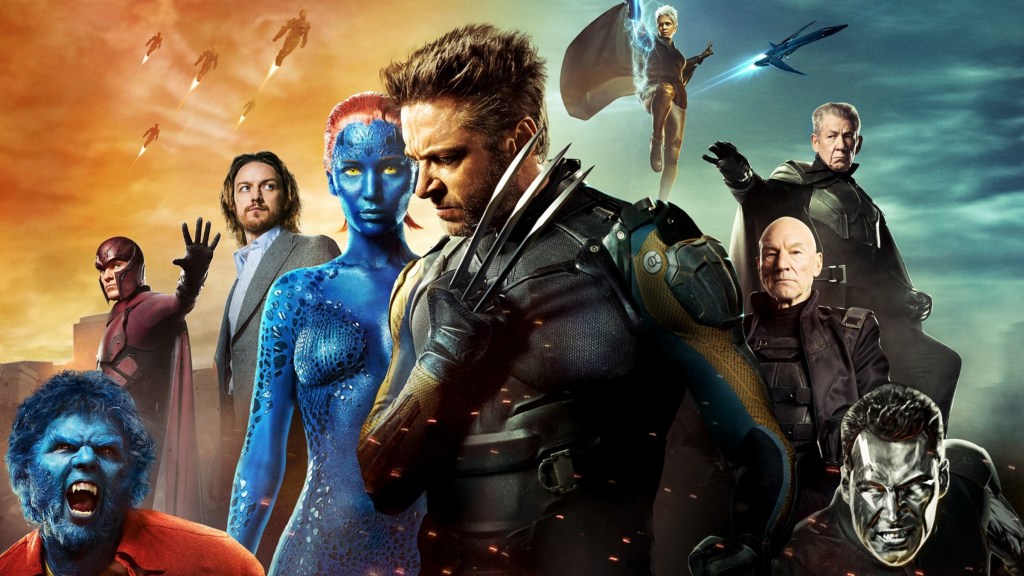
The inconsistencies with the X-Men movies were already quite plentiful when it came to the original trilogy of films, with elements like the origins of mutants and Logan’s backstory redefined and changed with nearly every film. It only got more complicated with the release of X-Men Origins: Wolverine, but it would reach its truly outrageous peak of nonsense with the “reboot” of the series. 2011’s X-Men: First Class could never commit to the idea that they were fully rebooting the series or if it was a continuation, and as a result, completely made the timeline nonsensical with plotholes that turned into mountains once they got to films like Dark Phoenix. Marvel has a high bar to clear with rebooting these characters, and hopefully, they can make things a little cleaner.
1) Alien & Predator
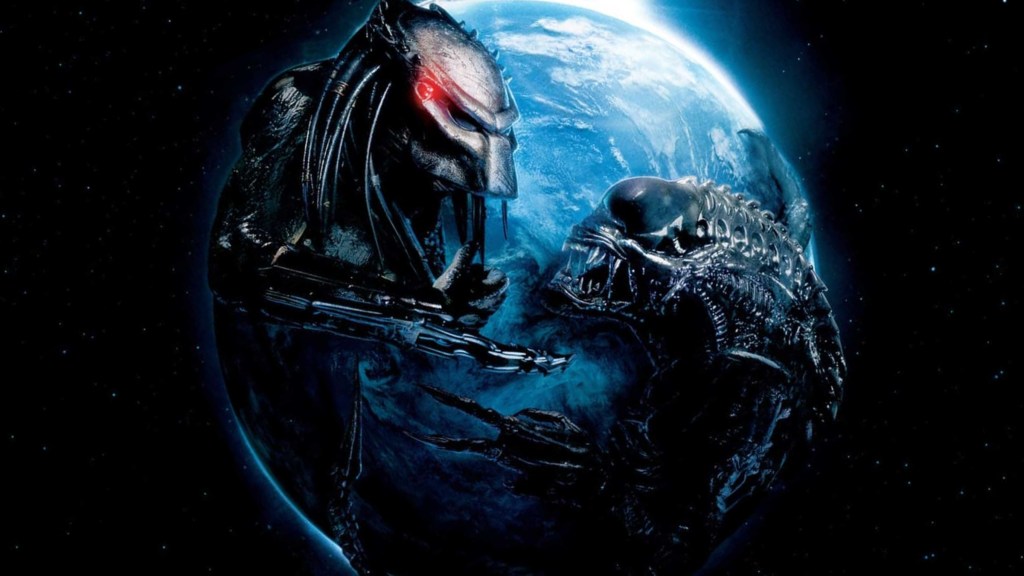
This one is a twofer, as we not only have two franchises whose larger lore makes very little sense on their own, but to make matters worse, they’ve crossed over multiple times and made things even more complicated.
To start with just the Alien series, the films largely make sense canonically, but the prequel films Prometheus and Alien: Covenant make the origins of the title beasts incredibly confusing, and that’s before we factor in last year’s hit TV series, Alien: Earth. On the flipside, Predator has very loose connections across its films, meaning that the lore itself largely doesn’t matter beyond “alien hunters come to Earth sometimes.” There are some inconsistencies, though, like when was the first time they arrived.
Finally, combining these two movies with the Alien vs. Predator films has proven catastrophic for both series. The films not only establish that ancient civilizations on Earth were used as breeding grounds for Xenomorphs thousands of years before they even existed, but also imply that the test many Predators have to endure in order to be fully initiated is in hunting them on Earth, a fact disputed by other Predator movies before and since. All of that is to say that we have two franchises with seven movies each, plus two crossover films, and truthfully, it doesn’t matter what order you watch them in, thanks to how convoluted it all is.
Most Viewed
-

Courtesy of Sony Pictures Animation / McDonald's -

Image Courtesy of TMS Entertainment -

Image via Prime Video -

Courtesy of TOHO Animation -

Courtesy of Crunchyroll