The fantasy genre offers filmmakers an unparalleled canvas for creativity, allowing them to construct entire universes where the laws of physics are merely suggestions and magic is a tangible force. Audiences flock to these films because they promise an escape from the mundane, offering a glimpse into worlds filled with impossible creatures and epic quests that mirror our own human struggles on a grander scale. When a studio gets the formula right, the result is a cultural phenomenon. However, the ambition required to bring these stories to life also creates a high margin for error. A single misstep in casting, a rushed script, or an overreliance on visual effects can turn a promising concept into a cinematic disaster that leaves viewers frustrated by what could have been.
Videos by ComicBook.com
There is nothing more disappointing than watching a movie with a fascinating premise, a talented cast, and a massive budget slowly collapse under the weight of its own incompetence. These films are tragic examples of wasted potential that squandered opportunities to launch new franchises or redefine the genre. Instead of becoming classics, they serve as cautionary tales for future filmmakers about the dangers of prioritizing spectacle over substance.
7) Mortal Engines
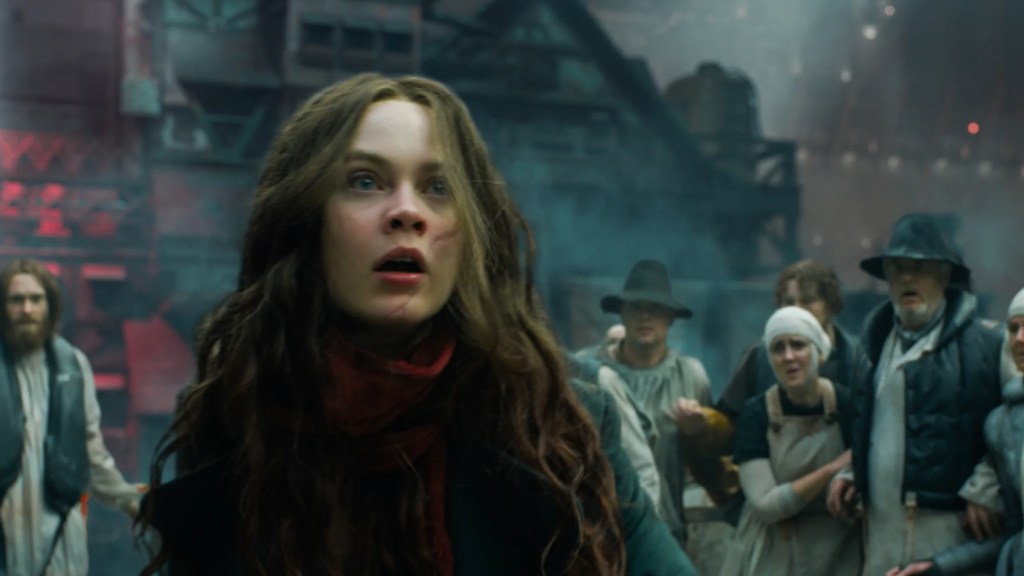
The opening sequence of Mortal Engines features a massive, mobilized London chasing down and devouring a smaller mining town, a visual so striking that it promised a revolutionary sci-fi fantasy epic. The film is based on the novel by Philip Reeve and introduces the concept of Municipal Darwinism, a predator-prey ecosystem where cities on wheels hunt each other across a post-apocalyptic wasteland. This premise offered a fresh alternative to the standard dystopian tropes, replacing zombies and plagues with diesel-punk metropolises engaged in high-speed vehicular combat.

The world-building of Mortal Engines is undeniably spectacular. Unfortunately, the narrative engine stalls almost immediately after the title card drops. The film forces Hester Shaw (Hera Hilmar) and Tom Natsworthy (Robert Sheehan) into a generic Young Adult plot that feels ripped from a dozen other less interesting movies. Plus, instead of exploring the fascinating politics of traction cities or the history of this mechanical society, the script rushes through a by-the-numbers revenge story involving a superweapon. Hugo Weaving does his best to chew the scenery as the villain, but even his charisma cannot salvage a story that refuses to let its unique setting breathe.
6) The Brothers Grimm
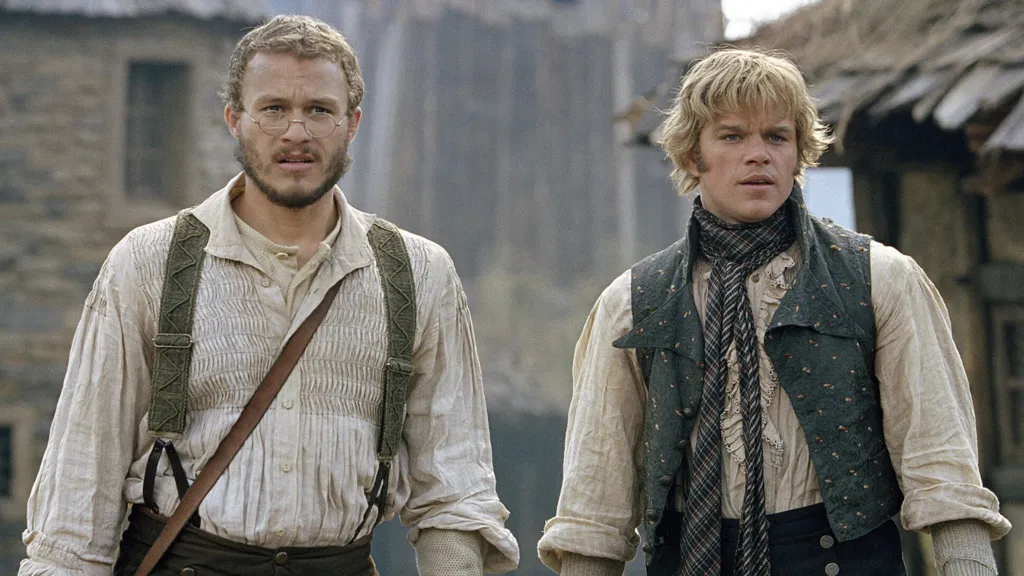
On paper, The Brothers Grimm sounds like a guaranteed masterpiece. You have the visionary director Terry Gilliam at the helm, a script that reimagines the famous folklorists as 19th-century con artists, and a cast led by two of the biggest stars of the 2000s. The film follows Will Grimm (Matt Damon) and Jacob Grimm (Heath Ledger) as they travel from village to village, staging fake exorcisms to swindle superstitious locals until they encounter a genuine magical curse. The idea of skepticism clashing with real enchantment is a strong narrative hook, and the production design captures the gothic atmosphere that Gilliam is famous for creating.
The execution of The Brothers Grimm fails because the movie never decides what it wants to be. The movie oscillates wildly between slapstick comedy, genuine horror, and action-adventure without ever finding a cohesive tone. The production was notoriously plagued by conflicts between Gilliam and the studio, resulting in a compromised final product that feels messy and unfocused. While Ledger and Damon have decent chemistry, they are often lost amidst chaotic editing and underwhelming CGI creatures. As a result, The Brothers Grimm takes a clever revisionist history concept and buries it under a pile of noise, leaving the audience wishing for the sharper version of the film that likely exists in a parallel universe.
5) Inkheart
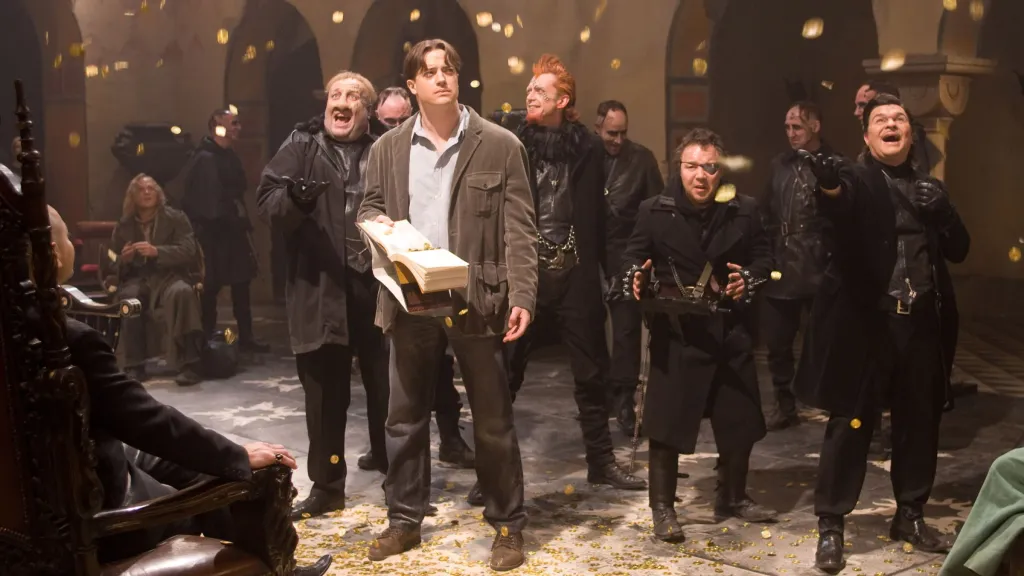
For book lovers, the premise of Inkheart is the ultimate fantasy fulfillment. Adapted from Cornelia Funke’s best-selling novel, the story centers on a “Silvertongue,” a person with the magical ability to bring characters out of books and into the real world simply by reading aloud. The film stars Brendan Fraser as the Silvertongue Mo Folchart as he frantically searches for a way to send a villain back into the pages while dealing with the consequences of his power. It is a meta-narrative about the power of storytelling, featuring a strong supporting cast that includes Paul Bettany as the fire-eater Dustfinger and Helen Mirren as a bibliophile aunt.
Despite the rich source material, the film adaptation of Inkheart feels remarkably flat and devoid of wonder. For starters, the movie rushes through the complex plot points of the novel, stripping away the emotional depth and character development in favor of generic fantasy set pieces. In addition, the magic system, which should feel dangerous and unpredictable, is reduced to a convenient plot device that solves problems with little consequence. Inkheart fails to capture the love of literature that defined the book, transforming a soulful story about the relationship between reader and text into a forgettable family adventure movie that disappeared from memory almost as soon as the credits rolled.
4) Bright
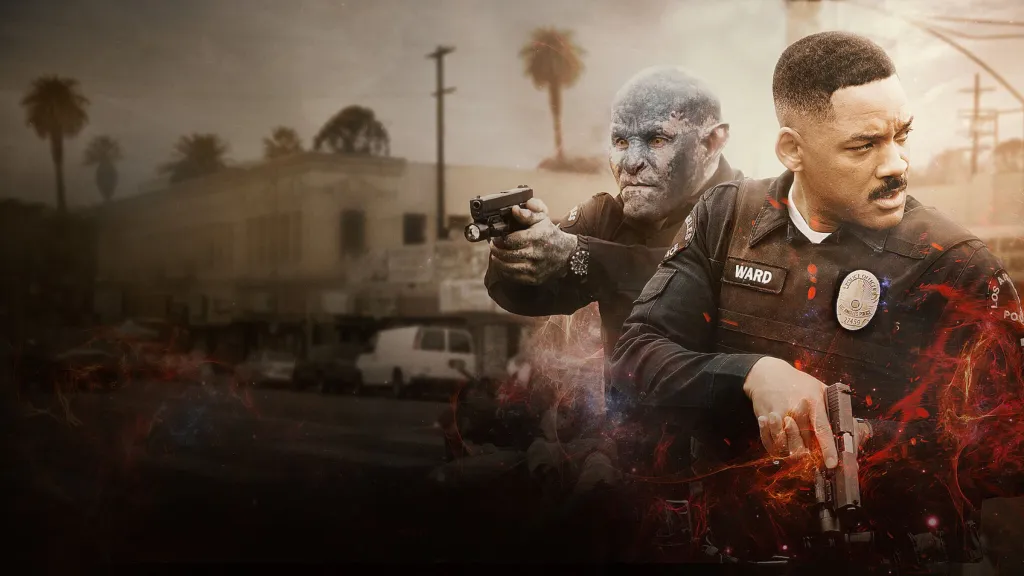
Netflix attempted to disrupt the blockbuster model with Bright, a high-concept thriller that mashes up a gritty Los Angeles cop drama with high fantasy lore. The film establishes a world where orcs, elves, and fairies have coexisted with humans for millennia, creating a modern society rife with species-based tension. In this world, Daryl Ward (Will Smith) is a veteran officer forced to partner with Nick Jakoby (Joel Edgerton), the first Orc to join the police force. The concept of using fantasy races as an allegory for real-world racial tension and police corruption is ambitious and offered a chance to do something truly original with the buddy-cop genre. Yet, the film wastes this intriguing setup on a screenplay that lacks nuance or wit.
Bright hammers the audience with heavy-handed metaphors and clunky dialogue that explains the world’s history rather than showing it. Then, the plot devolves into a generic quest for a magic wand, ignoring the fascinating sociological implications of its own setting. While the makeup effects for the Orcs are impressive and Smith brings his usual star power, the movie is a tonal mess that takes itself far too seriously. Bright is a prime example of a great elevator pitch that nobody knew how to write, resulting in a film that is somehow both bizarre and boring.
3) Clash of the Titans
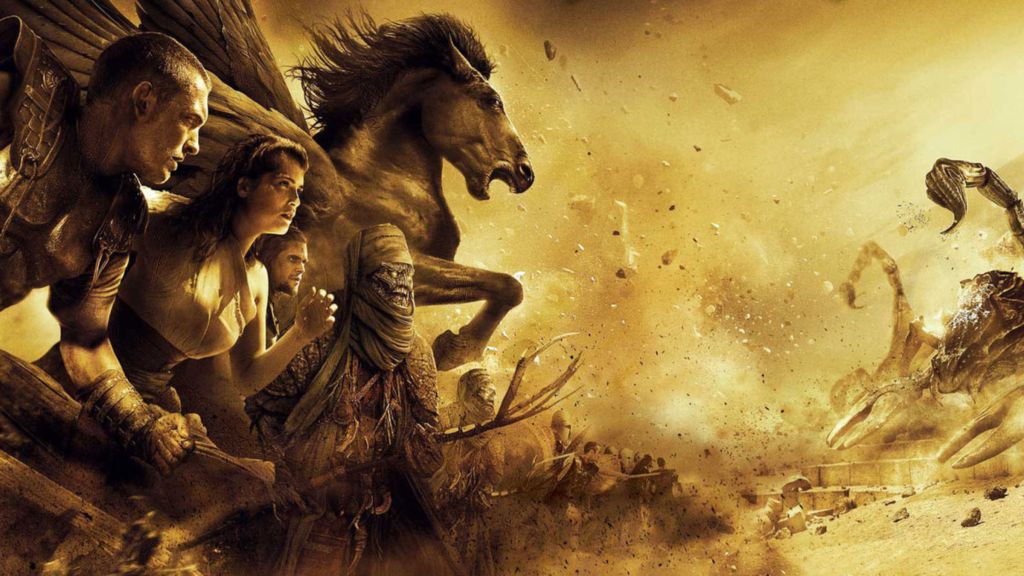
Greek mythology is one of the oldest and most resource-rich storytelling wells in human history, yet Hollywood consistently struggles to adapt it effectively. For instance, the 2010 remake of Clash of the Titans aimed to update the 1981 cult classic with modern visual effects and a grittier tone. The film follows the demigod Perseus (Sam Worthington) as he battles medusae, giant scorpions, and the Kraken to save the city of Argos. With a cast that includes Liam Neeson as Zeus and Ralph Fiennes as Hades, the movie had the acting firepower to deliver a Shakespearean take on the relationships between gods and men.
Instead of an epic tragedy, audiences received a mindless video game cutscene disguised as a film. Clash of the Titans is infamous for its rushed, post-conversion 3D that made the action sequences blurry and unwatchable in theaters. Beyond the technical failures, the script strips Perseus of any personality, turning him into a generic buzz-cut soldier who hates his divine heritage for reasons the movie barely explores. The film also ignores the grandeur and complexity of the myths it borrows from, reducing the Olympian gods to shiny figures in armor who stand around delivering exposition. In short, Clash of the Titans turns a timeless legend into a disposable action flick.
2) Gods of Egypt

Gods of Egypt takes the prize for being one of the most bafflingly misguided blockbusters of the 21st century. The film attempts to turn the Egyptian pantheon into a superhero franchise, depicting the deities as 12-foot-tall golden beings who can transform into metallic armored beasts. The story follows the thief Bek (Brenton Thwaites) as he helps the blinded god Horus (Nikolaj Coster-Waldau) reclaim his throne from the usurper Set (Gerard Butler). The concept of an Ancient Egypt where gods walk among mortals is visually distinct and could have provided a unique alternative to the Greek and Norse mythologies that dominate pop culture. Unfortunately, the execution of Gods of Egypt is a disaster on every conceivable level.
The film was rightfully panned before it even opened, for casting predominantly white actors to play African deities, a decision that alienated audiences immediately. Once the movie starts, it assaults the viewer with an overuse of green screen and garish CGI that makes the environment look like a laser tag arena. Finally, the plot is an incoherent fetch quest that drags on for over two hours, lacking any sense of stakes or character logic. In the end, Gods of Egypt took a rich mythology and turned it into an expensive joke that pleased absolutely no one.
1) The Last Airbender
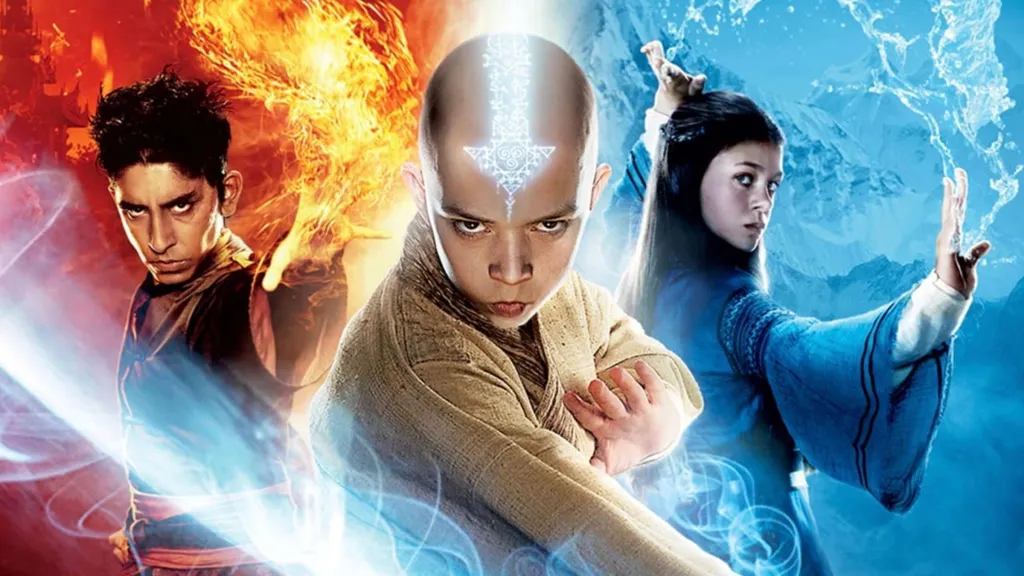
There is no greater example of a wasted opportunity in the fantasy genre than The Last Airbender. The source material, Avatar: The Last Airbender, is widely considered one of the greatest animated series of all time, offering a perfect blend of martial arts, spiritual philosophy, and complex character arcs. The story of Aang (Noah Ringer), the young Avatar who must master four elements to stop the Fire Nation, is a hero’s journey that rivals Star Wars or Harry Potter in its potential for cinematic greatness. Plus, the live-action adaptation had a built-in fanbase and a rich world ready for the big screen.
Director M. Night Shyamalan’s The Last Airbender managed to get almost everything wrong, creating a film that feels like it was made by someone who actively despised the cartoon. The movie sucks the joy and humor out of the story, replacing the show’s vibrant energy with monotone exposition scenes. The casting of Prince Zuko (Dev Patel) and the other characters ignored the cultural influences of the original world, while the acting across the board is stiff and unnatural. Furthermore, the action sequences are sluggish, with the elemental bending effects looking weak and uninspired compared to the dynamic animation. The Last Airbender is a lesson in how to destroy a beloved property, serving as a painful reminder that recognizing a great idea is not the same as understanding it.
Which fantasy movie that wasted a great idea deserves a second chance with a better creative team? Leave a comment below and join the conversation now in the ComicBook Forum!
Most Viewed
-

Official art by Bastien Lecouffe-Deharme -

A photo of the Retrovolt Arcade taken in 2017, showing several classic arcade cabinets and stools. -
Image courtesy of Tor Books/Macmillan -

Courtesy of Saber Interactive