Slytherin, in the world of Harry Potter, is framed as one of Hogwarts’ four houses and one of the school’s oldest identity systems. It is supposed to gather students who value ambition, cleverness, self preservation, and a certain strategic mindset.
Videos by ComicBook.com
It also carries a heavy historical shadow because its founder’s ideals became tangled with elitism and blood politics, and that reputation echoes through the school culture long after the original conflict. That is all interesting on paper. The problem is that once you take Slytherin seriously as a real house in a functioning school, a bunch of things stop adding up.

5. Cunning… or Just Cruel?
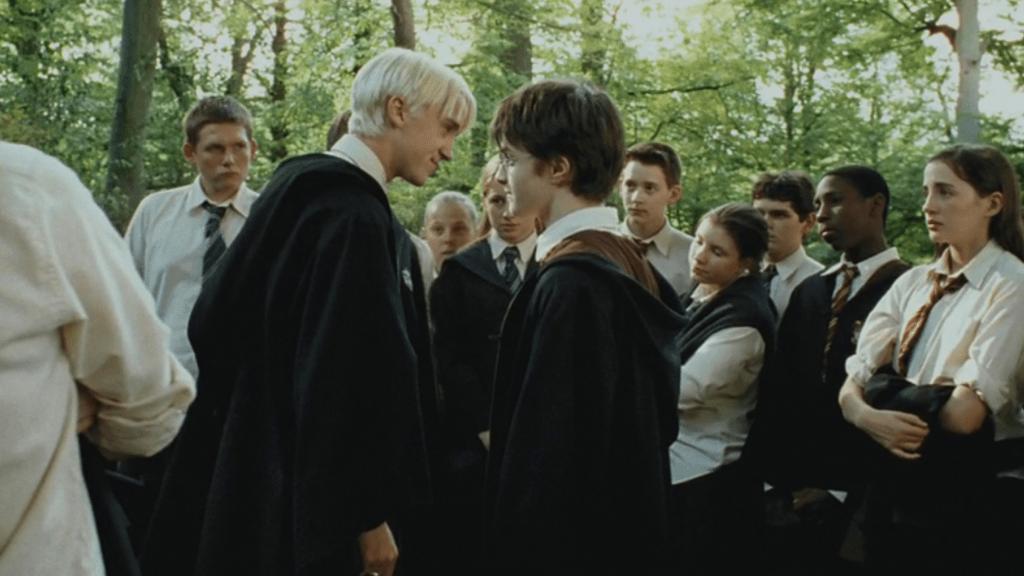
Slytherin House values ambition, resourcefulness, and determination, and the Sorting Hat frames those traits as legitimate paths to greatness. Yet the series repeatedly shows Slytherin students choosing the least subtle, most self-incriminating version of “cunning”: loud cruelty in public spaces where teachers, prefects, and portraits can all witness it. Draco Malfoy’s behavior in Philosopher’s Stone and Chamber of Secrets is the obvious example, but the broader pattern holds… Slytherin frequently looks less like strategic self-interest and more like a club that rewards performative nastiness.
It creates a weird mismatch between the House’s stated identity and its on-page behavior. If students are supposed to be calculating, then humiliating classmates in the middle of corridors and classrooms makes no sense as a default social style. Even when Slytherin students have institutional advantages, like a Head of House who is protective of them, that still does not explain why so many pick the most visible, reputation-damaging approach. Ambition usually involves image management, alliances, and knowing when to keep your mouth shut, and Slytherin often reads like it forgets that.
4. The Slytherin Bubble
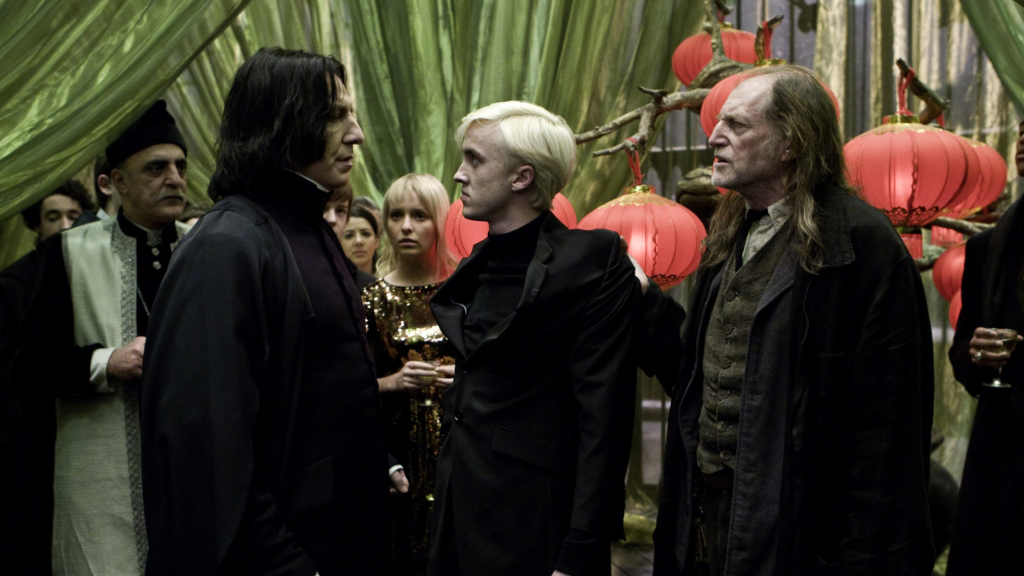
Hogwarts students share classes, meals, common spaces, extracurriculars, and an entire castle designed to make them run into each other constantly. On top of that, inter-House friendships are clearly possible and common: Gryffindor-Ravenclaw, Gryffindor-Hufflepuff, and even friendships that cut across years and backgrounds. Despite that, Slytherin is written as a near-sealed social unit, as if the House operates in a separate school with separate norms and separate peer pressure.
That level of isolation strains believability, especially because Slytherin students would have practical incentives to build networks. Ambition thrives on connections, and Hogwarts is basically a conveyor belt into the Ministry, Gringotts, and influential families. Yet the books mostly present Slytherin socializing as inward-facing, with little interest in collaborating beyond their circle unless it is to needle someone. If the House produced shrewd, future-focused students, you would expect more bridge-building, more quiet cross-House alliances, and more people who treat school rivalries as childish noise.
3. Sorted Into a Bad Rap
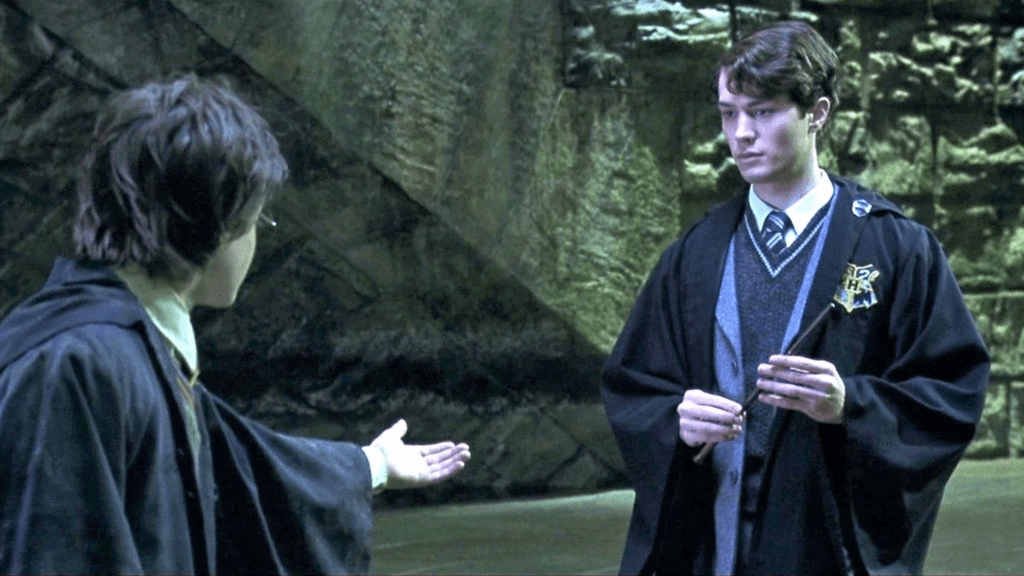
By the time Harry arrives, Slytherin already carries an ugly reputation. Ron repeats the line that “there’s not a single witch or wizard who went bad who wasn’t in Slytherin,” and while that statement is not literally true, it reflects the school’s mood. The Hat also knows this history, knows that Slytherin’s founder prized blood purity, and knows the Chamber of Secrets legend circulates at Hogwarts. Then it continues sorting 11-year-olds into that environment, guaranteeing that many will be judged before they speak.
That is where it stops making sense as a system that claims to nurture potential. Sorting on traits can easily become a self-fulfilling prophecy when one category gets branded as the “future dark wizard” dormitory. Put kids into a House everyone distrusts, give them a tradition of antagonism, and you should expect defensiveness, cliquishness, and radicalization to spike. The Hat occasionally acknowledges it might be making mistakes, but Hogwarts never seems to seriously address the structural problem. A school that knows one House is widely feared and resented should either reform how Houses function or actively counter the stigma, not just shrug and keep feeding the machine.
2. Pure-Blood Logic Crash
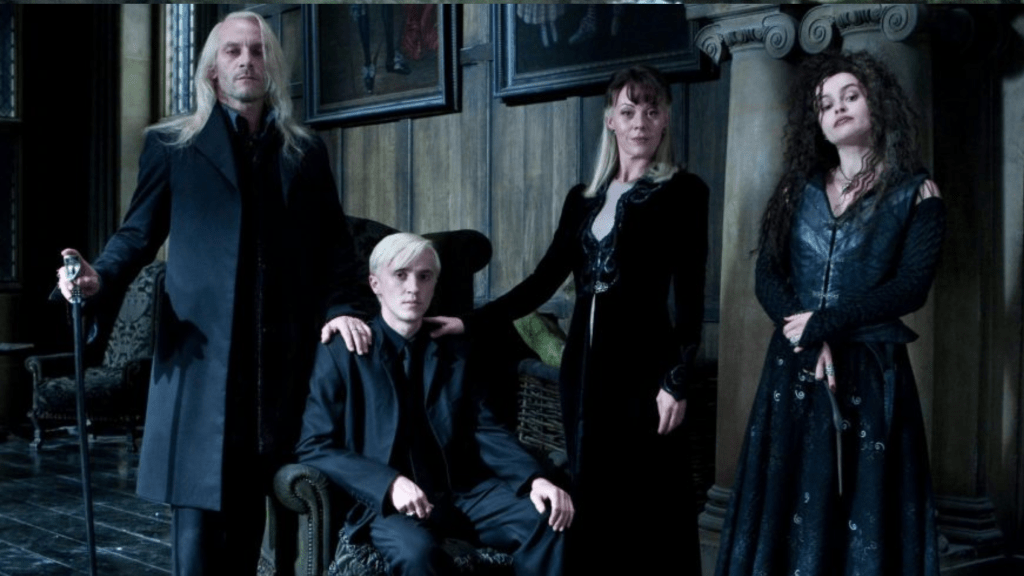
Slytherin’s identity in the books leans hard on ancestry: old families, pure-blood prestige, and disdain for Muggle-borns. Yet even within canon, that worldview does not line up neatly with reality. The books establish that Muggle-born witches and wizards keep appearing, that “pure” bloodlines are historically tangled, and that many families who posture as pure-blood have complicated genealogies. Rowling also makes clear, through characters like the Weasleys, that pure-blood status does not automatically map to social power or moral authority.
So why does the ideology remain so dominant inside one quarter of the student body, generation after generation, without more visible internal dissent? Hogwarts is not a private finishing school for a single clique… it is the main educational institution for British wizarding children. You would expect the social math to change as students mingle, date, and make friends across background lines. You would also expect some ambitious Slytherins to notice that prejudice is a political liability outside extremist circles, especially after Voldemort’s first fall. Yet the House’s culture stays stuck in a mode that should be self-defeating for anyone who genuinely wants influence in a society that has to function after the war.
1. A House, A Security Risk
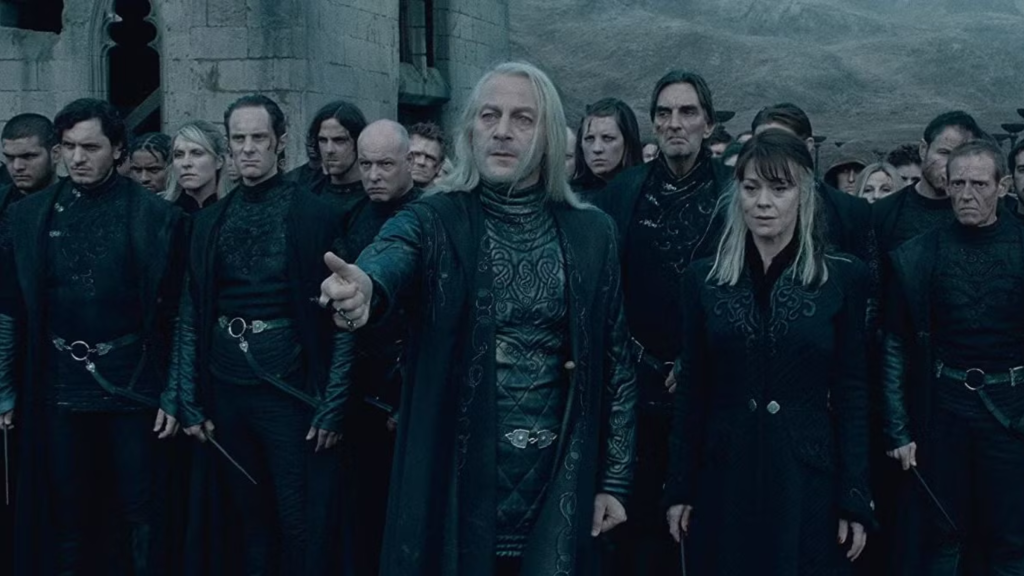
This is the big one, because it is not only social… it is operational. Slytherin’s historical association with Dark wizards is not just a rumor in the later books. Voldemort was a Slytherin, many of his followers came from prominent Slytherin families, and during the Second Wizarding War, Slytherin’s pipeline to Death Eater ideology becomes a tangible danger. Students like Draco are not merely unpleasant classmates; Draco is tasked with a mission that endangers the entire school in Half-Blood Prince, and he uses Slytherin’s environment as cover while the institution fails to catch it in time.
Then the Battle of Hogwarts sharpens the question. In Deathly Hallows, the Slytherin table reacts to Harry’s return with hostility, Pansy Parkinson calls for him to be handed over, and the House is ultimately sent away from the Great Hall. Even if you interpret that moment carefully… it does not mean every Slytherin is a collaborator, but it does confirm the staff expects a serious enough risk to remove them as a group. That is a brutal indictment of Hogwarts’ long-term management: if you reach a point where one House is treated as a security problem in a war, something has been rotten for years. The confusing part is why the school never implements sustained reforms earlier, when warning signs have been visible since Tom Riddle’s era and flared again during Harry’s time.
What do you think? Leave a comment below and join the conversation now in the ComicBook Forum!
Most Viewed
-

Image Courtesy of Netflix -

Courtesy of Crunchyroll / Sony Pictures