At the turn of the century, superhero movies saw an uptick in popularity thanks to successes like X-Men and Spider-Man, but the genre truly became a significant force in pop culture with the genesis of the Marvel Cinematic Universe. After The Avengers became a record-breaking box office smash, comic book adaptations became all the more prevalent. The 2010s were marked not just by the continuing evolution of the MCU, but also other attempts to replicate the shared universe formula (like the DC Extended Universe). While many of these projects achieved success, inevitably, the topic of “superhero fatigue” became a hot talking point — especially as the likes of Marvel and DC are now in the business of making TV shows for streaming services. Those involved with the franchises are aware of the feeling, but they bring a unique perspective to the conversation.
Videos by ComicBook.com
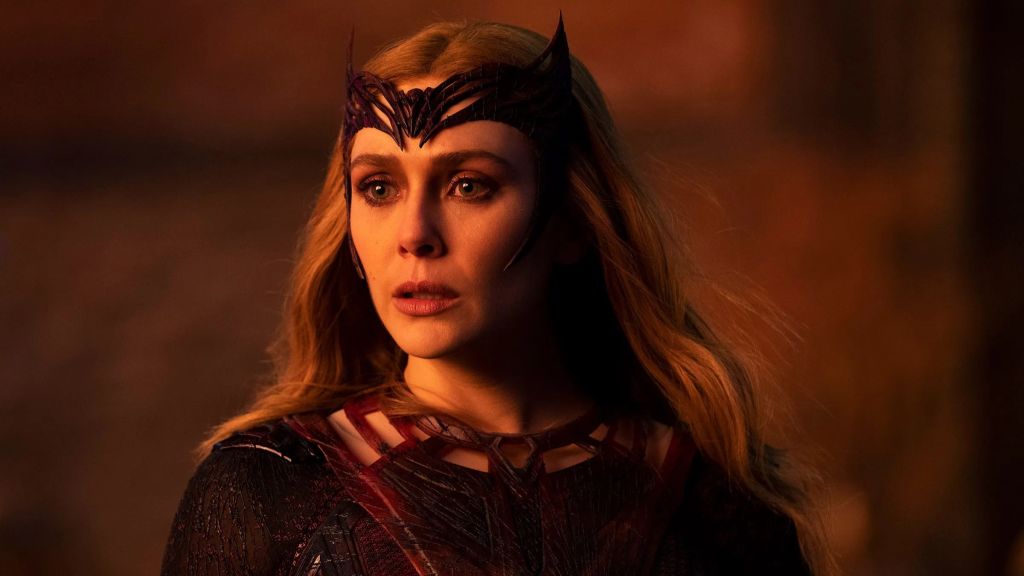
During an appearance at the Hamptons International Film Festival (via People), MCU star Elizabeth Olsen shared her thoughts on being part of the franchise. “It’s really fruitful, and the stories have only gotten better for me, my character. I really enjoyed it,” she said. “Some people have ongoing television series that they get to return to. Very few, I feel like, get to be a part of franchises that, I know we might culturally get a little bit exhausted by, but there is something about them that becomes very familial. There’s nothing else really like it, and I don’t know that I’ll have [that] again unless it’s for an ongoing show. I do like that kind of consistency. It feels good. I mean, job security feels nice — I think we can all agree on that.”
How Marvel Is Combating Superhero Fatigue
Superhero fatigue isn’t just some buzz term coined by critics; even Marvel is aware that it over-extended itself following the advent of Disney+. Kevin Feige realized it had become too much like homework for people to keep up with the ever-growing list of MCU projects, so he has started to implement necessary changes, scaling back on the franchise’s output. That means fewer movies and TV shows, giving fans an opportunity to miss the MCU and build hype and anticipation for the next project. After Marvel had a rough year at the box office, the hope is favoring quality over quantity will lead to better results moving forward.
Olsen’s comments on her experience with the franchise could hold the key for Marvel to get back on track. Moving forward, it’s going to be extremely important to tell the kinds of high-quality, entertaining narratives that defined the Infinity Saga. Captain America: Brave New World didn’t underwhelm at the box office because it was a superhero movie; it earned mixed reviews and disappointed people from a storytelling perspective. There’s still an audience for comic book adaptations; it was only a year ago Deadpool & Wolverine grossed over $1 billion worldwide. The trick is to find a great hook to draw audiences in, using the rich history of the source material to find fresh angles that haven’t been explored on screen before.
Olsen earned an Emmy nomination for her work on WandaVision, so it’s possible for Marvel to craft films or TV shows that are creatively satisfying. WandaVision felt unique within the framework of the larger MCU because of its distinct episode structure, with each outing paying homage to different eras of sitcoms. That helped it stand out and demonstrate what was possible in the TV format. Having a clear vision for what a project is trying to accomplish can go a long way in making it land with an impact. Marvel has significantly altered its TV strategy moving forward, prioritizing long-form series with multiple seasons (like Daredevil: Born Again) over miniseries that introduce a bevy of characters who then vanish.
These franchises aren’t going away any time soon. The MCU is getting a soft reset after Avengers: Secret Wars and is already planning its next big saga. The DC Universe has only just begun and has several fascinating projects in various stages of development. In order to remain viable, combating the superhero fatigue phenomenon is a must, and it seems like both are being proactive about that (DC Studios is targeting just 1-2 movies per year, reportedly). As a new era of comic book adaptations begin, it will be interesting to see how the filmmakers illustrate that there’s still plenty of fertile ground left to tap into. Olsen has some ideas of her own (an adaptation of the controversial House of M storyline), so if she’s sticking around in the MCU, Feige might be inclined to hear her out.
What do you think? Leave a comment below and join the conversation now in the ComicBook Forum!
Most Viewed
-

Image courtesy of MAPPA -

Image courtesy of Daybreak Game Company