Doctor Who‘s Disney+ era has come to an end. The world’s longest-running sci-fi TV show, Doctor Who has struggled for almost a decade now. Ratings dropped during Chris Chibnall’s time as showrunner, and the BBC negotiated a co-production and distribution deal with Disney in the hopes of breathing new life into the franchise under Russell T. Davies. Unfortunately, Doctor Who‘s Disney+ partnership fell through after just two seasons and a single spinoff.
Videos by ComicBook.com
Appropriately enough, all attention is now focused on the future. Ratings may be lower now, but Doctor Who remains one of the BBC’s most important properties, and the BBC’s Chief Content Officer, Katie Phillips, has already confirmed that Doctor Who is going nowhere. But how can the BBC revive this ailing franchise? Surprisingly, the answer lies in looking back to the past.
This Isn’t the First Time Doctor Who Has Hit Problems
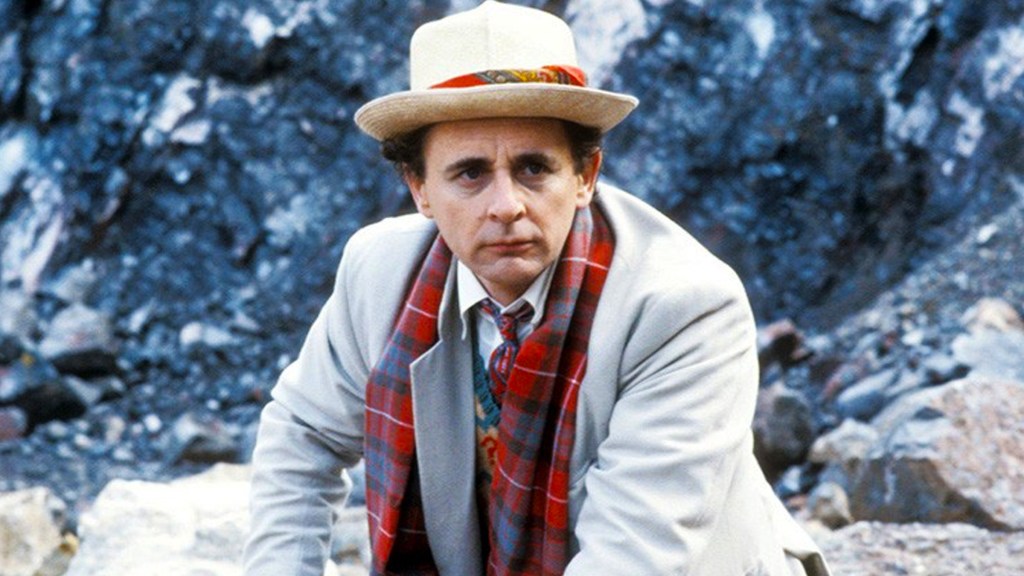
Doctor Who launched in 1963, and it continued until 1989 – when the TV show was cancelled by the BBC, who felt it couldn’t compete with bigger-budget sci-fi franchises like Star Wars and Star Trek. But the Doctor could not be cancelled, and Doctor Who flourished in other mediums. In 1991, Virgin launched the popular “New Adventures” range, continuing the story of Sylvester McCoy’s Seventh Doctor and his companion, Sophie Aldred’s Ace. It didn’t take long for Virgin to launch a companion “Missing Adventures” range.
Sometimes known as the Wilderness Years, this was actually a time when Doctor Who began to boldly reinvent itself. Virgin (and, later, the BBC) became known for deeper, more character-focused stories that dared to evolve the Doctor and his companions, sometimes in unexpected and dramatic directions. Although each story was designed to stand alone, they swiftly embraced the opportunity offered by weaving an overarching narrative through each tale, building up to major “event books.” Some novels were penned by writers from the show, while other new fans reveled in the chance to continue the Doctor’s adventures.
Russell T. Davies was a fan of these Doctor Who novels, and he learned some key lessons from them when he initially relaunched the franchise in 2005. Davies initially focused on overarching character arcs, both for the Doctor and companions like Rose Tyler and Martha Jones; he followed the “New Adventures” format by carefully weaving a single story through every episode, one that build to a head in the series finale. Payoff was inconsistent, but there was always a strong sense of momentum. Davies wasn’t shy about acknowledging his inspiration, even adapting one Virgin novel in a two-part adventure.
Doctor Who Has Forgotten the Lessons of the Wilderness Years

Viewers were initially excited when Davies returned as showrunner, operating with a bigger budget than ever before thanks to the partnership between the BBC and Disney. Oddly, though, Davies appeared to forget so many of the lessons of the Wilderness Years. The Virgin books had been notable for conflict between the Doctor and his companions, using their clashes to develop character arcs, but Davies neglected this; there were promising signs from Varada Sethu’s Belinda Chandra, but her disagreements with the Doctor were swiftly forgotten.
Even more frustrating, though, Davies fumbled his overarching story arcs. Many viewers proposed alternate viewing orders for Season 14, helping to create a stronger narrative flow, and that really shouldn’t be possible when the story is supposed to be building towards a climax. Doctor Who Season 15 had a clearer narrative flow in theory (it was driven by a desperate quest to get back to Earth), but the individual stories felt seriously disjointed.
There was, unfortunately, one lesson Davies recalled from the Wilderness Era this time round. During that period, Doctor Who had naturally been aimed at hardcore fans, meaning there had been an emphasis on continuity and returning villains. Davies resisted the urge to imitate this in 2005, but he seemed unable to do so during his second run, bringing back forgotten villains like the Celestial Toymaker and Sutekh – monsters who had no meaning to anyone bar the most committed Whovians. It meant the Davies era failed to draw in new viewers, who were simply left confused by references they didn’t care about.
If Doctor Who is to flourish, then the franchise needs to look once again at its Wilderness Era reinvention. It’s essential that the right lessons are learned; the importance of character arcs, conflict, and overarching narratives, handled effectively so the stories build to a head. Meanwhile, the mistakes also need to be acknowledge and learned from as well. As is so often the case, the past is the key to Doctor Who‘s future.
What do you think? Leave a comment below and join the conversation now in the ComicBook Forum!
Most Viewed
-
Image courtesy of MAPPA -

Image courtesy of Daybreak Game Company