There are countless TV shows out there, but only a handful manage to create characters so essential that it’s almost impossible to imagine the story without them. And when you realize that this level of impact doesn’t even come from the protagonist, but from a side character, that’s when things reach another level. Some character–audience connections are carefully planned, after all, viewers are usually meant to relate to and root for the central figure of a story. But sometimes, it’s about the one who shows up out of nowhere, as if the narrative itself has to bend around their presence. The Walking Dead had that. Across eleven seasons filled with highs and lows, one thing remained consistent: the audience’s affection for Daryl Dixon.
Videos by ComicBook.com
No one ever expected a character like him to become such a massive fan favorite, especially since anyone familiar with Robert Kirkman’s original comics knew Daryl didn’t even exist there. He was created exclusively for the TV show and started stealing the spotlight almost immediately. But it wouldn’t be fair to credit that success to the writing alone, because a huge part of the audience’s response came from Norman Reedus, his interpreter, who turns 57 today.
How Norman Reedus’ Daryl Dixon Became the Fan Favorite of The Walking Dead

It’s funny to think that, at some point during The Walking Dead‘s first season, the producers looked at Reedus — who showed up to audition like anyone else — and, even though he wasn’t the right fit for the role he tried out for, they still didn’t want to let him go. During the casting process, the actor originally auditioned to play Merle, the aggressive, explosive, deeply problematic character. But he impressed the producers so much that they decided to create an entirely new role just for him: Merle’s brother. Daryl made his debut in the third episode of Season 1, “Tell It to the Frogs,” as a rough, taciturn survivor, a skilled hunter and tracker — and at first glance, he looked like the kind of secondary character who could easily be killed off at any moment (which, depending on fan reception, was very much on the table). But that’s not how things played out, largely because of Reedus himself.
The actor has said that in the early days of production, there was no guarantee Daryl would survive long-term. The character was created so spontaneously that there wasn’t even a planned arc beyond a handful of early episodes. Everything was uncertain back then. What happened instead was that fans started to gravitate toward him because Reedus made Daryl feel real, grounded, and human; an antihero who, unlike his brother, clearly had room for growth, empathy, and change. That approach was later detailed in a Collider interview, where Reedus explained how he built the character from the ground up.
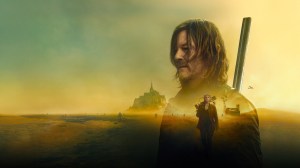
Because Daryl had no pre-existing blueprint, Reedus chose to build him based on his own personal experiences. Compared to the rest of the cast, he hadn’t done Comic-Cons or press junkets before, didn’t know many people on set yet, and wasn’t entirely sure how everything worked. He leaned into that feeling and treated Daryl as a genuine outsider — someone who wasn’t afraid of confrontation and reacted purely based on how he perceived others’ behavior. Early on, that manifested through his anger over what happened to his brother being handcuffed on a rooftop, which is something Reedus used to give Daryl a permanent chip on his shoulder. Over time, as the story evolved, that resentment softened into flashes of vulnerability and emotional depth.
Reedus actively helped shape the character without stripping away the mystery and roughness that made him feel human. In the end, audiences connected with Daryl because he was complex (often more so than many of the show’s other characters). “As the seasons progressed, I slowly would square up to you and talk to you face-to-face. I was either going to fight you like that, or I was going to have a real conversation. But that’s something that stuck with me all along,” Reedus shared. “Even now, if there’s a scene that makes me uncomfortable or makes Daryl not in his element, I kind of come sideways at you. I kind of go back to that.”

At the start, Daryl was just the quiet hunter — the kind of character you weren’t sure you could trust. He wasn’t a traditional hero and didn’t give inspiring speeches, but he had authenticity, and in a world where everyone is just trying to survive, and no one is really safe, that goes a long way. He was never locked into a single, shallow archetype. Even when it wasn’t obvious, there were always traces of loyalty, empathy, and humanity beneath the tough exterior. On top of that, Reedus has a natural charisma that doesn’t rely on standard leading-man appeal (which can easily become tedious). He consistently translated those qualities into body language, creating a character who communicates volumes without saying much at all.
What makes it even more remarkable is that he didn’t exist in the original story, yet it’s impossible to imagine The Walking Dead without him. That sentiment reached its peak with the fan-adopted slogan: “If Daryl dies, we riot.”
How Daryl Dixon Changed The Walking Dead Forever

The most fascinating part of Daryl’s evolution on The Walking Dead is how his popularity ended up reshaping the series itself. In the end, he wasn’t just a supporting character who grew in importance; he actively changed writing decisions. He avoided death entirely, absorbed storylines originally assigned to other comic characters, and was given major arcs of his own: from his relentless search for Sophia in Season 2, to his imprisonment and torture at the Sanctuary, to his isolated journey after Rick’s apparent death. He also became the emotional core of the show in many moments, with his bond with Carol standing as the clearest example.
Reedus turned what could have been a disposable role into a guiding force for the entire narrative. And even when the group is left without a clear leader, Daryl becomes a key figure and a point of reference for the survivors, stepping into highly decisive roles whenever necessary. It’s rare for an actor to have that much influence over an already established universe, and even rarer for that influence to result in a spin-off entirely dedicated to the character: The Walking Dead: Daryl Dixon.
The Walking Dead didn’t stay relevant for so long solely because of Daryl, but it’s not an exaggeration to say he played a major role in sustaining its popularity. There were no expectations placed on him, yet he naturally became an icon (almost synonymous with the show itself). It’s hard to picture the series without him because of what Reedus brought to the role: layers, subtlety, and consistency. That’s why, even among so many standout characters, Daryl remains the one who most strongly connects audiences to the story, besides carrying the show through its roughest periods (and The Walking Dead had plenty of those). The existence of multiple spin-offs today speaks to the franchise’s enduring audience, and that audience exists because the story still holds weight. That weight comes from characters like him.
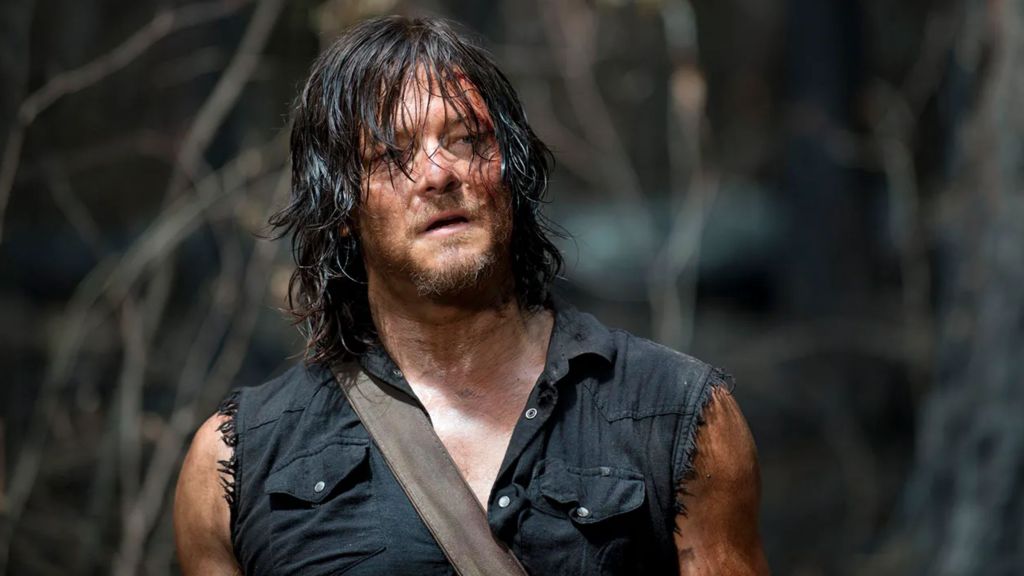
Daryl Dixon is a rare case in modern television: an original character, never intended to be a protagonist, who became an icon. And despite all the changes The Walking Dead went through over the years, just as the series itself became a benchmark for post-apocalyptic storytelling, Daryl became a benchmark for survivor characters. If the zombie series is still remembered so fondly by both fans and critics, part of that legacy comes from the impact Daryl had on the narrative and on audience perception.
Reedus didn’t just create a massively popular character — he redefined what it means to be a protagonist. You don’t have to be the most talkative, the most likable, or the most carefully planned to be essential. Sometimes, being real, layered, and unpredictable is enough. That’s exactly what makes Daryl a TV legend and Reedus an unforgettable actor.
What do you think of Norman Reedus’ performance? Is Daryl your favorite The Walking Dead character? Leave a comment below and join the conversation now in the ComicBook Forum!
Most Viewed
-

Official art by Bastien Lecouffe-Deharme -

A photo of the Retrovolt Arcade taken in 2017, showing several classic arcade cabinets and stools. -
Image courtesy of Tor Books/Macmillan -

Courtesy of Saber Interactive