Brandon Sanderson’s Mistborn is one of the defining fantasy books of the 21st Century, and it uses one of the genre’s oldest tropes in a genius way to catch the reader off-guard. The first book in what would become a series, set within Sanderson’s “Cosmere” universe, saw Vin, Kelsier, and other members of their crew banding together to defeat the Lord Ruler. The author invents many of his own rules for the story, including a detailed, structured magical system, but it was something much more traditional that led to one major plot twist,Kelsier’s death.
Videos by ComicBook.com
I’ll admit that this is simply something I did not see coming when reading the book, even if there are signs to it once you know. I knew Mistborn was the first installment in a trilogy, and so I thought Kelsier would be there throughout, likely until closer to the end of the third novel (and, to be fair, I thought the same of the Lord Ruler). And yet, Kelsier’s death is a big trope: the hero’s mentor dying at the end of a story, in order to advance their own journey and ability to defeat the Big Bad.
This has, of course, long been around in storytelling and mythology in a way that pre-dates modern literature, and the mentor archetype formed part of Joseph Campbell’s The Hero of a Thousand Faces, but in terms of modern fantasy, it largely (as most things do) traces back to J.R.R. Tolkien’s The Lord of the Rings, and in this case, Gandalf.
Kelsier In Mistborn Was A Different Kind Of Mentor Death
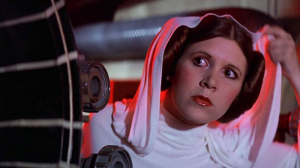
Gandalf ostensibly died facing the Balrog at the end of The Fellowship of the Ring, and while he returned, he was changed, and his death still served the same function. We’ve seen this throughout works of fantasy and Sci-Fi since, with some of the most notable being Obi-Wan Kenobi in Star Wars, and Albus Dumbledore in Harry Potter and the Half-Blood Prince. This has led the archetype to so often be associated with the old wizard-type character, so much so that, in Kelsier’s case, I didn’t spot the signs.
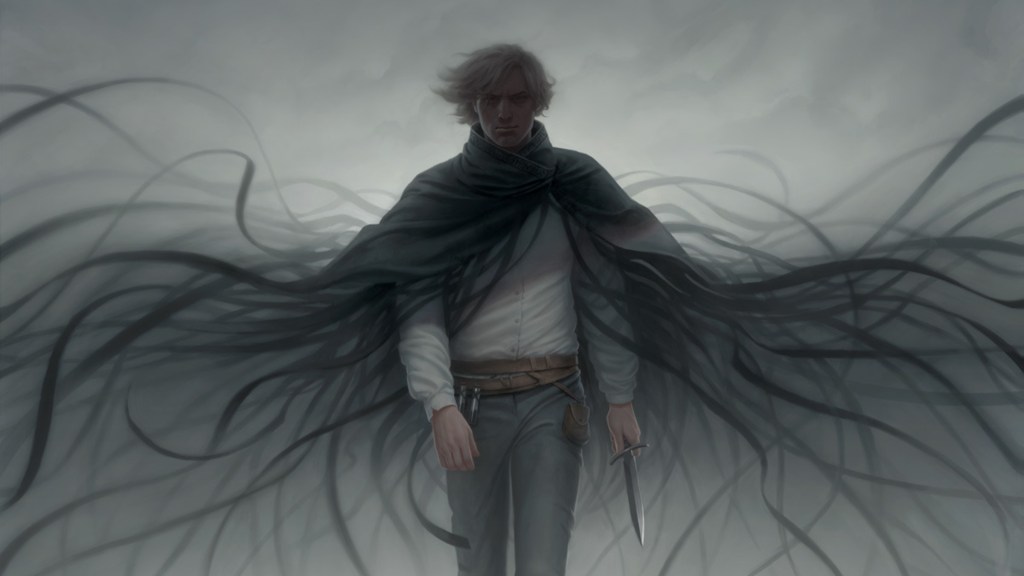
Mistborn quite cleverly flips between Kelsier and Vin as its viewpoint characters, to the degree that they seem like co-protagonists. While it’s undoubtedly Vin’s hero’s journey that we’re going on, the presentation does make it seem as though they’ll be together for a much longer time. And more specifically, in Kelsier’s case, is the fact that he isn’t an old man. Perhaps he is to Vin, but he’s not really old; he’s 38, and, given the way he defeats the Steel Inquisitor in the moments before his death, is only beginning to reach the true peak of his powers.

The age, appearance, and positioning as a viewpoint character all obfuscates the truth of Kelsier’s role, making his death land as such a major shock. It’s a pivotal turning point in the saga, and while the ramifications of killing the Lord Ruler are greater, it was Kelsier’s death that rocked me even more. It’s a genius bit of work from Sanderson, and what’s even more surprising to me is that it almost didn’t happen… because he thought the trope made it too obvious. In his Mistborn Annotations, he wrote:
“Honestly, you should have seen it coming. I worried about doing this, actually, since it seemed a little too expected. The mentor figure always ends up getting killed. I nearly didn’t do it simply for that reason. However, I eventually decided that a good story is more important, sometimes, than avoiding the expected. Once in a while, you just have to do what feels right, even if that feeling leads you into areas that others have tread. Hopefully, I take it in my own direction.”
Suffice to say, Sanderson completely pulled it off in a way that was nowhere near as predictable as he expected. Either that, or I’m just an idiot (and they’re not mutually exclusive things, to be fair). Kelsier’s death was brilliant, bold, and while it was sad to lose him (and you do feel his absence in the next book just in terms of readability, because he’s so compelling to follow), it was definitely the right call.
What do you think? Leave a comment below and join the conversation now in the ComicBook Forum!
Most Viewed
-

Official art by Bastien Lecouffe-Deharme -

A photo of the Retrovolt Arcade taken in 2017, showing several classic arcade cabinets and stools. -

Image Courtesy of Paramount