The streaming boom is over, and Netflix‘s Season 2 problems aren’t going away. 2025 was the year when peak streaming died, with Andor creator Tony Gilroy openly calling streaming “dead” and the Duffer brothers saying they don’t believe anything like Stranger Things can ever happen again. Surprisingly, that statement wasn’t rooted in ego; it reflected their belief the industry has changed. Naturally, that makes for big problems at Netflix.
Videos by ComicBook.com
It’s important not to exaggerate these; Netflix is still growing, only at a smaller rate. Still, Bloomberg has just published a fascinating assessment of how Netflix’s second seasons are dropping massively:

It’s easy to explain away individual cases; Beef is an anthology series, so the seasons may not be comparable. Still, the trend is clear, and Netflix is doing worse than any competitors (House of the Dragon‘s viewership dropped just 8% between seasons 1 and 2). What’s going on with Netflix?
Netflix’s Entire Streaming Model Is Failing
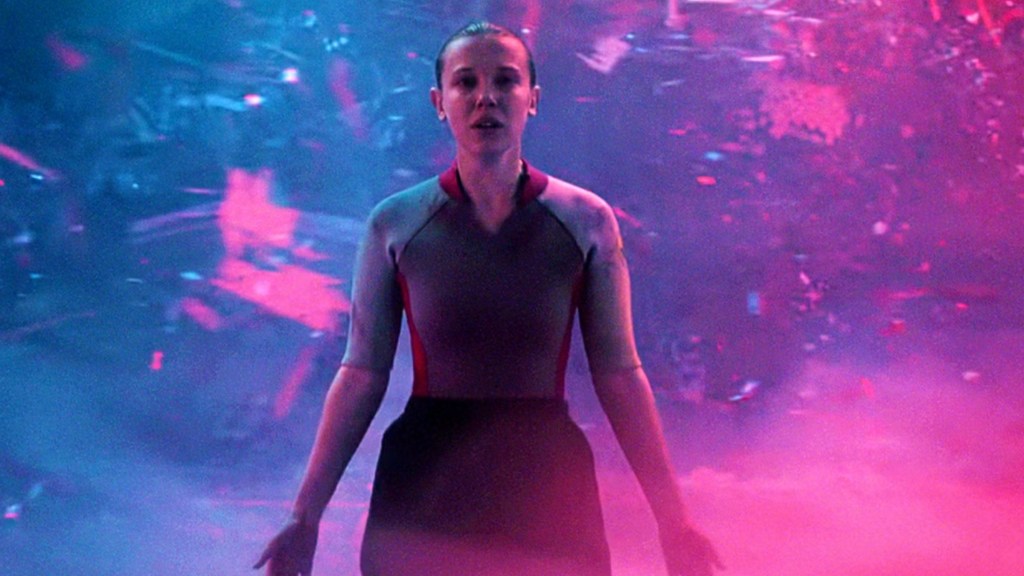
Over on social media, the common Netflix complaint is that there’s too large a gap between seasons. That’s undeniably a factor; there’s no way two or three year gaps between seasons aren’t having an effect. But competitors aren’t seeing comparable drops, even when there are similar multi-year gaps between seasons. What’s more, Bloomberg‘s analysis includes shows from different genres that don’t take as long to make, such as Running Point and Beef. I think production time is probably part of the problem, but only a contributory factor rather than the main issue.
It helps to take a step back and compare Netflix to competitors that aren’t experiencing second-season drops on this kind of scale. There’s one key difference; precious few of these competitors have adopted Netflix’s binge model for TV shows, only using that sporadically (Disney+, for example, used it for the MCU shows Wonder Man and Echo). Weekly drops encourage consistent, longer-term engagement, and mean a show trends for longer. It has much more chance of becoming a breakout hit, because viewership continues through a show’s lifetime rather than peaking in the first fortnight or so.
Put the two problems together, and you have a perfect storm: Netflix releases are sporadic and unpredictable, meaning viewers don’t actually know when Season 2 of a show is even due to come out in the first place. The binge release model means their impact is concentrated; if a potential viewer misses marketing, hype, or online chatter over just a single weekend, they may not even know the second season has dropped. I work in this industry, and I’ve had occasions where I was taken by surprise to learn Netflix had dropped Season 2 of a show I loved.
Netflix is actually trying to fix this with its major releases, but it’s resulting in a strange incoherence on the streaming platform. Major shows like Wednesday and Stranger Things Season 5 are now split into multiple drops, with a few weeks inbetween. It’s a strange halfway-house between traditional weekly drops and the binge release model, and it suggests even Netflix believe the full-scale binge model is sometimes holding their shows back. Netflix execs have tried to argue they just do whatever feels best for the show itself, but it’s hard not to roll your eyes at that line.
Netflix Needs a Whole New Model
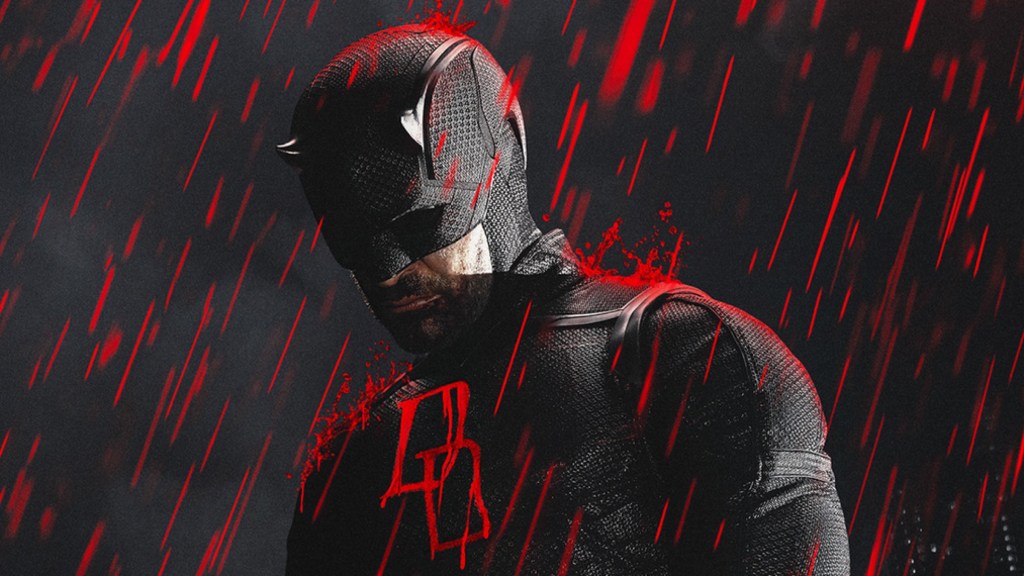
Competitors are increasingly trying to reduce the gap between seasons, or at least ensure new seasons drop in a predictable rhythm; over on Disney+, Marvel’s Daredevil: Born Again and X-Men ’97 both stand out as annual releases, and Lucasfilm appears to have been working on Maul – Shadow Lord Season 2 before the critically-acclaimed first season even aired. Netflix has already begun to correct, stepping up early renewals for shows like Virgin River and The Night Agent. Remarkably, Bridgerton Season 5 will drop in 2027, just a year after Season 4.
This isn’t always possible, though. Some of Netflix’s fantasy shows require an extended period in post-production; that’s why Wednesday seems likely to stick with bi-annual releases. But note that, even for Wednesday, Netflix appear to be trying to establish an actual release pattern. This should help, because it will mean viewers know just when to expect more from the show they love.
But I don’t think this will entirely deal with Netflix’s Season 2 problem. The issue runs deeper, to Netflix’s trademark binge model itself. Competitors clearly don’t feel this is consistently attractive, only following that approach on occasion. Netflix would be wise to finally pivot away from binge releases, going for weekly drops or more sophisticated hybrid models. This would give second (and, indeed, first) seasons more time to find their footing, securing their place in pop culture.
What do you think? Leave a comment below and join the conversation now in the ComicBook Forum!
More TV Shows
-

Smallville S5 episode "Thirst", depicts Lana Lang as a vampire -

Courtesy of Amazon MGM Studios