The times are changing for Netflix, with the streaming giant planning to buy Warner Bros.’ film and TV studios. Just a few months ago, Netflix boss Ted Sarandos insisted that his company has always been “more builders than buyers,” and he claimed there was no plan in the works to fundamentally change the playbook. Even then, though, there were subtle hints that left many convinced Netflix was about to make a bid for Warner Bros.
Videos by ComicBook.com
Netflix has indeed confirmed a “definitive agreement” to acquire Warner Bros., including its film and television studios, HBO Max, and HBO. It’s important to note the deal is far from complete, because it will be subject to approval from regulators on a global stage. Should it go ahead, though, the Bank of America has already declared that the streaming wars will effectively be over. Netflix, already a dominant force in the streaming industry, will stand triumphant.
Netflix’s Library Will Be Bigger Than Ever

Ironically, Netflix is following the Disney playbook. Back in 2019, Disney purchased Fox in large part because of a desire for a larger library of content; the House of Mouse understood that a successful streamer needs to have a lot of different movies and TV shows on it to compete. Netflix has traditionally combined Netflix Originals with licensed properties, but now will gain a library of already well-established franchises – includes the likes of Harry Potter, James Gunn’s DCU, and Game of Thrones – without needing to pay any license costs. It’s a fundamental shift in Netflix’s operating model.
The Bank of America consider this to be a “crown jewel” asset. It takes time to build major franchises, and the end of Stranger Things leaves Netflix with a billion-dollar hole in future plans; hopes that Wednesday would be the next Stranger Things were dashed due to a 43% decline in Season 2’s viewership. Should this deal be approved, Netflix will instantly gain access to a wide range of top-tier franchises, ranging from existing shows and films to projects that are in the works (such as the Harry Potter reboot).
Netflix is better positioned than any other competitor to make the most of this content library, too. The streaming giant depends on data to offer recommendations to subscribers, based in large part on their viewing history. When this data-driven approach works, it means subscribers are constantly presented with a TV show or film they haven’t seen before, one carefully chosen because of their past viewing habits. Competitors depend on search and navigation to help subscribers access their vast libraries, but Netflix can make the most of it from day one.
Netflix Will Dominate the Streaming Industry at a Time of Change
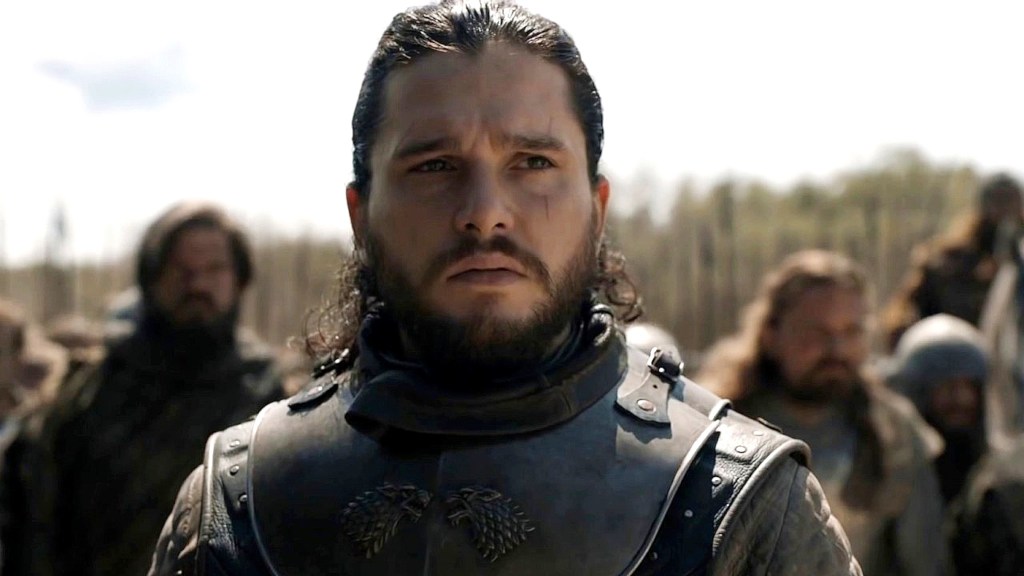
Netflix is buying Warner Bros. at a time of change for the entire streaming industry. The streaming bubble has burst, and competitors are dramatically reducing their output; Disney has cut both Marvel and Star Wars streaming TV shows over the last year, fearing brand dilution, with studios pivoting back towards theatrical. Earlier this year, Andor showrunner Tony Gilroy explained why he doesn’t believe there will ever be anything like his series again; he struggled to get the budget he needed for Season 2 because Disney bosses believed “streaming is dead.”
The comment was probably exaggerated, but it’s certainly true that the age of big-budget streaming shows has come to an end. In this context, most industry analysts have assumed the next couple of years will see a reduction in the number of streamers, with some shutting down and others consolidating. Netflix’s Warner Bros. acquisition fits this pattern perfectly, because HBO Max will be folded into the streamer’s own library. According to JustWatch, Netflix would account for over 20% of the US streaming market, giving the streaming giant an untouchable lead over remaining competitors – who they can’t afford to acquire Warner Bros. in their stead.
It’s Time for Netflix to Embrace Theatrical Releases At Last

Theater owners have reacted to news of this deal with shock and dismay, viewing it as an “unprecedented threat” (per The Wrap). Netflix has traditionally been reluctant to pursue theatrical releases, meaning many fear there will be fewer movies in the box office – a potential death blow to a struggling industry. But it’s important to note that the streamer’s own press release claims Netflix intend to change strategies; “Netflix expects to maintain Warner Bros.’ current operations and build on its strengths, including theatrical releases for films,” it notes.
Pressure has been building for Netflix to embrace the big screen at last. The past approach has begun to cost the streamer some of its biggest and best talent, with the Duffer brothers – creators of Stranger Things – moving to Paramount once their final season has wrapped. Although Netflix execs have insisted nothing has changed, the streaming giant is already building up an increased presence at theaters; think the KPop Demon Hunters singalong event, the Imax release of Greta Gerwig’s Chronicles of Narnia, and the theatrical release of Stranger Things‘ finale. Now, Netflix aim to acquire an actual film studio, a logical next step.
That said, Sarandos has indicated things are far from settled on this score. Speaking to Wall Street analysts on Friday morning, he noted the status quo will likely change. “I’d say right now, you should count on everything that is planned on going to the theater through Warner Bros. will continue to go to the theaters through through Warner Bros.,” he observed. “Netflix movies will take the same strides they have, which is some of them do have a short run in the theater beforehand, but our primary goal is to bring first-run movies to our members, because that’s what they’re looking for.”
He’s giving no guarantees beyond things that are already in the works, which will surely raise eyebrows. It’s entirely possible decisions haven’t been made, but the overall sense is that theatrical windows will be shrinking at a minimum. Cinema United, who represent over 30,000 movie screens across the country, oppose the deal. The Directors Guild of America plan to meet with Netflix to outline similar concerns.
Netflix Can Build a Transmedia Empire

There are other benefits to Netflix, too. The streaming giant has been pushing transmedia and merchandise deals for some years now, with mixed success; Netflix struck around 75 brand partnerships for Stranger Things Season 3 back in 2019, but missed out on merchandising opportunities for Wednesday Season 1 in 2022 because rights still sat with MGM at the time. We’ve recently seen impressive speed with KPop Demon Hunters, suggesting Netflix now take merchandising very seriously indeed. This deal means Netflix gain people who are used to leveraging IP and negotiating very successful merchandise deals – perfect from a strategic view.
It also means Netflix will gain DC Comics. Countless Netflix Originals have been inspired by comic books (think Locke & Key, The Umbrella Academy, and The Sandman). Assuming regulators sign off on this deal, Netflix will gain access to a vast and ever-expanding library of DC comics to draw upon, the kind of benefit Disney has seen from Marvel Comics. Even better, Netflix will have an in-house comic book publisher to release tie-ins and spin-offs, meaning we could be seeing other Netflix Originals evolve into transmedia properties.
Given all these factors, it’s easy to see why Netflix see Warner Bros. as too tempting a prize to resist. That said, this particular deal will (rightly) have to overcome some pretty hefty hurdles, ranging from political pressure to competition laws – both domestic and foreign. We’ll have to see how this particular deal evolves, and whether Netflix really do evolve dramatically for the second half of the 2020s.
What do you think? Leave a comment below and join the conversation now in the ComicBook Forum!
Most Viewed
-

Courtesy of TOHO Animation -

Image Courtesy of A-1 Pictures -
Image Courtesy of Marvel Comics -

Image Courtesy of Marvel