The Marvel Cinematic Universe fundamentally changed the modern blockbuster business, establishing the standard for high-budget superhero adaptations. Before this interconnected franchise, comic book properties frequently suffered from severe budget limitations and technological constraints, often resulting in on-screen representations that barely resembled their source material. While DC fared better in the costume front, Marvel had historically struggled both in beloved productions and maligned ones. For instance, the widely celebrated television run of The Incredible Hulk in the late 1970s notoriously relied on covering Lou Ferrigno in basic green body paint for the Hulk. Meanwhile, the foam rubber helmet from the failed 1990 theatrical Captain America has become a recurring internet joke.
Videos by ComicBook.com
Beginning with Iron Man in 2008, Marvel Studios began to invest heavily in giving its heroes and villains costumes they could be proud of. Still, the MCU was not the sole entity to figure out the formula for a successful comic book wardrobe. Several non-MCU productions, some predating the franchise entirely and others running parallel to it, created superhero costumes that belong in any honest discussion of the craft at its best.
10) Jennifer Garner’s Elektra (Elektra)
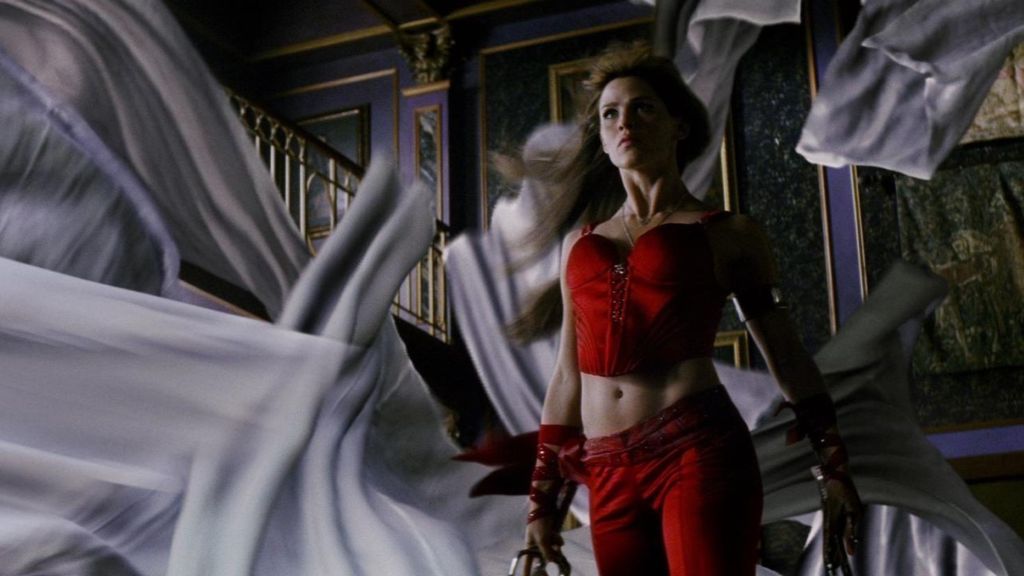
When Jennifer Garner first appeared as Elektra in Daredevil, the character wore dark purple leather that had almost no relationship to Frank Miller’s original design. Her 2005 solo film corrected that by dressing Garner in the signature red that has defined Elektra Natchios since Daredevil #168 in 1981, including the crimson top and fitted dark pants readers recognized immediately. The vibrant crimson coloring provided a clear contrast against the shadowy environments of the film, ensuring the deadly assassin remained the focal point of every action sequence. Plus, the wardrobe department engineered the leather garments to withstand rigorous wire-work and complex hand-to-hand combat choreography, ensuring Garner kept full mobility while wielding twin sai.

9) Ray Stevenson’s The Punisher (Punisher: War Zone)
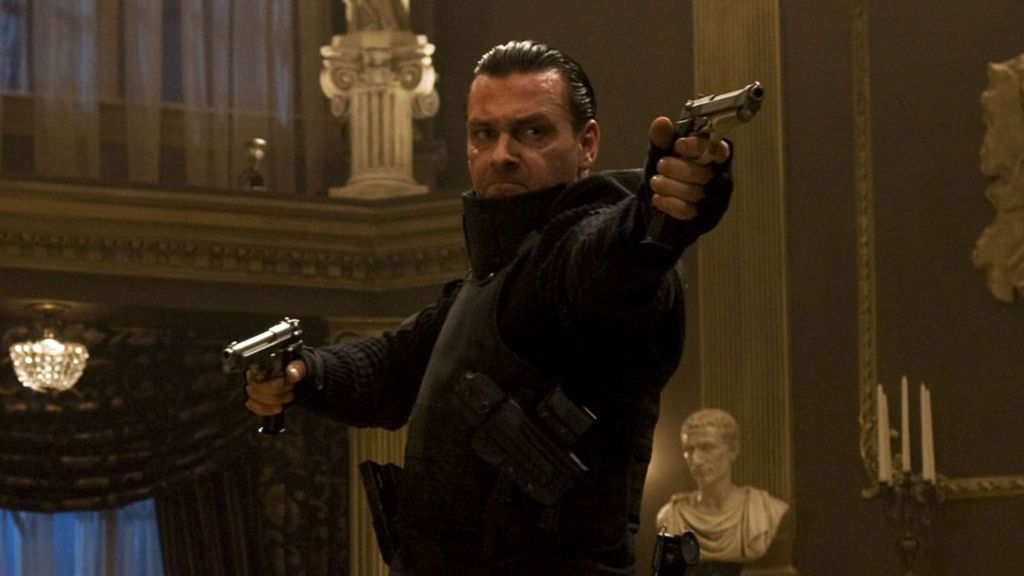
In Marvel Comics, the best versions of the Punisher’s costume are those that bet on simplicity, splattering the iconic skull logo over regular gear that would be accessible for a military man without vast resources or powers. Ray Stevenson’s iteration in Punisher: War Zone understood that better than the two theatrical attempts that preceded it. The black tactical combat gear with a large white skull across the chest is a direct translation of the Marvel Knights-era design that Garth Ennis and Steve Dillon cemented through the early 2000s. In addition, unlike previous iterations that softened or complicated the skull motif, this version kept it large enough to read as a threat directed at criminals rather than a logo. Punisher: War Zone failed commercially and critically, but Stevenson’s Frank Castle remains one of the more faithful character adaptations in the pre-MCU era, including his costume.
8) Michael Chiklis’ The Thing (Fantastic Four)
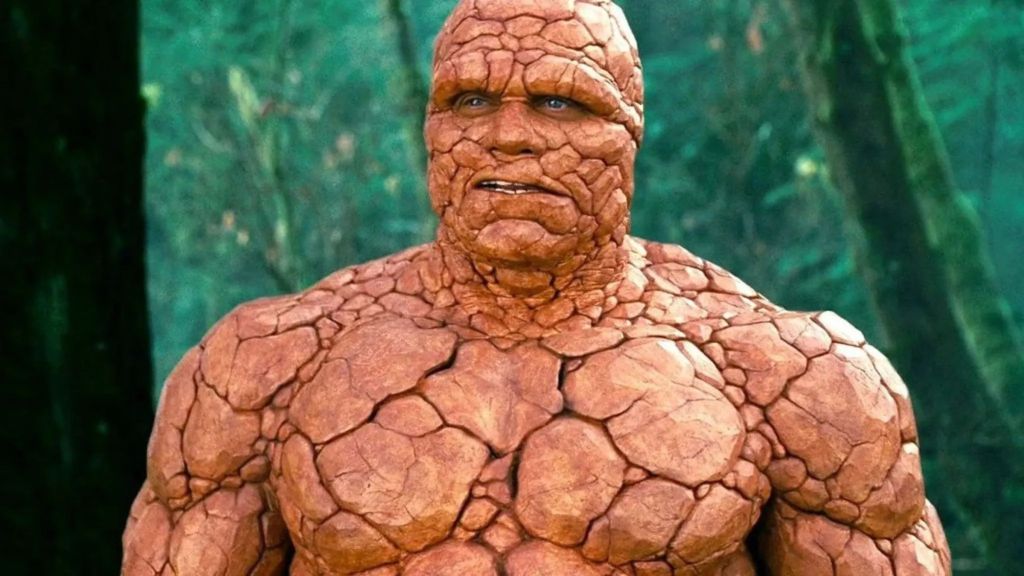
The 2005 Fantastic Four rejected the emerging trend of computer-generated characters in favor of a monumental practical effects achievement. Ben Grimm (Michael Chiklis) was brought to life using an intricately sculpted foam latex and silicone suit that required nearly sixty pounds of material to construct. The specialized makeup team at Spectral Motion dedicated thousands of hours to designing overlapping rocky plates that fit seamlessly over the actor’s musculature, helping the Thing to move freely on set and interact with props and other actors. Furthermore, the engineers built complex animatronic mechanisms into the facial prosthetics, allowing the performer to express nuanced emotions through the thick orange skin. The physical presence of the rock suit makes Ben Grimm look amazon in the screen, and despite the movie’s shortcomings, Chiklis is still arguably the definitive version of the character.
7) Rebecca Romijn’s Mystique (X-Men)
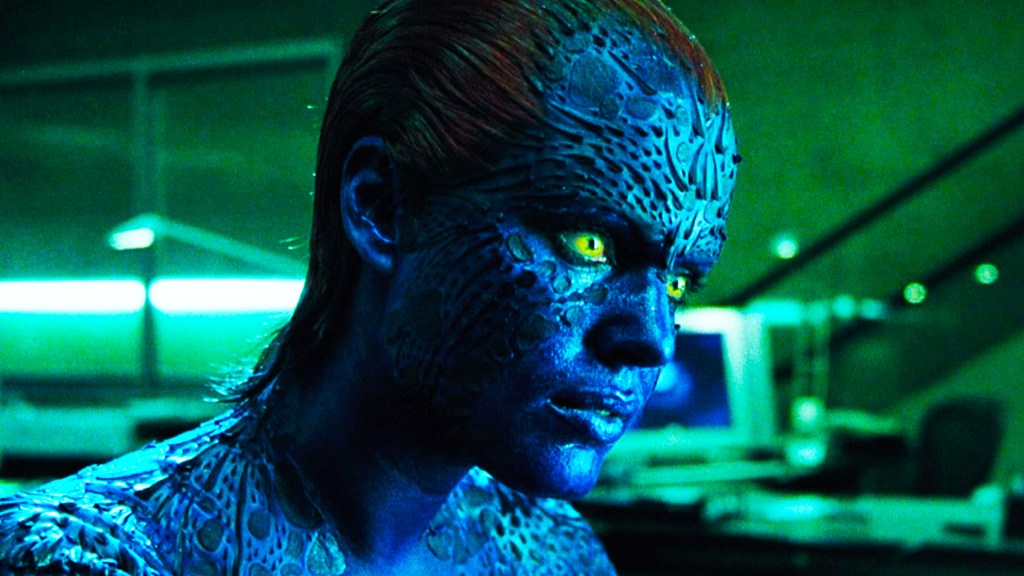
The original X-Men film by Fox translated Mystique’s complex comic book mutation through an exhaustive daily physical ordeal for Rebecca Romijn. To build the shape-shifting assassin, the makeup effects crew applied over one hundred individual silicone prosthetics directly onto the actress’s skin. The prosthetics covered roughly 60 percent of her body in a scaled texture, with airbrushed blue body paint applied over the remaining surface and yellow contact lenses completing the transformation. The grueling process that required up to nine hours of daily application, but the results are impressive. While the first X-Men movies ditched the classic costumes, Mystique was comic-accurate and absolutely mesmerizing to look at. While Jennifer Lawrence did a great job when she took over the character for X-Men: First Class, Romijn’s Mystique is unmatched thanks to the actress’s dedication to the make-up process.
6) Ian McKellen’s Magneto (X-Men)

Director Bryan Singer notoriously mandated black leather uniforms for the mutant heroes in the 2000 blockbuster X-Men, actively mocking the colorful spandex of the comics within the script. However, the production took a surprisingly faithful approach to the primary antagonist. Magneto (In McKellen) wears a flowing cape and a rigid helmet that perfectly replicates the silhouette of his comic book counterpart. The costume designers also constructed the iconic headpiece from fiberglass and painted it a deep crimson, ensuring it looked like a functional piece of anti-telepathic armor rather than a flimsy prop. The helmet anchors the entire visual of the villain, projecting authority while maintaining the specific metallic aesthetic required by his magnetic powers.
5) Alfred Molina’s Doctor Octopus (Spider-Man 2)
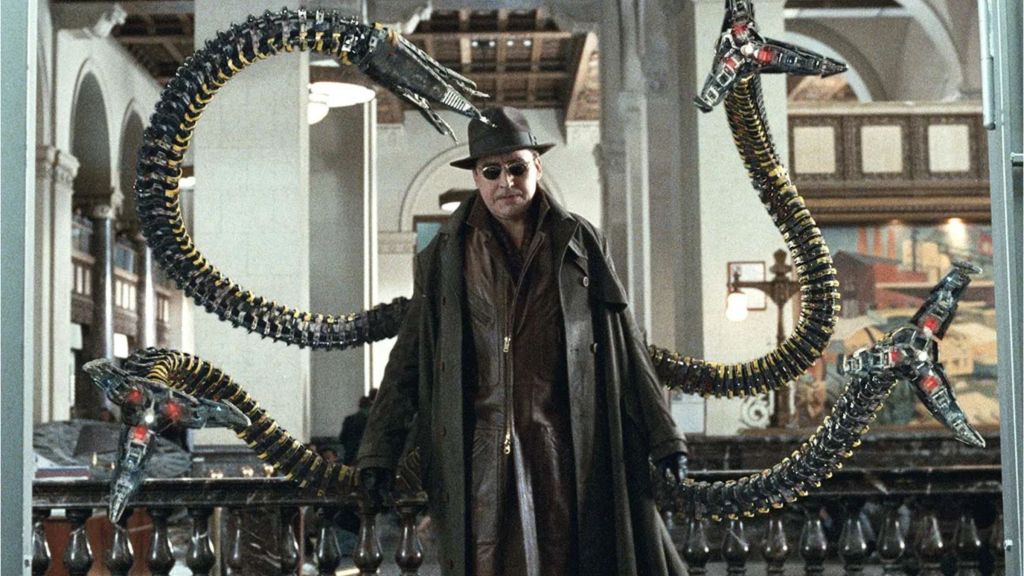
Sam Raimi elevated superhero cinema by seamlessly blending complex animatronics with practical costuming for the villain of his 2004 sequel, Spider-Man 2, arguably the best movie of the Web Crawler yet. Alfred Molina’s Doctor Octopus features four massive mechanical appendages physically attached to a heavy trench coat and leather harness system. The production team at Edge FX built fully articulated, fourteen-foot-long tentacles weighing over seventy pounds each, requiring a dedicated team of puppeteers to maneuver them on set. The resulting costume remains a triumph of practical engineering that computer-generated imagery struggles to replicate. That’s because the physical integration of the tentacles into the actor’s wardrobe gives weight and momentum to his metallic harness. The bulky green trench coat and dark goggles complete a look that directly homages Steve Ditko’s original artwork, while the overall aesthetics were updated to fit Raimi’s sensibilities.
4) Wesley Snipes’ Blade (Blade)
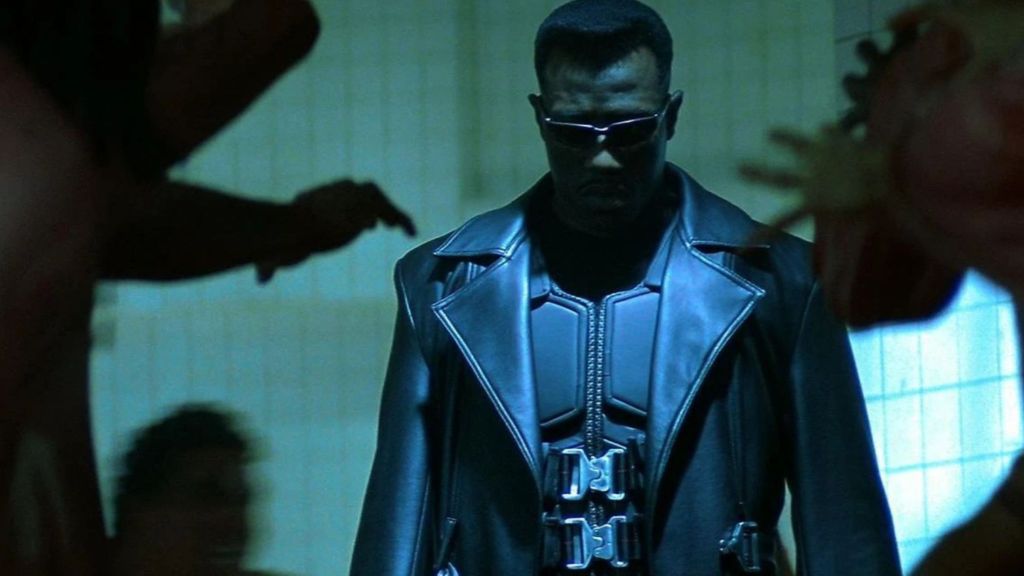
Stephen Norrington’s 1998 vampire thriller Blade predates the modern superhero boom, yet its costume design established a gritty visual language that influenced the genre for the next decade. In the movie, Blade (Wesley Snipes) stalks the underground vampire dens in a sweeping black leather duster, a heavily armored tactical vest, and signature wraparound sunglasses. Costume designer Sanja Milkovic Hays prioritized sleek functionality over theatricality, outfitting the Daywalker with hidden holsters for silver stakes and a custom back-scabbard for his titanium sword. The aesthetic modernized the character’s comic book origins, moving away from the green jackets of the 1970s Tomb of Dracula era into a sleek look that perfectly matched the film’s techno soundtrack. The heavy leather trench coat also creates visual flair during the high-speed martial arts sequences, and the costume became so well-received that Marvel Comics’ Blade has changed into it since then.
3) Alan Cumming’s Nightcrawler (X2)
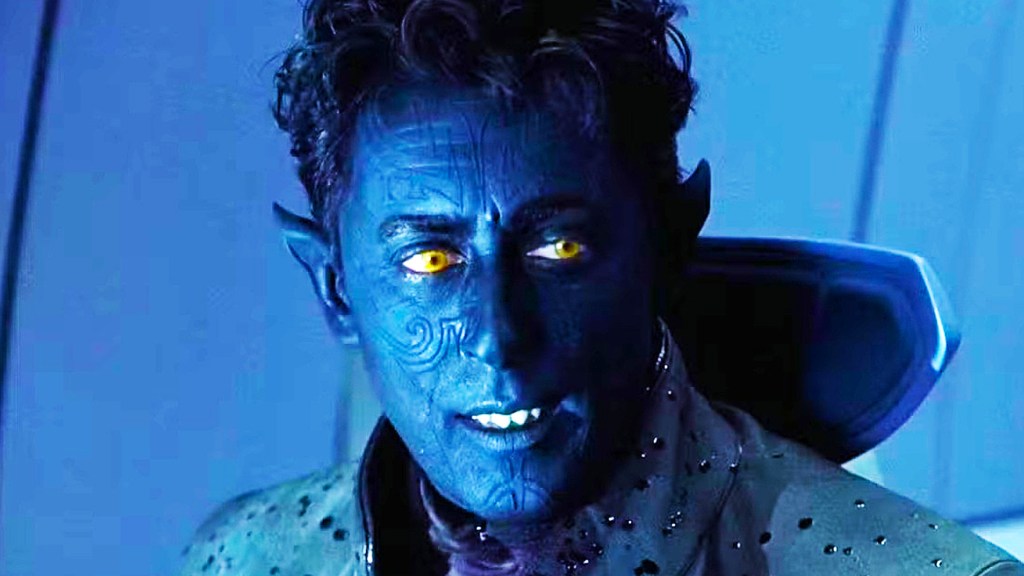
When 20th Century Fox expanded the mutant roster for the 2003 sequel X2, the production team delivered one of the most meticulous makeup and wardrobe combinations in comic book cinema. Alan Cumming’s Nightcrawler was brought to life through a grueling daily application process that covered the actor in deep blue prosthetics. Rather than simply painting his skin, the makeup artists incorporated hand-carved scarification across his face and body, echoing the character’s religious devotion and self-flagellation. Complementing the heavy prosthetics, the wardrobe department designed a worn red and black leather tunic that directly referenced his Munich circus origins while fitting cohesively within the tactical aesthetic of the broader cinematic universe. Finally, the inclusion of a fully articulated prehensile tail and glowing yellow contact lenses completed the transformation. The resulting design honored the vibrant history of the source material while still sticking to the franchise’s realistic approach to the X-Men.
2) Andrew Garfield’s Spider-Man (The Amazing Spider-Man 2)

Following the divisive redesign introduced in The Amazing Spider-Man, director Marc Webb explicitly instructed his team to construct the most comic-accurate wall-crawler possible for the sequel. As a result, in The Amazing Spider-Man 2, Spider-Man (Andrew Garfield) swings through New York in a vibrant suit that looks as though it was peeled directly from the pages of Mark Bagley’s Ultimate Spider-Man run. The costume designers achieved this by enlarging the stark white eye lenses to massive proportions, using a specialized mesh that allowed the actor full visibility while capturing the expressive, bug-eyed look of the illustrations. Furthermore, the web pattern was embedded deeply into the red fabric using screen-printing techniques, moving away from the raised webbing of the Sam Raimi era. Finally, the movie’s commitment to a sleek silhouette highlights the hero’s flexibility, resulting in a flawless version of Marvel’s flagship character.
1) Ryan Reynolds’ Deadpool (Deadpool)
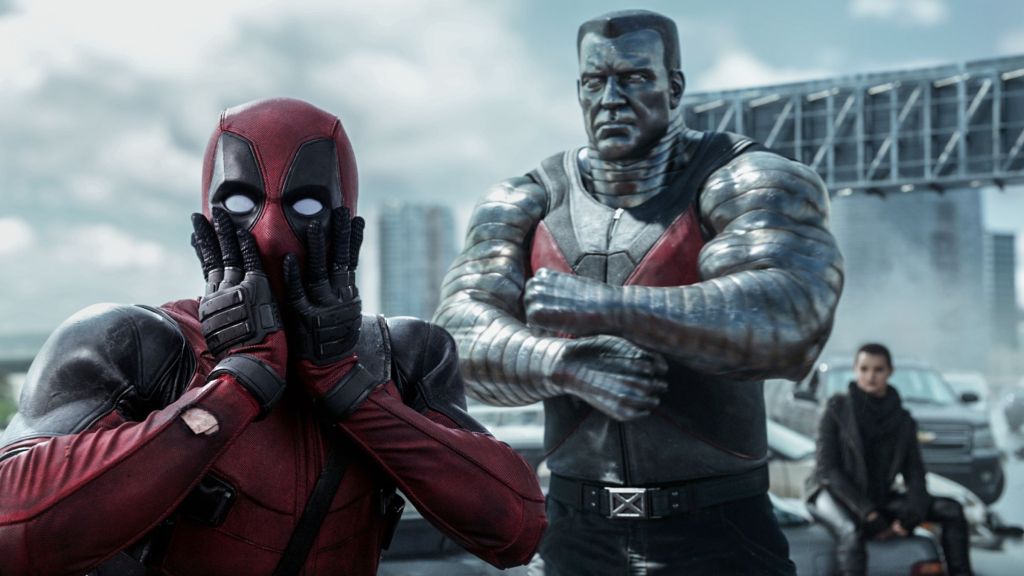
When 20th Century Fox finally greenlit a standalone film for the Merc with a Mouth, the movie’s crew decided that the character’s visual identity had to be meticulously adapted. First of all, Deadpool (Ryan Reynolds) wears a crafted suit of red and black tactical fabric that completely obscures the actor’s face, a major risk for a Hollywood production starring a leading man. To ensure the character remained highly expressive behind the mask, the costume department built a modular helmet system featuring interchangeable magnetic eye pieces, allowing the protagonist to convey a wide range of exaggerated emotions during combat. The designers also modified the vibrant red leather to simulate bullet holes, blood stains, and scorch marks accumulated through years of mercenary work. The final result is a monumental achievement in superhero costuming, faithfully delivering the comic-accurate visuals of Deadpool without sacrificing filmmaking functionality.
Which non-MCU Marvel costume is your favorite? Leave a comment below and join the conversation now in the ComicBook Forum!
More TV Shows
-

Courtesy of South Park Studios