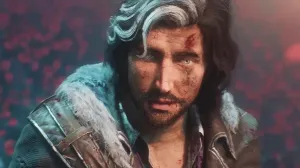
Against all odds, most Star Trek episodes still hold up. If you look past a few cheesy effects and the occasional whiff of ’60s-era misogyny, Gene Roddenberry’s vision of an ideal humanity remains relevant today. The moral conundrums faced by Starfleet crews in The Original Series, The Next Generation, Deep Space Nine, and even Voyager essentially all revolve around universal themes like empathy or responsibility. On the opposite end of the spectrum from aged-like-milk episodes (i.e., “Turnabout Intruder”), there are a few stories that aged so well they could just as easily have come out today.
Videos by ComicBook.com
Not only did some of these Star Trek episodes actually predict future technology, but they also anticipated some of the social issues and even global conflicts we’re facing today. Remote warfare, revisionist history, systemic inequality, and even things as specific as police brutality were foreshadowed in Trek before they became cultural talking points. Beyond nostalgia or simply timeless stories, these ten episodes have aged like fine wine and actually gotten better as the years have passed.
10) “The Devil in the Dark” (The Original Series)
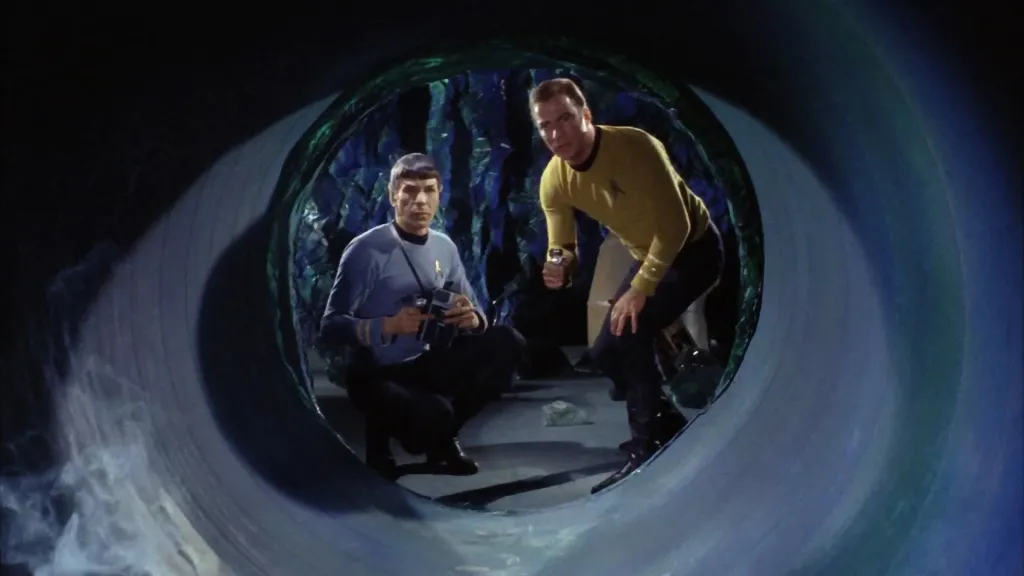
On the surface, this is a simple planet-of-the-week episode in which miners are being killed on Janus VI, and Kirk and Spock are sent to eliminate a mysterious creature, but, in true Star Trek fashion, the adventure soon becomes a compelling case in how fear and miscommunication beget unnecessary violence. The Horta, initially treated as a mindless threat, turns out to be an intelligent mother protecting her eggs. The story takes the reader on a journey with the characters, specifically Spock, as he performs a mind meld and eventually comes to understand the creature’s pain. In the reveal, the characters (and the audience) are forced to reevaluate the demonized assumptions they made about the creature. Thus, the episode becomes an exercise in empathy as well as in admitting mistakes.
9) “Far Beyond the Stars” (Deep Space Nine)
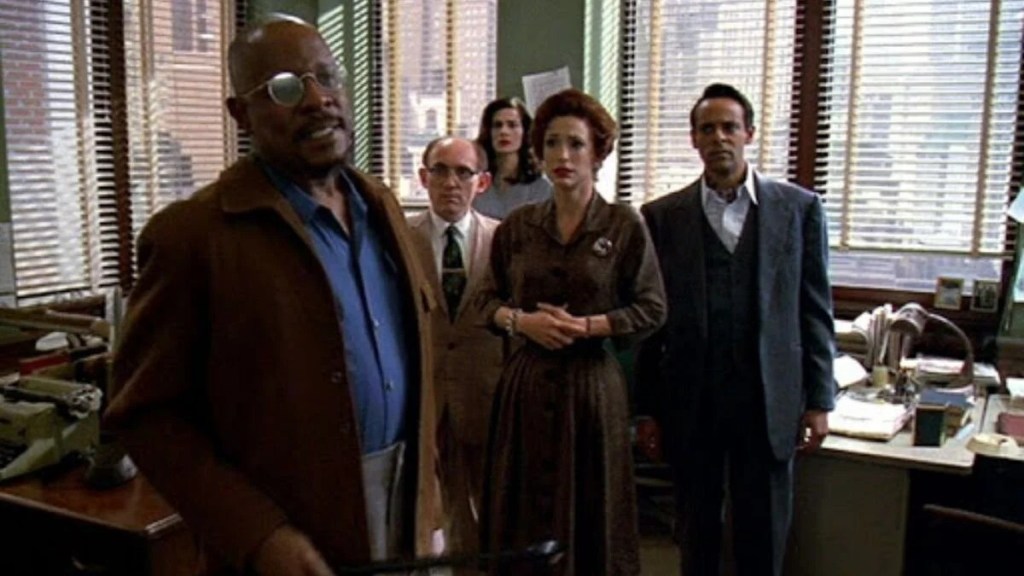
Avery Brooks delivers a great performance as Captain Sisko, who is experiencing visions of himself as Benny Russell, a Black sci-fi writer in 1950s New York. The iconic episode does away with the futuristic setting, instead confronting the racism embedded in American history and the publishing industry. While far from the oldest episode on the list, the themes of “Far Beyond the Stars” have remained relevant since its release in 1998. Russell faces workplace discrimination and police brutality while trying to publish a story about a Black space station commander that the editors insist readers “aren’t ready for.” Over the last decade, many of these same issues have been addressed in major social change movements like Black Lives Matter.
8) “The Offspring” (The Next Generation)
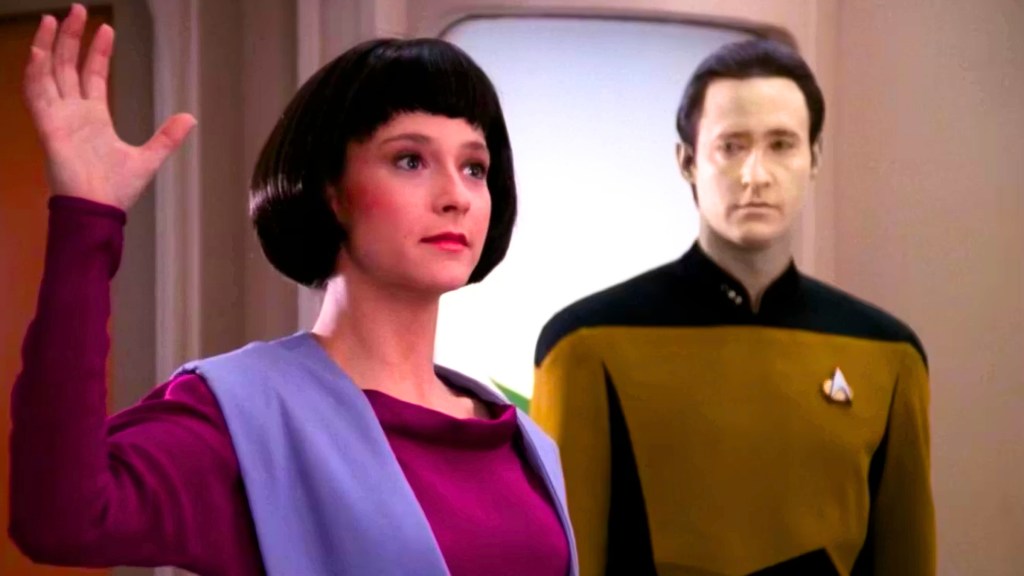
In The Next Generation’s exploration of parenthood, Brent Spiner’s Data creates Lal, an android child. In a concept lightyears ahead of its time, Lal actually chooses her own gender presentation and physical appearance. Rather than impose his own assumptions, Data encourages her self-discovery. Today, discussions about kids’ rights regarding their own identities are more relevant than ever. Data’s protection of Lal’s autonomy and resistance to Starfleet’s attempt to remove her for study were incredibly forward-thinking. The irony, of course, is that the supposedly emotionless android is a better dad than many biological human characters across the series.
7) “The City on the Edge of Forever” (The Original Series)
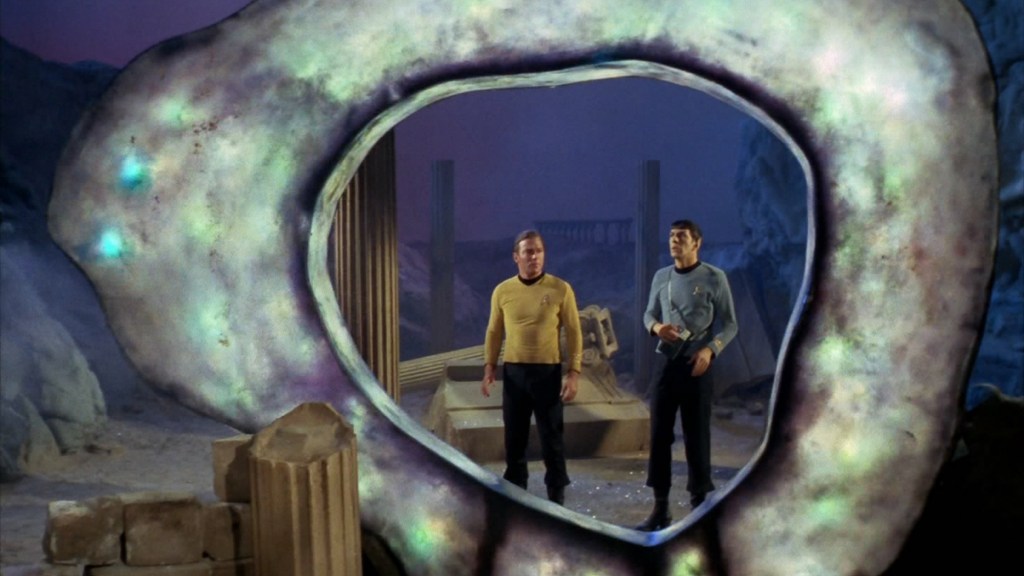
Often cited as the franchise’s greatest episode, this time-travel tragedy forces Kirk (William Shatner) to allow Edith Keeler (Joan Collins), the woman he loves, to die in order to preserve the timeline and prevent a fascist victory in World War II. Famously written by Harlan Ellison and later revised for production in a major controversy, the episode puts our captain in the quintessential moral conundrum of the personal vs. the general, and refuses to offer an easy answer. In all its grayness and gravity, the situation feels like it could have been written today. Notably, Kirk’s choice isn’t ever framed as heroic.
6) “The Inner Light” (The Next Generation)
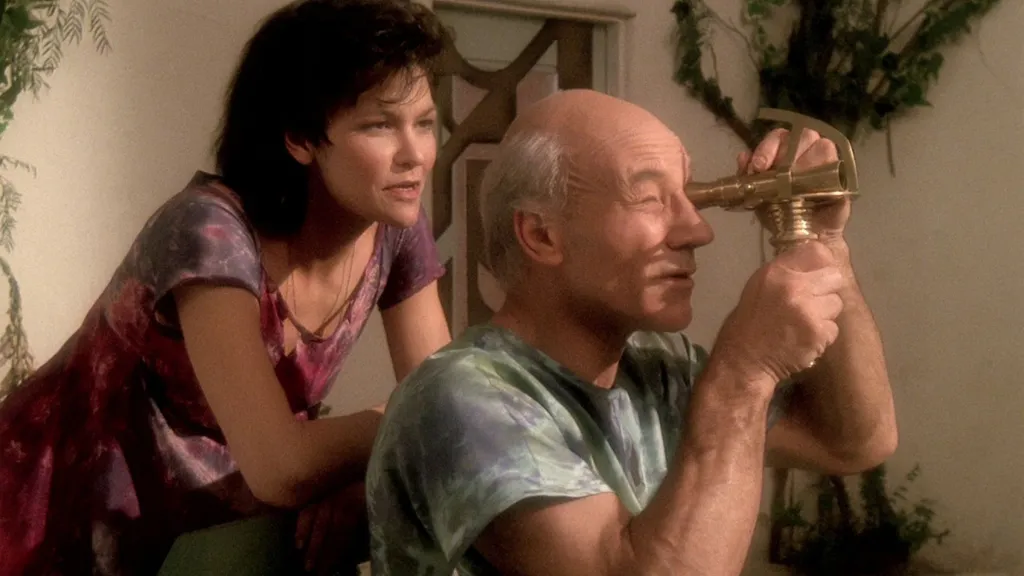
In one of the most incredible hours ever written for Star Trek, Picard is struck by an alien probe and lives an entire lifetime (marriage, children, grandchildren, etc.) on a dying planet called Kataan, only to wake up on the bridge twenty-five minutes later. The civilization he lives in is aware that the world is doomed thanks to a drought caused by increased solar radiation, and that there’s nothing they can do to stop it. They built the probe specifically so that one person, somewhere, might remember them. In 1992, when the episode aired, climate change as a topic was just entering the conversation, but it has taken on an entirely new hue today as we face the very real consequences of climate change.

5) “Past Tense” (Deep Space Nine)
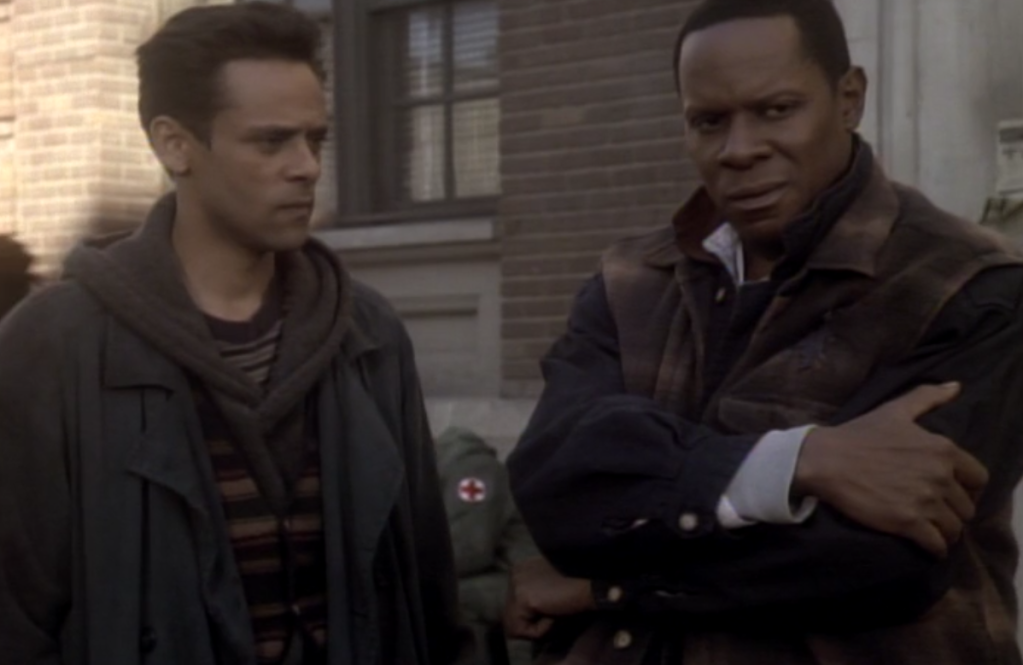
When Sisko, Bashir, and Dax are sent back to 2024 San Francisco, they encounter Sanctuary Districts, or segregated zones for the homeless and unemployed. Produced in 1995, the two-part episode imagined a future of economic inequality, overwhelmed social systems, and public indifference reaching a breaking point. Nearly everything in the episode, including the Bell Riots, feels like a prophecy, though it was perhaps in part inspired by the Rodney King riots of 1992. In “Past Tense,” DS9 predicted policies, wealth disparity, and even the housing crisis. Today, it feels less like science fiction and more like a documentary.
4) “Balance of Terror” (The Original Series)
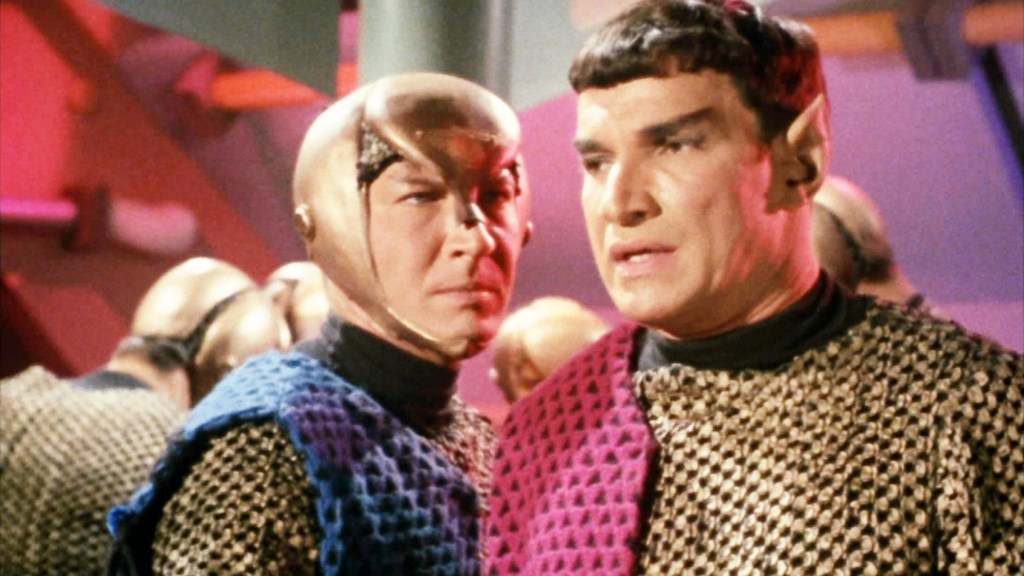
This Cold War allegory plays out like a chess match between Kirk and a Romulan commander, played by Mark Lenard. The episode introduced the Romulans and the common Star Trek trope of an enemy captain who is honorable yet bound by duty. But it’s really the episode’s probing of prejudice that has aged like fine wine. Crewman Stiles distrusts Spock after learning Romulans share Vulcan ancestry, which becomes an example of how quickly fear can morph into xenophobia. The episode also avoids a more cliche nationalist narrative, meaning the conflict is driven by the political rather than the personal.
3) “Living Witness” (Voyager)

Set centuries after Voyager visits a planet, the almost literary episode examines a museum’s distorted historical record of Janeway’s crew as violent oppressors. A backup EMH (Robert Picardo) is reactivated to challenge the mutated narrative, revealing how those in control spin history’s events. Lines like “I don’t have a problem with your species, I have Kyrian friends,” and arguments against teaching uncomfortable history to children feel straight out of today’s political scene. Though it also touches on the idea of second-class citizens, its core argument is that a. history is shaped by power, and b. memory is subjective.
2) “The Drumhead” (The Next Generation)
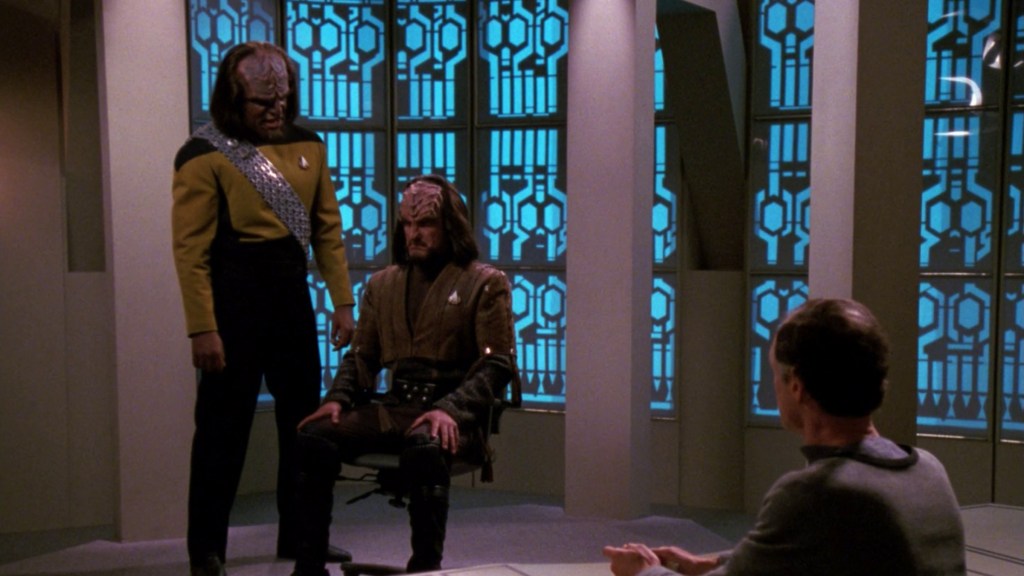
A sabotage investigation aboard the Enterprise creates paranoia when retired Admiral Norah Satie (Jean Simmons) launches an ideological witch hunt. Patrick Stewart’s Captain Picard watches as due process begins to collapse around him. The episode is a pretty cut-and-dry warning about authoritarian rhetoric disguised as patriotism, and it’s honestly a little scary to watch today, given where we are in the cycles of history. Thankfully, Picard steps up to defend civil liberties in the courtroom, arguing that fear is how freedom dies, a theme common across more than one episode on this list.
1) “A Taste of Armageddon” (The Original Series)
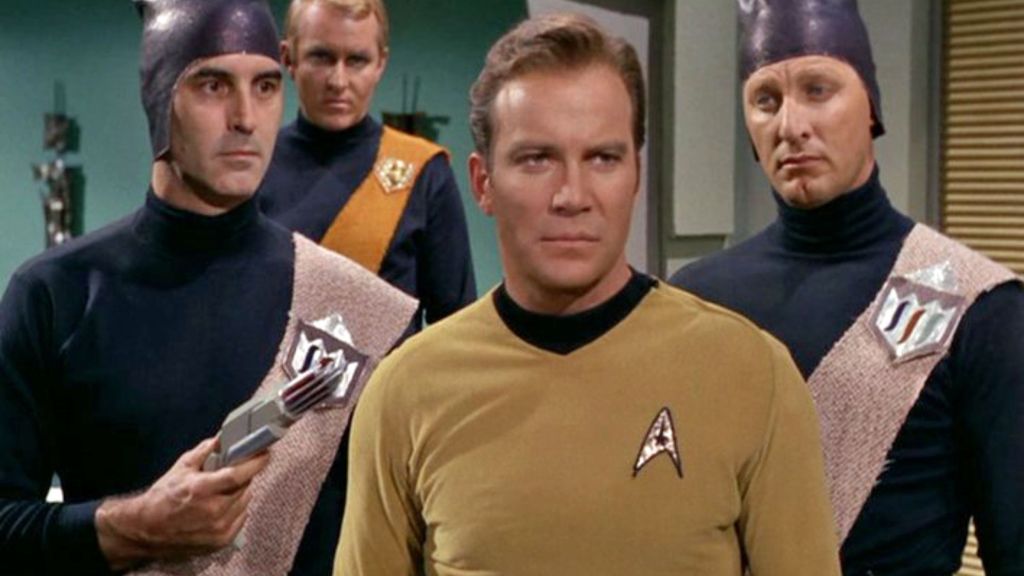
In this episode, two planets wage war via computers, calculating casualties while citizens report to disintegration chambers to maintain treaty obligations. In the end, Kirk destroys the simulation systems, forcing both sides to deal with the consequences of the conflict. As real-world tech has advanced, the episode’s message has only become more urgent. This remote or sanitized warfare tactic, which looks a lot like what is happening today, allows conflicts to continue indefinitely while decision-makers remain detached from the cost. “A Taste of Armageddon” argues that this distance makes war easier instead of more humane, and the argument has aged like fine wine in the era of drones and AI.
Which Star Trek episode do you think aged the best? Leave a comment below and join the conversation now in the ComicBook Forum!
Most Viewed
-
Courtesy of Cartoon Network -
Image Courtesy of Marvel Comics