HBO helped define the modern era of television by prioritizing narrative sophistication and high production values over the broad-appeal metrics of broadcast networks. This commitment to prestige storytelling allowed the network to cultivate a brand synonymous with quality, producing cultural touchstones like The Sopranos and The Wire that fundamentally altered the medium. Plus, by providing creators with the financial resources and editorial freedom to explore complex moral themes, HBO established a standard of excellence that continues to resonate in recent successes, such as the medical drama The Pitt, the DC production The Penguin, and the anthology The White Lotus.
Videos by ComicBook.com
However, even a television powerhouse with an unparalleled track record like HBO is susceptible to the pressures of serialized production and the inevitable erosion of a premise over time. The transition from a groundbreaking debut to a protracted decline often occurs when a show’s internal logic fails to support its expanding scale or when the initial creative vision becomes diluted by corporate longevity. While HBO’s failures are rare, the instances where a high-profile drama loses its trajectory are particularly jarring for audiences, as the subsequent loss of quality feels like a betrayal of the emotional and intellectual investment built during the series’s peak years.
4) Oz

As HBO’s first venture into the hour-long dramatic format, Oz revolutionized television by presenting an uncompromising look at life inside the Oswald State Correctional Facility. The narrative initially focused on the philosophical and social friction between diverse inmate populations, utilizing the experimental “Emerald City” unit overseen by Tim McManus (Terry Kinney) to examine the failure of the American penal system. This early success was built on a foundation of gritty realism and a rotating ensemble cast that included standout performances from Harold Perrineau and Dean Winters. Consequently, the show established a template for the character-driven “prestige” dramas that would soon define the network’s identity.
However, Oz eventually succumbed to the pressures of maintaining shock value, abandoning its sociopolitical commentary in favor of increasingly absurd plot devices. By the later seasons, the introduction of a fictional aging pill and a bizarre musical episode signaled a definitive departure from the grounded tension of its debut. This shift into soap-operatic territory undermined the gravity of the setting, turning a once-profound exploration of human incarceration into a collection of sensationalist tropes that lacked the intellectual rigor of its formative years.
3) True Blood
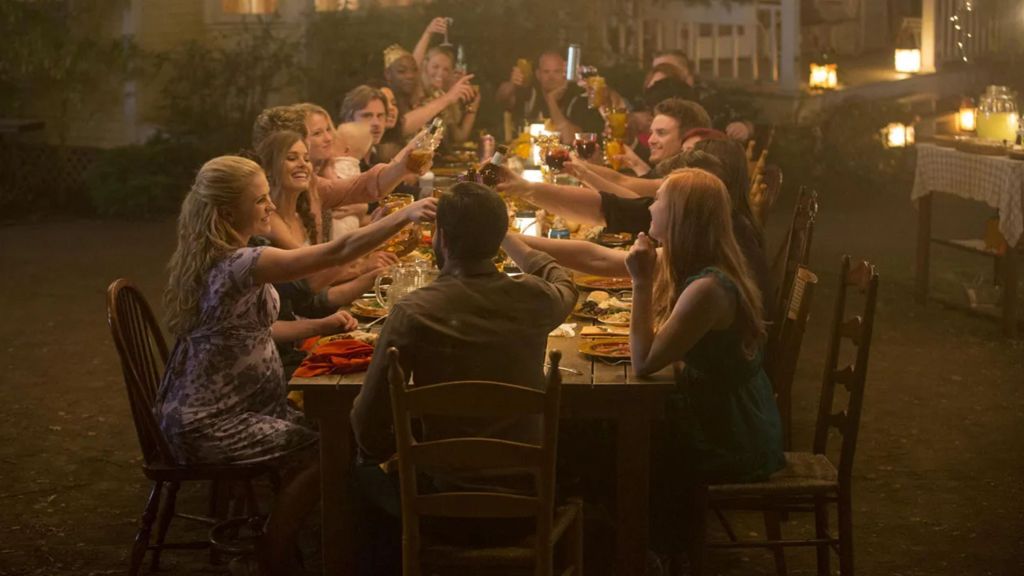
During its early seasons, True Blood functioned as a provocative allegory for civil rights and societal prejudice, utilizing a supernatural framework to explore the integration of vampires into the American South. The series centered on Sookie Stackhouse (Anna Paquin), a telepathic waitress whose relationship with Bill Compton (Stephen Moyer) provided a grounded entry point into the complex political landscape of Bon Temps. This blend of southern gothic aesthetics and pulpy romance resonated with a massive audience, as the show successfully balanced its erotic energy with a well-defined internal mythology.
Ultimately, the departure of original showrunner Alan Ball after the fifth season accelerated a decline into narrative incoherence that True Blood never fully recovered from. The writing became overwhelmed by an unnecessary influx of supernatural entities, including were-panthers and faeries, which diluted the impact of the central vampire conflict. This expansion of the lore felt increasingly desperate, as the final seasons prioritized convoluted subplots over the character-driven stakes that had made the initial seasons a cultural phenomenon.
2) Westworld
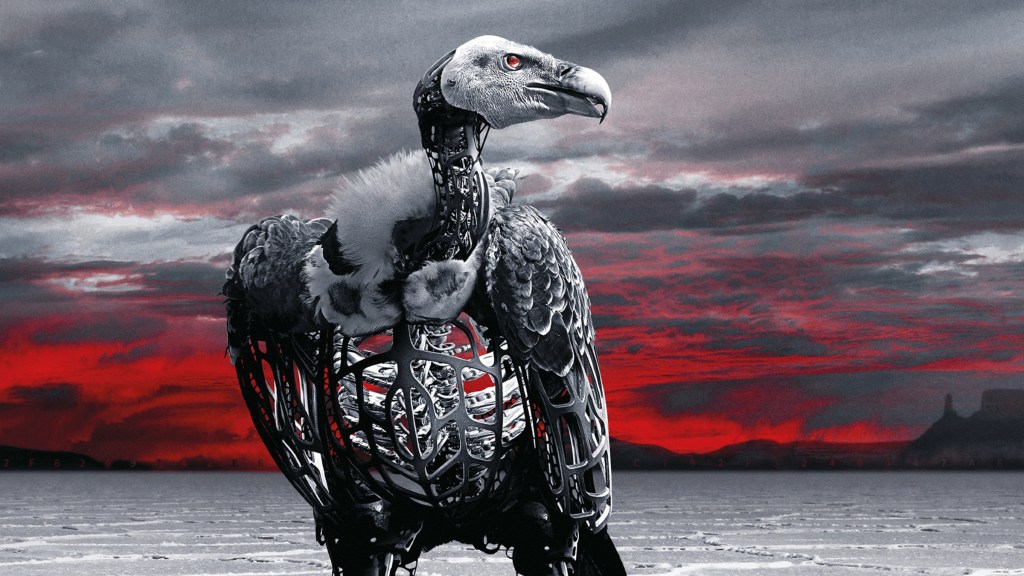
Westworld arrived as a sophisticated puzzle-box drama that utilized the concept of a theme park populated by android “hosts” to investigate the nature of consciousness and free will. The first season was a meticulously crafted exploration of identity that followed Dolores (Evan Rachel Wood) and Maeve (Thandiwe Newton) as they navigated the overlapping timelines of their awakening. This intellectual depth was supported by a massive production budget and an authoritative performance by Anthony Hopkins, whose presence anchored the show’s philosophical inquiries.
Unfortunately, the subsequent move into the “real world” during the third and fourth seasons caused Westworld to lose its thematic center, replacing its slow-burning mystery with generic action sequences and a needlessly complex structure. In addition, the narrative became so preoccupied with outsmarting the audience that it neglected the emotional core of its protagonists, leading to a significant drop in viewership and an eventual cancellation.
1) Game of Thrones

For the majority of its run, Game of Thrones was the most dominant force in global entertainment, setting a new benchmark for the scale and complexity of televised fantasy. The adaptation of George R.R. Martin’s novels excelled by treating its sprawling political landscape with the same seriousness as a historical drama, focusing on the lethal maneuvers of characters like Cersei Lannister (Lena Headey) and Tyrion Lannister (Peter Dinklage). This commitment to internal logic and character-driven consequences peaked during the first four seasons, creating a world where every action carried weight.
The decline of Game of Thrones began when showrunners David Benioff and D.B. Weiss decided to rely on visual spectacle over narrative consistency, a trajectory accentuated when the show outpaced the books. The final season’s rushed pacing and the sudden abandonment of established character arcs, particularly regarding Daenerys Targaryen (Emilia Clarke), resulted in a conclusion that felt disconnected from the meticulous world-building of the earlier years. This failure to stick the landing remains a primary point of contention for the fanbase, overshadowing the show’s historical achievements with a lingering sense of disappointment.
Which HBO series do you believe suffered the most significant decline in quality after its initial seasons? Leave a comment below and join the conversation now in the ComicBook Forum!




![Lanterns Season Finale Is a Muted Conclusion, But With Satisfying Storytelling [REVIEW]](https://comicbook.com/wp-content/uploads/sites/4/2026/10/Lanterns-finale-review.jpg?w=300)