Television networks and streaming platforms generally prioritize structural consistency to maintain brand loyalty and long-term viewer retention. When a series establishes a successful formula, whether it is the high-stakes culinary environment of a professional kitchen or the mundane interpersonal friction of a corporate office, the creative team rarely risks alienating the core demographic with a radical departure. This stability allows the audience to build a reliable expectation of the narrative’s tone and scope, ensuring that the production remains a permanent fixture in the cultural conversation without the volatility of unpredictable storytelling. Consequently, most long-running dramas and comedies avoid significant pivots, preferring to refine their established premise rather than dismantle the foundations that provided their initial success.
Videos by ComicBook.com
However, the science fiction genre offers a unique landscape where narrative volatility is often a prerequisite for thematic depth. Because these productions frequently explore the ethical boundaries of artificial consciousness, the paradoxes of time travel, and the fragile nature of reality, they possess the structural flexibility to execute audacious pivots that re-signify every preceding episode. By forcing the characters and the audience to confront a fundamentally altered status quo, a handful of masterpiece episodes argue that memorable narratives can also be those willing to destroy their own comfort zones.
5) Agents of SHIELD — “Turn, Turn, Turn” (Season 1, Episode 17)
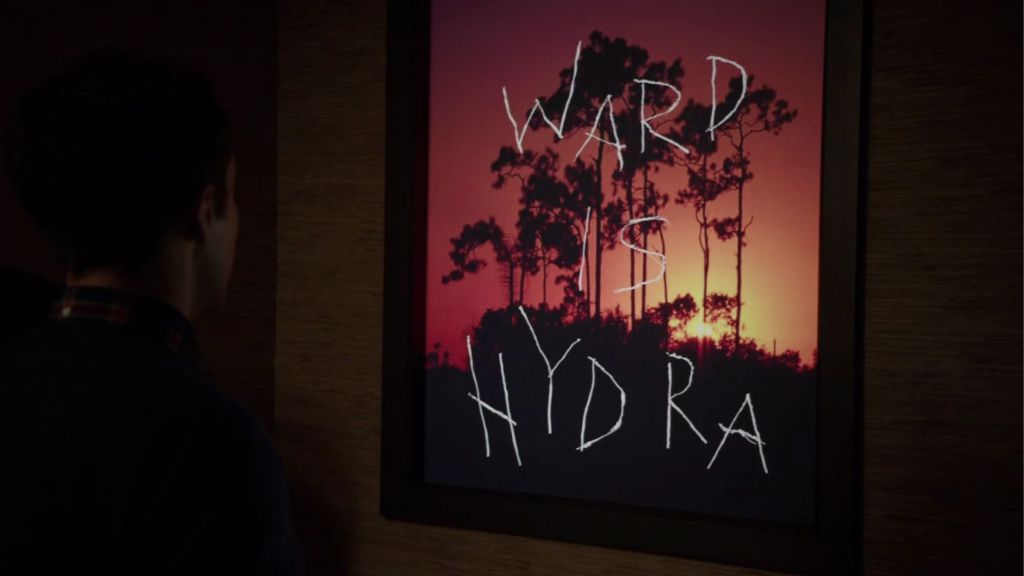
The “Turn, Turn, Turn” episode of Agents of SHIELD fundamentally salvaged the series’ reputation by dismantling the “case-of-the-week” procedural structure that characterized the majority of its debut season. Tied directly to the cinematic events of Captain America: The Winter Soldier, the narrative reveals that the titular global security organization has been infiltrated by Hydra for decades. The pivot is executed through the shocking betrayal of Grant Ward (Brett Dalton), a character previously established as the quintessential heroic archetype. In addition, the revelation forces Phil Coulson (Clark Gregg) and his team into a desperate struggle for survival as outlaws, effectively ending the show’s reliance on the Marvel Cinematic Universe’s institutional safety net. By removing the high-tech resources and legal authority of the protagonists, Agents of SHIELD transitioned into a gritty spy thriller that prioritized serialization and moral ambiguity. This structural change also allowed the writers to explore the psychological consequences of institutional collapse, a move that significantly improved the creative trajectory of the franchise.

4) Fringe — “There’s More Than One of Everything” (Season 1, Episode 20)

The first-season finale of Fringe, titled “There’s More Than One of Everything,” remains one of the most effective world-building reveals in modern television history. While the early episodes functioned as a spiritual successor to The X-Files, focusing on fringe science anomalies, this finale expanded the scope of the series into a multiversal conflict. The final shot, which reveals Olivia Dunham (Anna Torv) meeting William Bell (Leonard Nimoy) in an office located within the undamaged Twin Towers, signaled that the narrative was no longer confined to a single reality. This pivot re-contextualized the “Pattern” cases not as random events, but as the first tremors of a war between two parallel worlds. The introduction of the alternate universe eventually forced Fringe‘s creative team to develop complex iterations of existing characters, such as Walter Bishop (John Noble), leading to a much richer exploration of identity and loss. By embracing the complexity of cross-dimensional travel, the production elevated itself from a standard procedural into a sophisticated science fiction epic.
3) Battlestar Galactica — “Lay Down Your Burdens, Part 2” (Season 2, Episode 20)
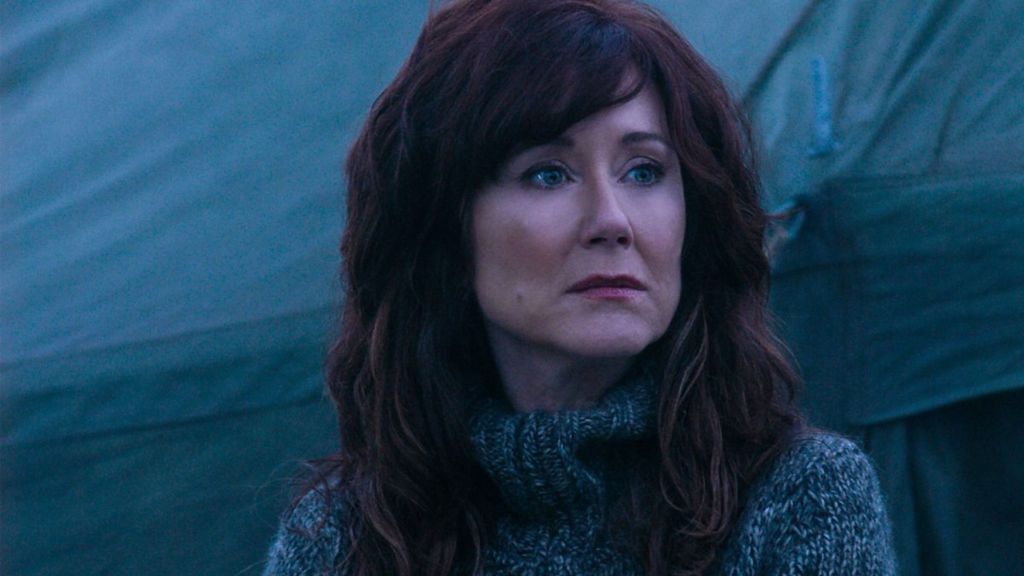
“Lay Down Your Burdens, Part 2” aggressively subverted audience expectations by abandoning the established survival-at-sea metaphor of Battlestar Galactica. After two years of chronicling the fleet’s desperate flight from the Cylons, the narrative abruptly shifts focus to the settlement of New Caprica following the election of Gaius Baltar (James Callis). Rather than lingering on the logistical challenges of colonization, the production utilizes a jarring “one year later” time jump to depict the consequences of abandonment and political failure. The sight of a disheveled William Adama (Edward James Olmos) on a nearly empty Galactica provided a bleak contrast to the show’s established military hierarchy, as the series discarded the interstellar chase in favor of a gritty occupation narrative that mirrored contemporary geopolitical conflicts. Forcing the characters into a state of subjugation under Cylon rule allowed Battlestar Galactica to explore themes of resistance and the erosion of democratic ideals, revitalizing the show for the remaining seasons.
2) Lost — “Through the Looking Glass” (Season 3, Episode 22)
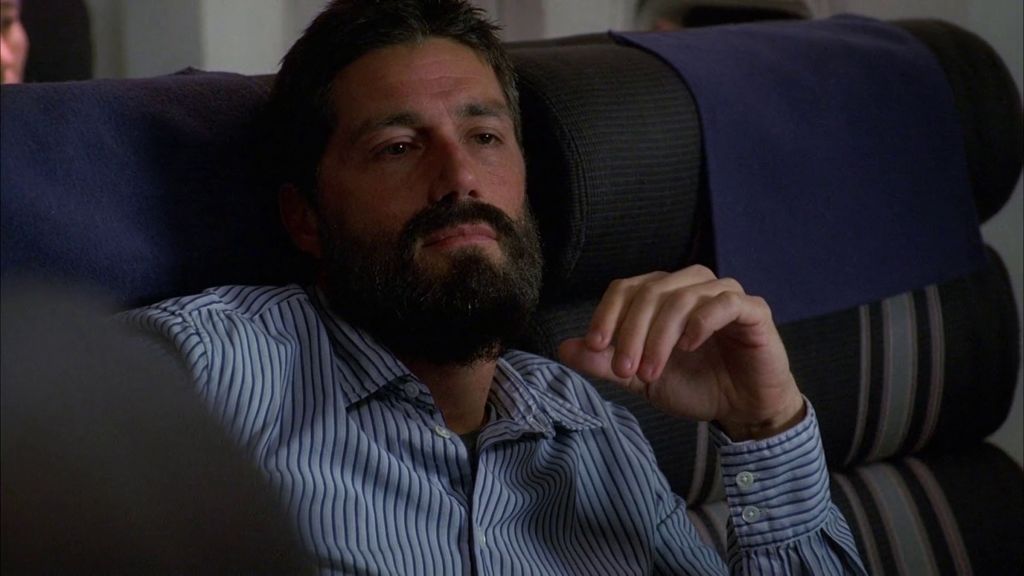
The third-season finale of Lost, “Through the Looking Glass,” delivered a narrative shift that permanently altered the relationship between the audience and the show’s chronology. Throughout its initial run, the series utilized flashbacks to deepen the backstories of the survivors of Oceanic Flight 815. However, Season 3’s finale episode concludes with the revelation that the scenes featuring a bearded, pill-addicted Jack Shephard (Matthew Fox) and Kate Austen (Evangeline Lilly) are not from the past, but from the future. The iconic line, “We have to go back,” destroyed the show’s central premise—the struggle to escape the island—by revealing that some characters eventually succeed, only to find their lives in ruins. This pivot led the production to adopt a flash-forward structure for subsequent years, shifting the focus from survival to the mystery of how they left the island and why they must return.
1) Dollhouse — “Epitaph One” (Season 1, Episode 13)

While the first season of Dollhouse initially struggled with a procedural format, the finale “Epitaph One” executed a radical transformation that redefined the entire series. Set ten years in the future, the episode reveals that the mind-wiping technology utilized by the Rossum Corporation has led to a global apocalypse, turning the majority of the human population into mindless “butcher” drones. This pivot completely re-signified the street-level adventures of Echo (Eliza Dushku) and Paul Ballard (Tahmoh Penikett), casting the early episodes as the tragic prologue to the end of civilization. This shift in perspective forced the audience to view the corporate intrigue of the Dollhouse through a lens of inevitable catastrophe, heightening the urgency of the characters’ actions in the present day. “Epitaph One” remains the definitive example of a narrative pivot that elevates a standard science fiction premise into a profound and chilling masterpiece.
Which science fiction episode do you believe most effectively dismantled its show’s original structure to create something different? Leave a comment below and join the conversation now in the ComicBook Forum!
More TV Shows
-

Image Courtesy of Marvel