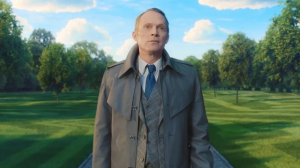
The sci-fi genre has long been one of the most popular with audiences around the world, transcending any single medium to dominate in books, comics, video games, movies, and TV. Many of the best sci-fi TV shows become utterly iconic, spawning entire sprawling franchises and securing a lasting legacy within the genre as they go on to inspire countless other stories that come after them. As the genre is so broad and manages to engage audiences so consistently, there is no shortage of sci-fi shows that TV fans can enjoy, both past and present. With so many quality sci-fi shows out there, fans of the genre are truly spoiled for choice.
Videos by ComicBook.com
Given the nature of sci-fi often lends itself to complex and mind-bending stories, it’s perhaps unsurprising that some of the genre’s shows are actually better after they’ve already been seen once. Some sci-fi shows are so smart that it’s hard to fully take in their brilliance after only a single viewing, thereby requiring a rewatch to totally appreciate. Some of these shows are actually better the second time around, when the audience can engage with them on a different level once they know how their respective stories pan out.
5) Sense8

Sense8 is often considered one of the all-time great Netflix sci-fi shows, airing for two seasons before its controversial cancellation. In its short run, Sense8 secured a huge and loyal fan base, gripping viewers with its intricate, complex story following a large ensemble cast of characters. It concerns a group of eight strangers from around the world who discover they are psychically connected, and form a cluster of “sensates”, the show’s term for humans who are mentally and emotionally linked and can share their thoughts with each other at will.
Many viewers consider Sense8 to be even better the second time around. The first season in particular is narratively dense, with many character introductions and slow-burning mysteries at its core. Rewatching the show allows the viewer to take in all of the show’s subtle foreshadowing, made easier by the fact that its relatively complicated lore is already understood. On rewatch, the emotional connections between characters are far easier to grasp, foregoing the unavoidable confusion of the first viewing.
4) Russian Doll
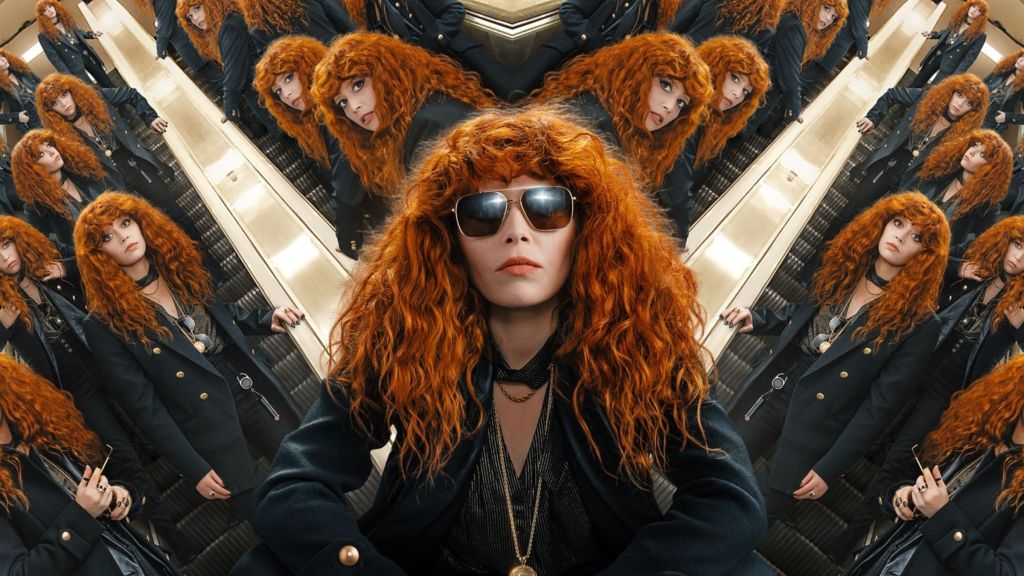
Even before Russian Doll, Natasha Lyonne was iconic, but the Netflix show helped her achieve that same status within the sci-fi genre, too. Following a game developer named Nadia (Lyonne), Russian Doll‘s story sees her repeatedly die only to be resurrected to relive the same night. The show’s use of the popular time loop trope cemented its sci-fi core, but it’s Russian Doll‘s innately dark comedy and complex personal drama that secure its status as one of the most interesting sci-fi TV shows on Netflix.
Across its two-season run, Russian Doll’s appeal shifted slightly. The first season had at its core an element of mystery surrounding the nature of the time loop, while the second explored a more chaotic time-travelling premise that tapped into a rich dramatic vein. Both seasons not just hold up on a rewatch, but are actually improved by it, as the second viewing allows the viewer to better engage with all the small touches and clever moments that are easily skimmed over by its initial mystery and more complex elements.
3) Twin Peaks

David Lynch’s Twin Peaks has become known as a complicated TV show that largely transcends any single genre, mixing elements of sci-fi and surrealism with mystery, horror, and drama. After its initial run, the show’s devoted cult following led to continuations and spin-offs, further expanding upon its surreal, mind-bending story and setting. Its story, which begins with FBI special agent Dale Cooper investigating the murder of a local teen, is characterized not just by its central mystery but also by its many twists and turns.
Revisiting Twin Peaks after already watching it through is actually an even better experience than the first viewing. The second time around, having prior knowledge of Twin Peaks‘ mystery allows the viewer to better soak in the bizarre and haunting ambience that helped make it such a hugely popular show. Considering its surreal atmosphere is perhaps the biggest part of its charm, the second viewing of David Lynch’s masterpiece is often seen as an improvement upon the first.
2) The Leftovers
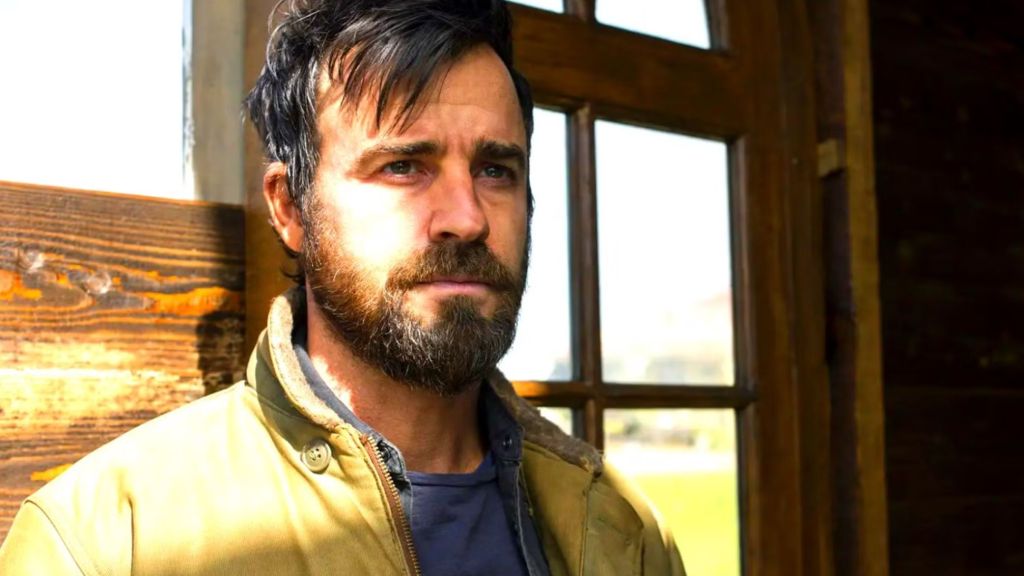
Based on the novel of the same name by Tom Perrotta, The Leftovers‘ premise is relatively simple. It examines the survivors of a mysterious event that saw 2% of the world’s total population spontaneously disappear, following a small town police chief and his family as they navigate living in the aftermath. Though the HBO TV show started slow, The Leftovers continued its slow burn, with its supernaturally driven drama helping it grow into a total sci-fi masterpiece.
The show’s bleak and oppressive tone stems largely from its focus on existential grief, though the mystery lingering over its story was never meant to be answered. Watching it back for a second time highlights just how well-crafted a show The Leftovers is, allowing the viewer to better focus on the exceptional character development and emotional storylines rather than watching for clues for a mystery that was never intended to be solved. It’s a show that epitomises the idea that the journey is every bit as important as the destination, and while its sci-fi is only light in nature, it’s truly incredible the second time around.
1) Dark
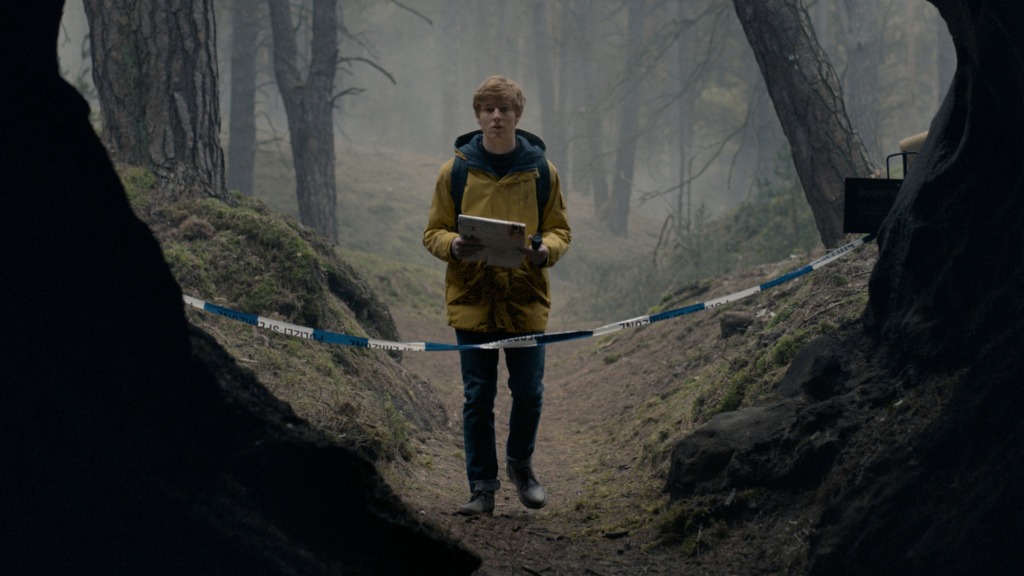
Truly one of the smartest sci-fi TV shows in living memory, Netflix’s Dark is often overlooked by wider audiences. However, those who have seen it often hail it as one of the best sci-fi shows of all time, citing its mind-bendingly complex yet satisfying plot as one of the main reasons. Following the community of a small German town rocked by the disappearance of a child, Dark sees them discover a sinister conspiracy involving time travel that has far-reaching existential implications.
It’s a sci-fi show that seems even better on a second viewing, largely because the complex nature of its plot is a little easier to make sense of. Dark‘s story features intricate and interconnected time loops, with plot twists scattered throughout its timeline. Rewatching allows the viewer to better grasp its lofty sci-fi ideas, while also appreciating its subtle foreshadowing and hints about where its story is heading. The depth of Dark is a key part of the show’s quality, and that only becomes even more evident on a repeat viewing.
What do you think? Leave a comment below and join the conversation now in the ComicBook Forum!
More TV Shows
-

Image Courtesy of Marvel Studios