DC Studios is currently executing a bold expansion of its television brand, transitioning from a fragmented production model toward a unified storytelling ecosystem. This strategy has already yielded significant results with the successful release of the first season of Creature Commandos and the second season of Peacemaker, projects that utilize the distinct creative voice of James Gunn to maintain high audience engagement. Looking toward the future, the development of Lanterns and Mister Miracle signals a move toward prestige content that explores the more complex acorns of the source material. Parallel to this core universe, DC continues to captivate audiences with a robust lineup of Elseworlds projects that operate outside traditional continuity constraints, such as My Adventures with Superman and Harley Quinn.
Videos by ComicBook.com
While we are experiencing a boom in superhero adaptations, DC Comics possesses a long history of television programs that prioritize character integrity and innovative visual storytelling. Many of these shows have aged exceptionally well, maintaining their quality even as industry standards for visual effects and narrative structure have shifted.
7) Constantine
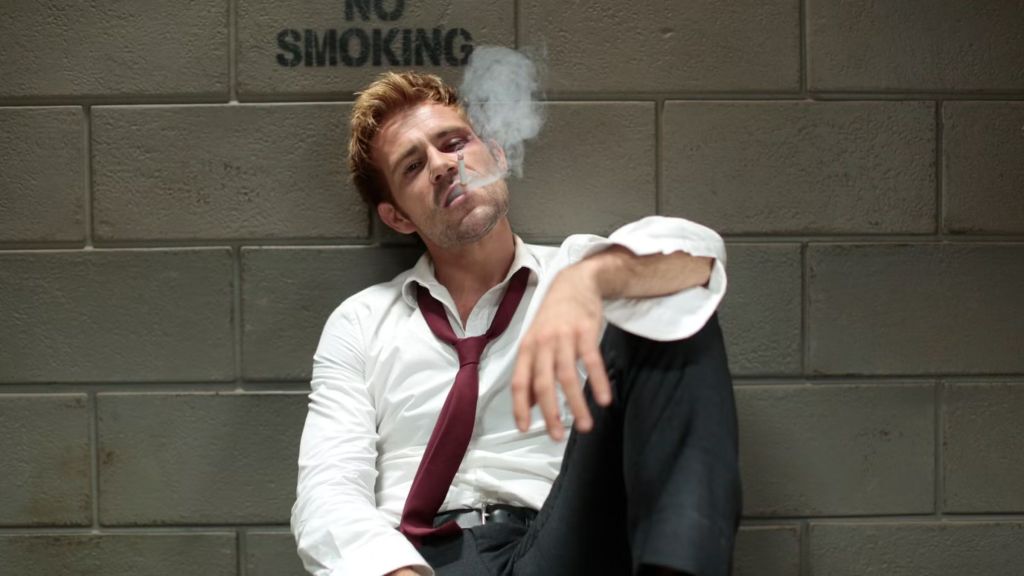
Despite its limited run of only thirteen episodes on NBC, Constantine remains a high-water mark for the adaptation of DC’s occult characters. The series focused on the cynical and world-weary John Constantine (Matt Ryan), providing a faithful translation of the Hellblazer comics that prioritized atmosphere and procedural dread. The show’s cult following is largely due to the definitive performance of its lead, who so thoroughly embodied the role that he was eventually integrated into the larger Arrowverse continuity and various animated projects. Visually, Constantine utilized practical effects and a gritty aesthetic that has aged significantly better than the CGI-heavy offerings of its contemporaries. Finally, the series continues to attract new viewers because it captures the working-class magic and existential fatigue that define the character’s best comic book appearances, proving that a strong thematic core is more important than a long broadcast history.

6) Green Lantern: The Animated Series
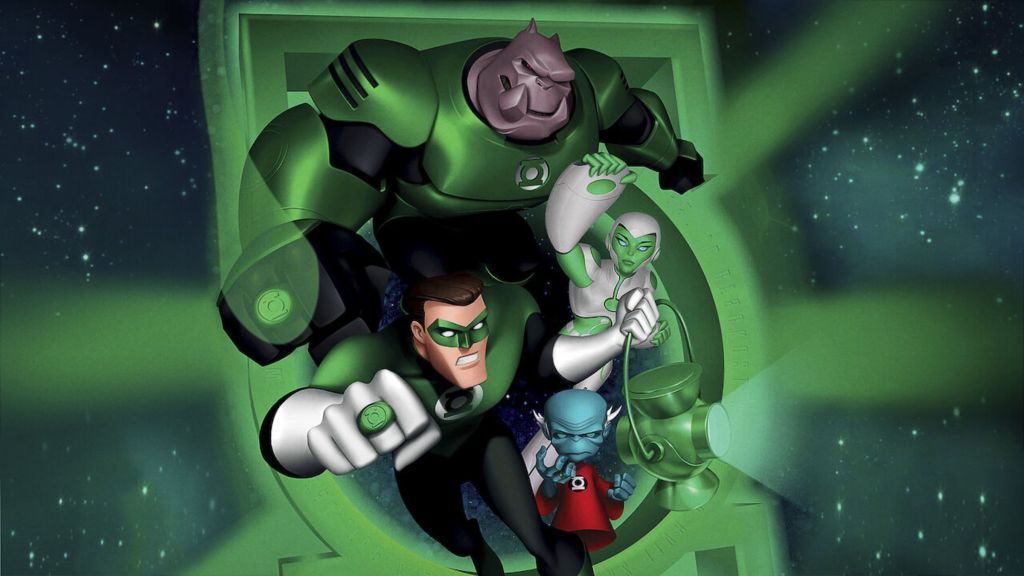
Debuting in 2011, Green Lantern: The Animated Series utilized a stylized 3D animation approach that was revolutionary for its time and remains visually impressive today. Led by executive producer Bruce Timm, the show avoided the repetitive nature of Earth-based procedurals by taking Hal Jordan (voiced by Josh Keaton) and Kilowog (voiced by Kevin Michael Richardson) on an interstellar odyssey into the deep reaches of space. The narrative initially focused on the conflict with the Red Lantern Corps, introducing complex original characters like the redeemed Razer (voiced by Jason Spisak) and the evolving AI known as Aya (voiced by Grey DeLisle). Because the creators prioritized world-building and the expansion of the emotional spectrum lore, the series feels like a cohesive epic rather than a collection of disconnected episodes. Furthermore, the serialized storytelling allowed for significant character growth and high-stakes emotional payoffs that were rare in children’s programming during that era.
5) Wonder Woman
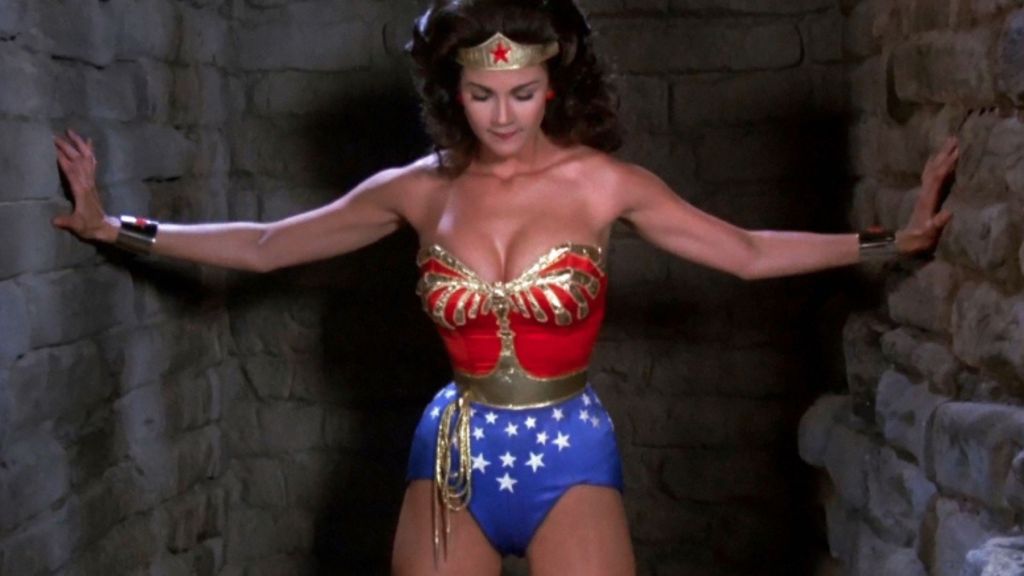
The 1970s iteration of Wonder Woman is an essential piece of television history that remains a vibrant viewing experience today. Starring Lynda Carter as the Amazonian warrior, the series successfully navigated the transition from a World War II setting in its first season to a contemporary 1970s environment in its subsequent years. The production’s longevity is rooted in its sincerity; rather than leaning into the camp of the era, the show treated the heroism of Diana Prince with genuine respect and gravity. Unsurprisingly, the practical action sequences and the iconic costume design have become permanent fixtures of the cultural lexicon, providing a visual standard that influenced every subsequent adaptation of the character. Furthermore, the chemistry between the lead and Steve Trevor (Lyle Waggoner) provided an emotional anchor that grounded the more fantastical elements of the plot. While television technology has advanced, the charismatic presence of the lead and the show’s optimistic outlook ensure that it remains a definitive and rewatchable interpretation of the character.
4) Batman
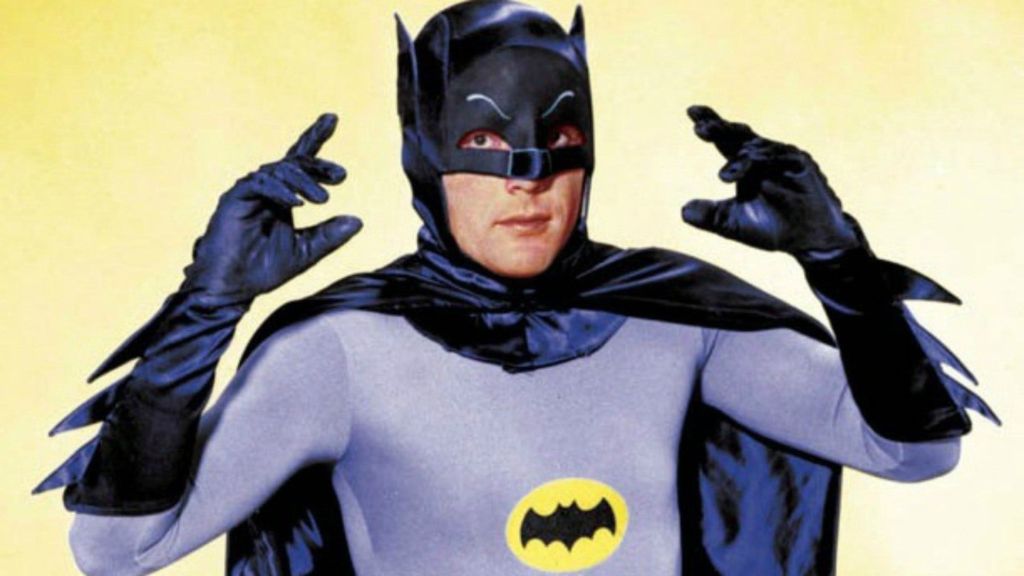
The 1966 Batman television series is a rare example of a production that has only improved with age by becoming a definitive study in intentional camp and pop-art aesthetics. In the series, Adam West delivered a rigid and stoic performance as Bruce Wayne (Adam West) that functioned as the perfect comedic foil to the vibrant and chaotic gallery of Gotham’s villains. By leaning into the absurdity of the comic book medium through on-screen sound effects and elaborate cliffhangers, 1966’s Batman created a unique visual language that stands as a deliberate contrast to the dark and gritty interpretations of the modern era. Today, the series is viewed as a brilliant satire of the superhero genre, rewarding fans who can appreciate the sophisticated wit hidden beneath the colorful costumes. Plus, its ability to function as both a children’s adventure and a dry comedy ensures its continued relevance in the DC library.
3) Smallville

Spanning ten seasons, Smallville redefined the superhero origin story by stripping away the traditional costume in favor of a character-driven coming-of-age drama. The show’s decision to follow a “no tights, no flights” rule forced the writers to develop the supporting cast and the central rivalry between Clark and Lex Luthor (Michael Rosenbaum) with a level of depth that many modern series struggle to replicate. As a result, the series focused on the adolescence of Clark Kent (Tom Welling) as he navigated the complexities of his alien heritage while living in a rural Kansas town. Over a decade, the production evolved from a “freak of the week” procedural into a sprawling epic that introduced the Justice League and explored the broader DC mythology. The high production values and the earnest performances of the lead cast have allowed Smallville to remain a staple of the genre, serving as the primary blueprint for the serialized superhero narratives of the Arrowverse.
2) Doom Patrol

Representing the modern pinnacle of DC’s experimental television efforts, Doom Patrol is a high-concept exploration of trauma and identity that utilizes the absurdity of its source material to deliver profound emotional insights. The show features a dysfunctional group of social outcasts, including Cliff Steele (Brendan Fraser), Larry Trainor (Matt Bomer), and Rita Farr (April Bowlby), who were granted abilities through tragic accidents. Unlike standard heroic narratives, the series focuses on the psychological scars of its protagonists, often pitting them against surreal threats like a sentient street or a cockroach bent on world domination. However, the production successfully balances its bizarre sense of humor with a sincere examination of grief and self-acceptance, creating a tone that is entirely unique in the superhero genre. Finally, Doom Patrol‘s willingness to take massive creative risks makes it a standout project that rewards multiple viewings, while also ensuring that the show will age well as a sophisticated piece of speculative fiction.
1) Batman: The Animated Series
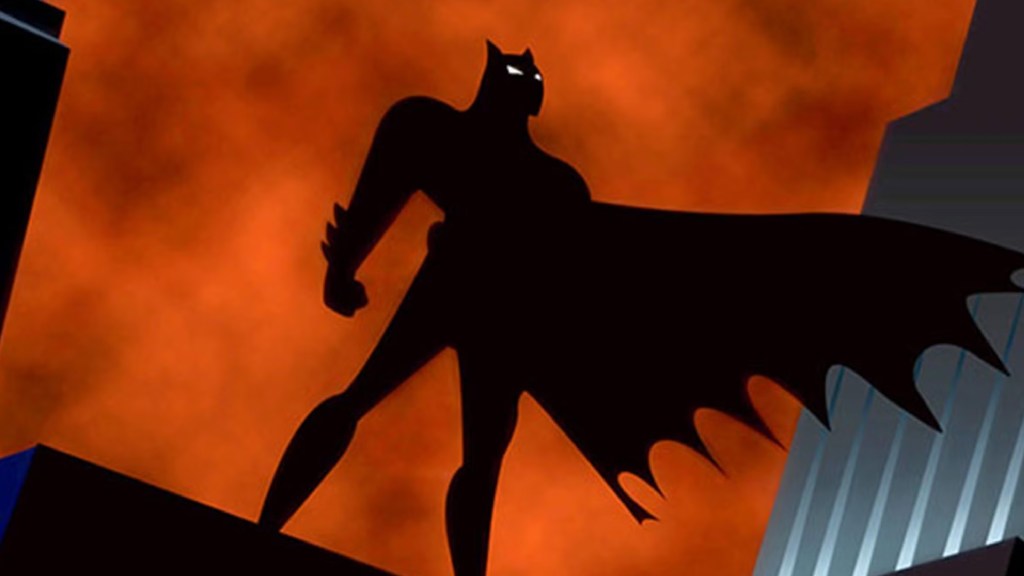
The DC Animated Universe, which began with Batman: The Animated Series, remains the most influential and enduring interpretation of these characters outside of the original comic books. Under the creative guidance of Bruce Timm and Eric Radomski, the series introduced a “Dark Deco” visual style that combined 1940s film noir aesthetics with futuristic technology. This design ensured that the show would never feel dated, as it exists in a stylized reality that is both familiar and alien. The success of the program launched an entire shared continuity, including Superman: The Animated Series, Batman Beyond, and the massive ensemble dynamics of Justice League and Justice League Unlimited—all worthy of this list, by the way. This interconnected universe maintained a consistent level of quality and maturity that respected the intelligence of its audience, cementing its status as the gold standard for superhero storytelling across any medium.
Which current DC television series do you think will age like fine wine? Leave a comment below and join the conversation now in the ComicBook Forum!
Most Viewed
-
Image courtesy of Warner Bros. Pictures -

image courtesy of Studio Ghibli