This year marks sixty years of Star Trek as a franchise, with the full anniversary of the premiere of Star Trek: The Original Series officially taking place this September. A ubiquitous piece of pop culture ever since, what began as a humble hour of science fiction in the 1960s is now one of the greatest long-running pieces of fiction in the English language, with shows, films, games, and more giving it a massive web of connectivity and lore. All of this together, the decades of content and the variety of shows, can be intimidating to newcomers.
Videos by ComicBook.com
It would be tough to go through life seeing NO Star Trek in the slightest, and I’ve managed some key elements. I’ve seen the J.J. Abrams feature films (and 2016’sStar Trek Beyond) and prior to that had a pretty rudimentary understanding of the series’ focus and the main characters (including a handful of TNG episodes). Naturally, it also helps that Trek media has produced countless memes over the years, plus the cast themselves appearing in other projects and allowing the chance to learn about the Trek history. Knowing the anniversary is nearly here, and wanting to finally dip my toes in, I decided to jump into the first episode and see what the fuss was about. As major Trek fans will know, though, the first episode of the series isn’t “really” the first episode, but just for the sake of a clean start, “The Man Trap” was officially my starting point, and here’s what it taught me about Star Trek.
7) The Technology Is Already Present and Ready
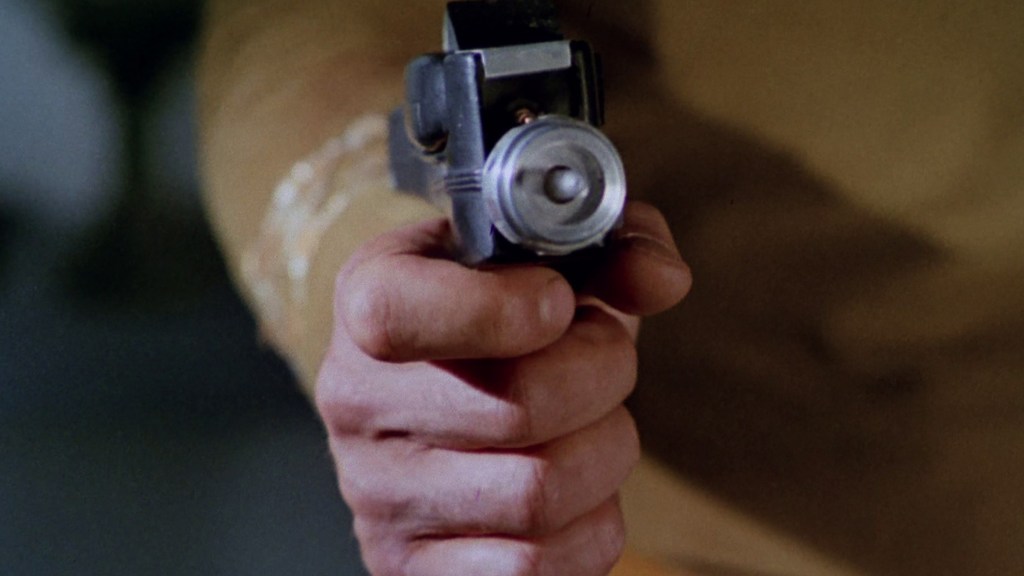
Knowing that communicators, the teleporters, and the phasers are in the series ahead of time, I was quite surprised to see that all of these are not only present from the jump but the execution of their abilities isn’t explained. That’s the best part about their use, they don’t need to fall prey to the modern writing problem of stopping to make sure the audience fully understands the capabilities of something through dialogue; they simply show how these things work through action and don’t worry if you’re somehow confused by it. Not that I expected a series from the ’60s to fall into this trap that is rooted in people looking at their phones while a tv is on in the same room as them, but rather I thought these pieces of tech might be introduced piecemeal over the first season. Nope, Kirk has them all at his disposal immediately.
6) The Opening Credits Are Immediately Iconic
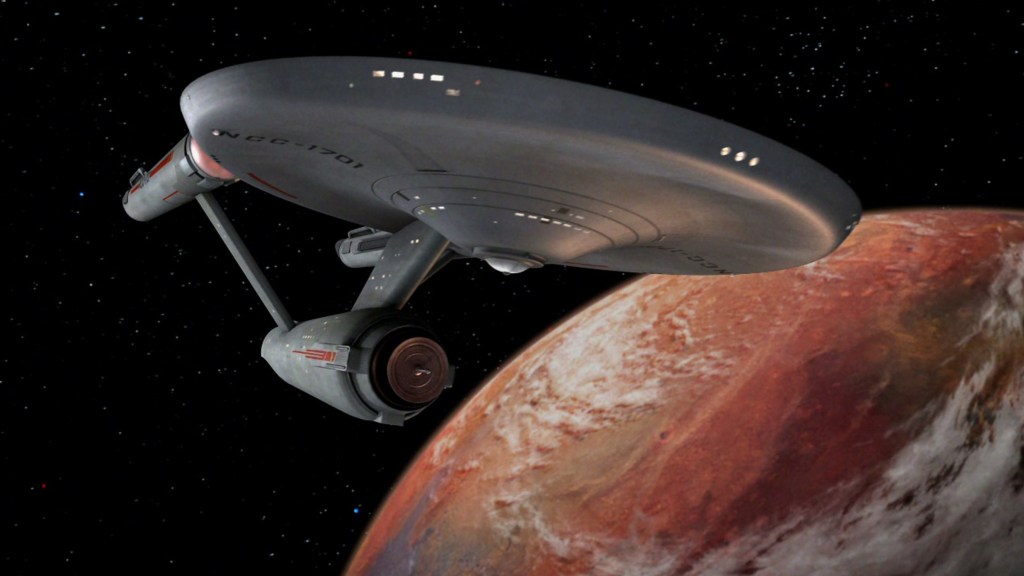
It’s always a little surprising to remember the actual opening theme song to Star Trek, because it stands out so much from the music of the show itself and the dramatic grounding found within the series. Despite this, I can’t pretend it’s not catchy as all hell and actually pretty thematically relevant, as it maintains a floaty-space-like feel that really does capture this idea of unending exploration in the cosmos. Couple that with the great narration that comes before it and you’ve got opening credits that tell you everything you need to know about a series.
5) The Whole Crew Is Fully Formed (Especially Spock)
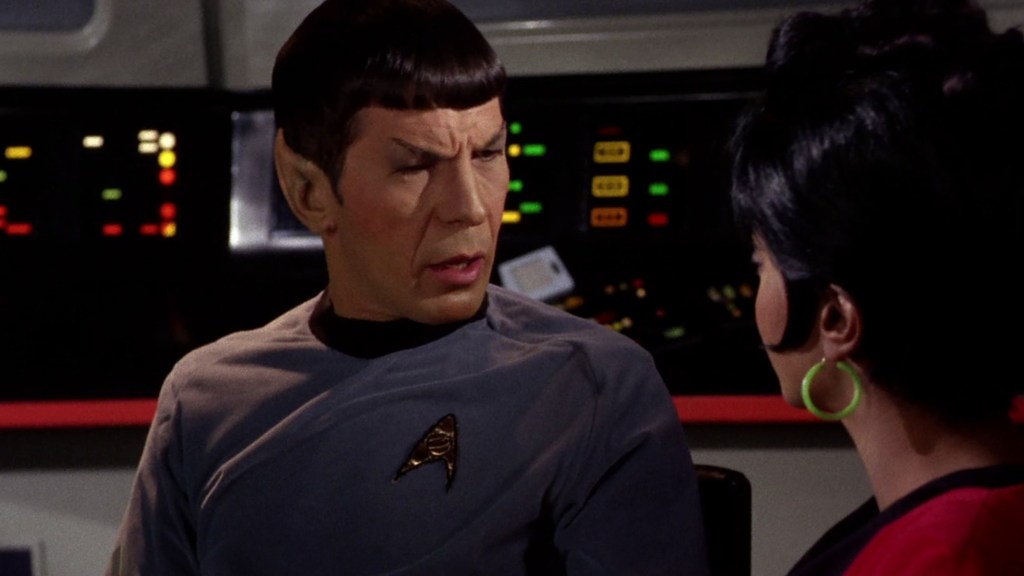
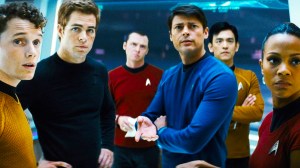
The main crew of the Enterprise is already fully formed when the episode starts, though some of that I’m sure had to do with the fact that this wasn’t actually the pilot episode of Star Trek. In the end, that was a good thing though, as the likes of Kirk, Uhura, McCoy and Sully are already well-rounded characters with distinct personalities and ideas about their place on the ship. The most compelling of them all, though, perhaps to no one’s surprise, is Spock, with Leonard Nimoy’s performance delivering a distinct viewpoint of his crewmates and navigating their missions. On the flipside of this, and back to the technology, what in god’s name is in Spock’s ear during some of the tele-conference sequences? Hilarious is what it is.
4) There’s a Major Blooper in One Scene
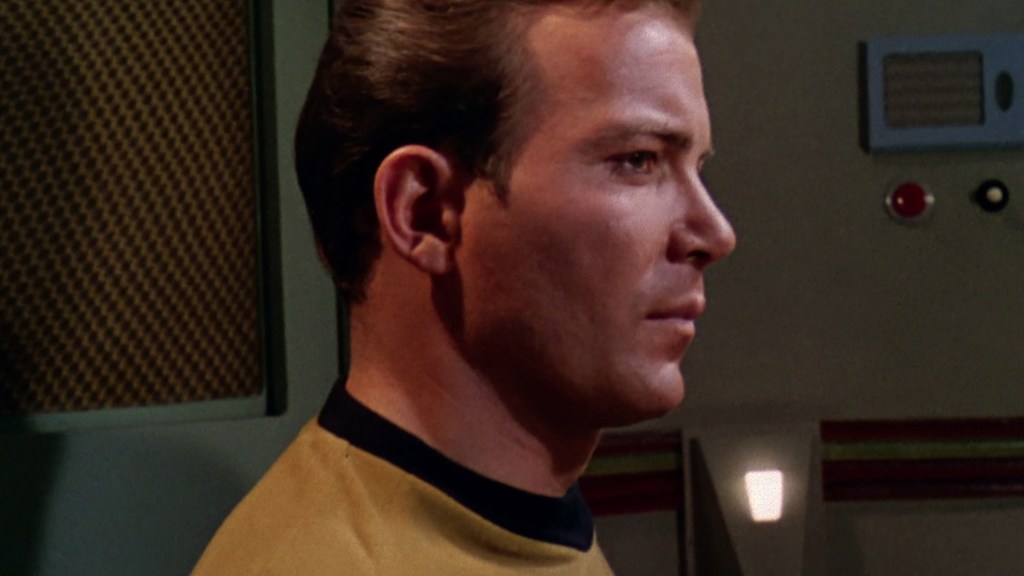
After Kirk returns from the surface of M-113, he makes his way to the turbo lift and heads for the bridge to try to figure out what happened on the planet. It’s one of the most dynamic shooting sequences of the entire episode as the camera no longer becomes static and in fact, follows Kirk onto the lift as he enters, a dramatic close-up on his face as he tries to make sense of it all. I couldn’t help but notice a tremendous blooper at this time, though, as this energetic piece of cinematography also happens to capture the shadow of the cameraman as he passes Kirk. It doesn’t ruin the moment, but man, once you see it, you can’t unsee it.
3) The Meal System on the Enterprise Is Apparently Five Stars
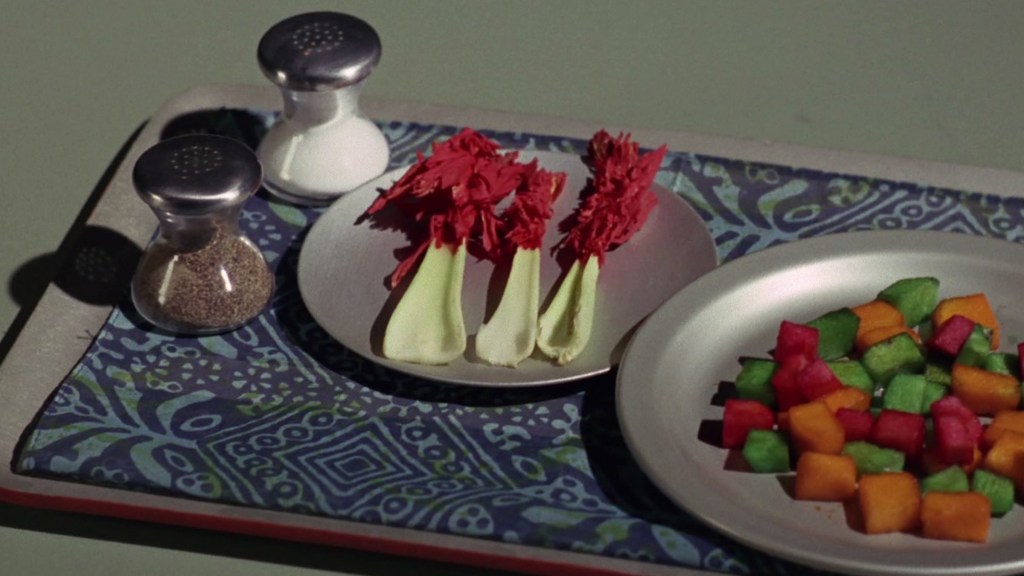
A crew has to eat, naturally, but it genuinely took me by surprise when the alien beast came about the Enterprise (in the disguise of Crewman Green) and one of the first things it noticed was Yeoman Rand standing there waiting for a Turbo Lift with her lunch tray in hand. As noted, people need food, but the fine china tray and plates that this clearly fresh meal was presented on, along with truly giant salt and pepper shakers, threw me for a loop.
To make all this even more shocking, though, there’s one more twist with the food. Despite Yeoman Rand being shown eating off the plate and even salting the food to her taste, it’s revealed to not even be her meal. As she takes it into the Botany lab, the food is revealed to actually be for Mr. Sulu. Does he know she does this? Do they have an agreement? Will the series ever address this bizarre food-stealing???
2) There’s More Than Just the Standard Uniforms
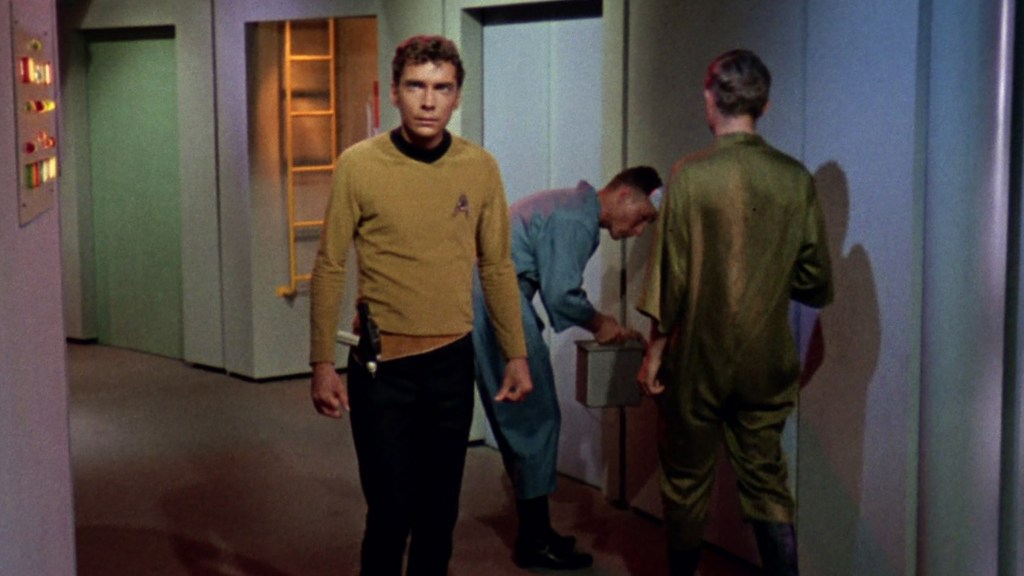
At the same time that my brain is being destroyed by the fact that Yeoman Rand was eating Mr. Sulu’s meal and he had no idea it happened, another curveball flew by in the form of the other uniforms. Going in I just assumed that it was true the black pants and solid-color shirts would be the standard, with the women wearing skirts as well. Not so! There are plenty of costume variations in the episode across the enterprise, including these silky coveralls, but also radiation suits. Later still, it’s revealed that not all female crew members wear skirts either, as a woman is shown in black slacks too. Variety! Who knew!
1) The Writing Is Already Top-Tier
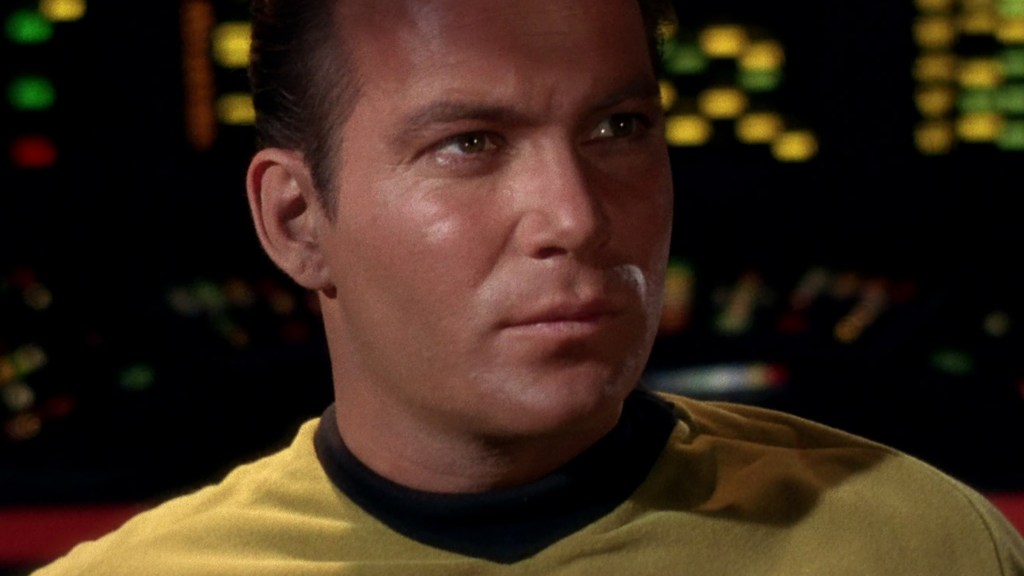
On the whole, the most clear thing about Star Trek from finally watching the first episode is just how strong the writing of the series already is. Not only are the characters themselves clear in their motivations and personalities, but the writers know how to use those things to help push the narrative and mystery forward for the audience watching at home. Despite being hundreds of years in the future with aliens and futurisitic technology, the series is able to explain its concepts in ways that make sense to the characters (most of them are Earth-born humans after all, I assume at least) by framing them around understandable concepts. A good example is how it frames the camouflaging abilities of the creature itself, comparing it to chameleons.
There’s also a deeper segment of the writing, too, with some killer lines that not only push the story forward but make the understanding of the characters even more nuanced. One of those lines is when Kirk tells Bones, “Stop thinking with your glands,” the kind of dialogue that makes it clear what he really means to the adult audience watching but also paints a distinct picture of who both of them are. Furthermore, the finale of the episode, when Kirk is lost in thought and adds the line he was “Thinking about the buffalo” as he contemplates the fact that the crew had to kill the last surviving member of an alien species in order to save themselves.
Most Viewed
-
Courtesy of Crunchyroll / Sony Pictures -
Image Courtesy of Ufotable -

Courtesy of TOHO Animation