There are tons of sci-fi TV shows that have majorly contributed to the pop culture ethos, but it is hard to be a true sci-fi fan if you haven’t seen these five shows. Of course, someone can obviously be a fan of the genre without being super knowledgeable about these shows, as it is odd to gatekeep a genre fandom based on several subjective choices for the “most important” shows. However, if you want to fully understand the development of the genre, viewing these projects can help you understand their impact on sci-fi.
Videos by ComicBook.com
Sci-fi is one of the most commonly seen genres on TV today. Shows like Westworld, Rick and Morty, Fallout, The Boys, and more have helped mold the modern TV landscape, and there is no denying their importance. However, these five shows provide the perfect crash course on understanding how TV sci-fi developed.
5) Doctor Who
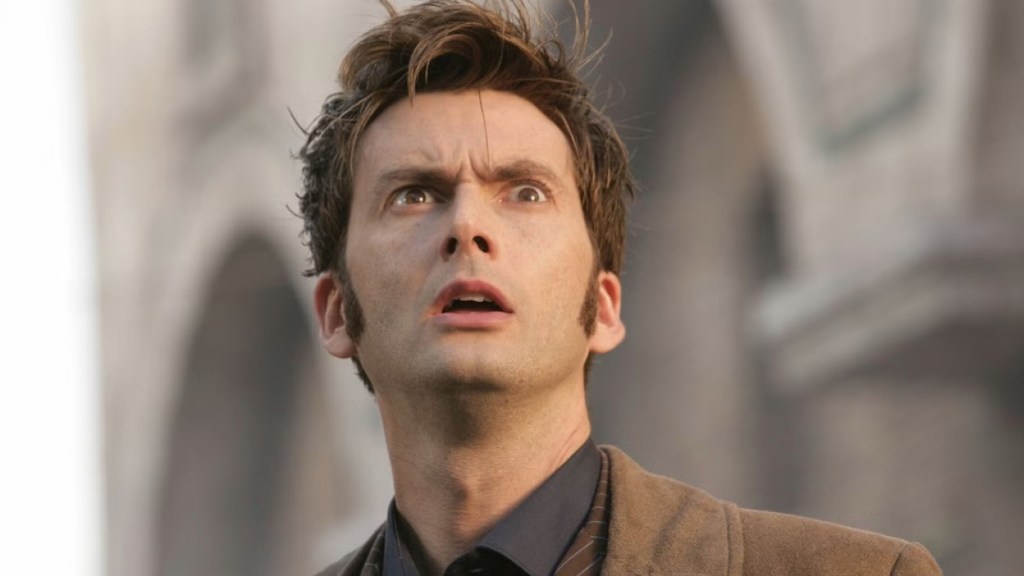
Doctor Who is the longest-running sci-fi series of all time, meaning that fans of the genre need to at least watch some of the episodes. The British series launched in 1963, with each episode following the titular Time Lord as he goes on adventures through time and space. The show has spanned multiple decades and multiple stars, meaning that fans can watch how the sci-fi landscape has evolved just through episodes of Doctor Who.
Doctor Who has changed a lot over the years, which is what makes the series so interesting. The original 1963-1989 run feels like almost an entirely different series than the current run that started in 2005. Even just in the newer seasons, a lot has changed, with the show shifting from serialized epic stories to a more episodic format. Almost every sci-fi concept has been explored in Doctor Who, with it acting as a great crash course for the genre.
4) Black Mirror

When it comes to modern sci-fi shows, Black Mirror is arguably the most influential. The anthology series started in 2011 and has released seven seasons as of the writing of this article, with each episode exploring a new sci-fi concept. However, the show is far more grounded than many other influential sci-fi anthology series, which is what makes it more interesting. So many movies and TV shows are compared to Black Mirror, with projects like Her and Ex Machina being reminiscent of the series.
Black Mirror is a contemporary sci-fi show that manages to explore the horrors and threats that technology pose on the modern world. The series is vindicated over and over again by real-world terrifying developments in surveillance and AI, with its powers of prediction being on par with The Simpsons. The series is a showcase of new and established sci-fi directors and writers, making it a great place for fans who want a quick dose of horror science fiction.
3) The Twilight Zone

Speaking of Black Mirror, it is likely that it wouldn’t exist if The Twilight Zone had not come first. The iconic 1960s anthology series uses sci-fi and supernatural stories to explore the human condition, with it featuring some of the best social commentary in the sci-fi genre. The series is a mix of B-movie sci-fi tropes and incredibly clever concepts, meaning that there is a little something for everyone.
The show has been parodied countless times, showing how influential it is. Movies like The Mist, Us, and Child’s Play are almost remakes of episodes of The Twilight Zone, and the series also inspired later anthology projects like The X-Files.

2) The X-Files
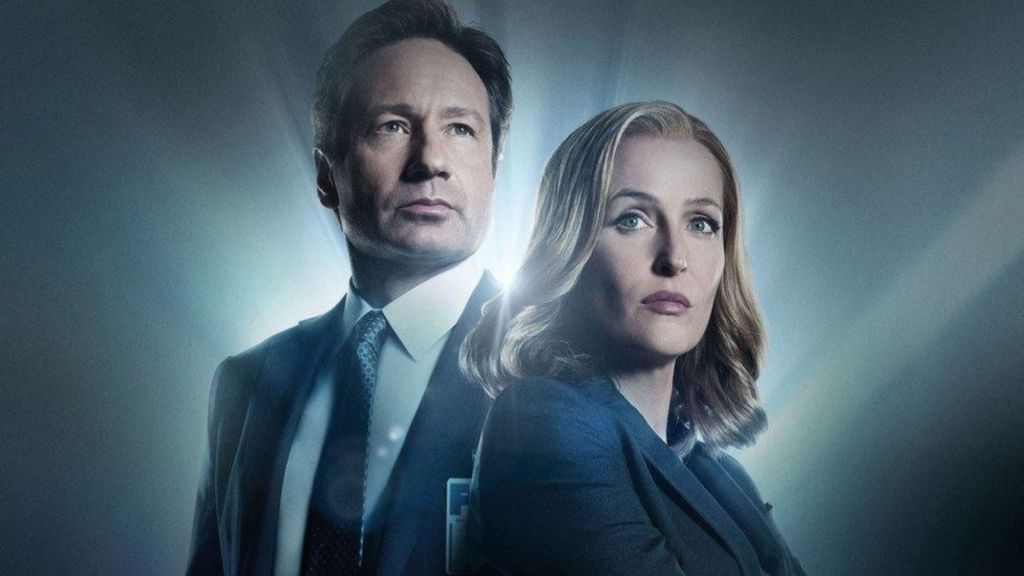
The original The X-Files series is the primary example of the sci-fi genre being used to explore conspiracism, which is why the series is so influential. The show started in 1993 and ran for 11 seasons, with the revival run ending in 2018. When it comes to shows about aliens and UFOs, The X-Files is one of the best. The series was also where Vince Gilligan’s career really took off, meaning that the show is to thank for Breaking Bad.
1) Star Trek: The Original Series
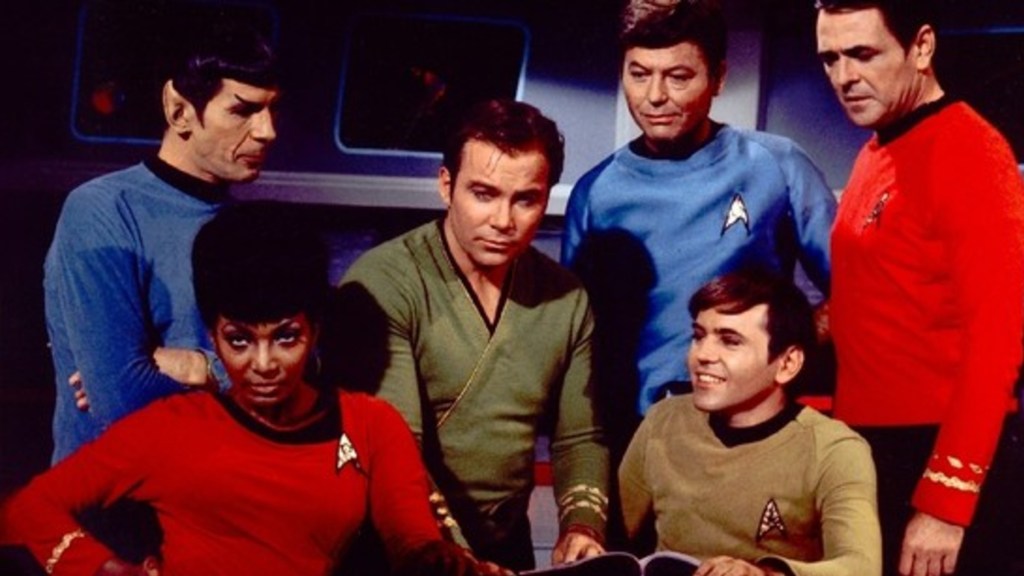
Star Trek is arguably the most iconic sci-fi TV franchise of all time, with it rivaling even Star Wars in success and cultural influence. Star Trek started its life with a three-season original series, which began in 1966. Since then, the franchise has expanded immensely, with there being 13 different Star Trek TV shows and 14 different feature films.
Star Trek is so influential that entire movies and TV shows like Galaxy Quest and The Orville exist as metatextual commentaries on the franchise. Battlestar Galactica, Babylon 5, and Futurama probably wouldn’t have existed without Star Trek. So, in order to fully understand sci-fi, it is almost essential to watch at least some of Star Trek: The Original Series to see where it all started.
What do you think? Leave a comment below and join the conversation now in the ComicBook Forum!
Most Viewed
-

Official art by Bastien Lecouffe-Deharme -
Image courtesy of Tor Books/Macmillan -

A photo of the Retrovolt Arcade taken in 2017, showing several classic arcade cabinets and stools. -

Courtesy of Saber Interactive -

Courtesy of TOHO Animation