Resident Evil debuted in 1996, quickly becoming one of the definitive franchises in the horror genre. In the years since then, the series has both thrived and suffered. Because the highlights of the series are foundational entries in the broader gaming lexicon, the disappointments sting all the more. Ten years ago, however, those disappointments had been stacking up in a way that left fans hungry for something new.
Videos by ComicBook.com
That’s exactly what Resident Evil 7: Biohazard delivered when it launched nine years ago, bringing the franchise further into the horror genre than ever before. The result was one of the scariest games of its generation and a major sea change for how the increasingly action-heavy horror series presented itself. Almost a decade later, the impact and influence of Biohazard on the larger series can only really be matched by the likes of Resident Evil 4 — explaining why those two games seem to be directing the future of the franchise going forward.
Resident Evil 7: Biohazard Came At A Low Point For The Franchise
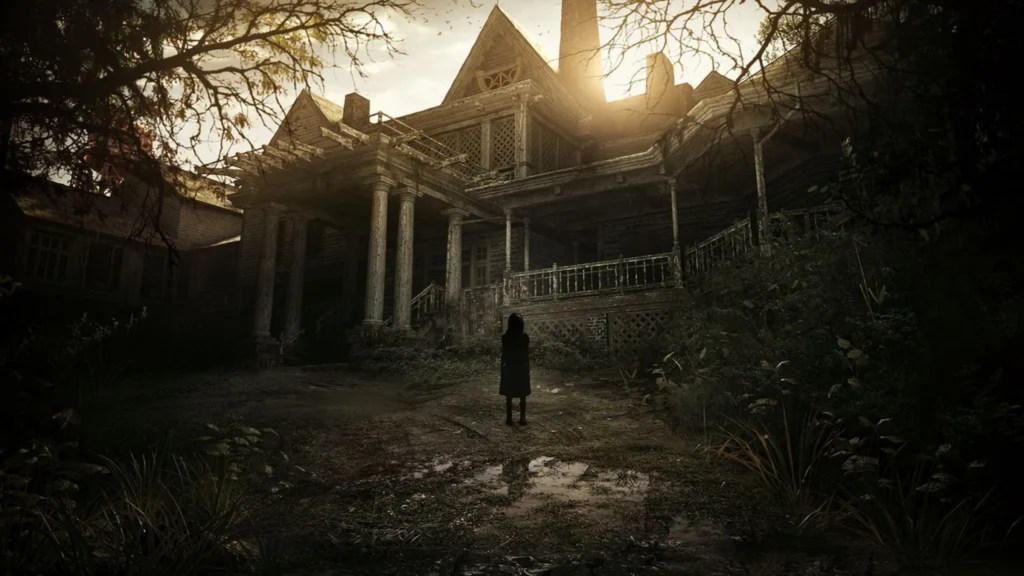
Resident Evil has been a consistent presence in the gaming community for thirty years, but it has suffered from serious ups and downs over the years. Among the more stark lows for the franchise was 2012’s Resident Evil 6, which was openly maligned upon release by fans and critics alike. With the overarching narrative growing more unwieldy, the game’s return to a more action-heavy approach backfired on the developers. Critics were frustrated with the more mundane gameplay, complaining about the overall lack of tension in the experience.
Even Resident Evil 4 found a way to keep up the scares even while embracing a more bombastic approach, something that Resident Evil 6 struggled with. Meanwhile, while fans were happy to see so many returning faces from across the history of the series, the jumbled nature of the game’s narrative left it all feeling somewhat anticlimactic. The lack of genuine scares was the biggest problem with the game, however. In a move that felt like it brought the game series closer to the adaptation-in-name-only live-action films, Resident Evil 6 lost the survival-horror element that had been key to the earlier games. As a result, Resident Evil 7 Director Koshi Nakanishi and his team adapted and focused on bringing the game back to its roots.
Why Resident Evil 7: Biohazard Works So Well

To make sure that Resident Evil genuinely felt like a horror game again, the team at Capcom developed a new game engine. The RE Engine was rooted in a first-person perspective, keeping the VR experience front and center in the developer’s approach. The series also brought in narrative designer Richard Pearsey, who had previously sharpened his writing skills on other horror/action games like F.E.A.R. and Spec Ops: The Line. The development decided to put emphasis on the tension by taking away the massive physical capabilities of characters like Chris Redfield or Leon S. Kennedy.
This led to the development of Ethan Winters, a regular guy whose realistic panic and sense of dread were reflected in the player’s own sense of terror at their circumstances. Even compared to other entries in the series, Biohazard was fully a horror game. Even the combat was limited by the more grounded limits of Ethan’s capabilities, making the tension and terror all the more palpable. The result was a game that truly felt scary again for the first time in years, that used the machinations of mad scientists and the horrible monstrosities that they created as the bedrock for a series of increasingly unsettling and horrifying encounters. More than any other game in the series, Resident Evil 7 felt genuinelyscary in a way the series hadn’t been in a long time.
Resident Evil 7: Biohazard Revitalized The Franchise

Launching for PS4, Xbox One, and Windows on January 24, 2017, Resident Evil 7: Biohazard was an almost instant success for Capcom. The game earned rave reviews from critics, with an 86/100 Metacritic score for the PS4 and Xbox One versions slightly outclassing the PC version. The first-person perspective, a departure from the franchise’s typical third-person action gameplay, put extra emphasis on the terror and helped immerse the player in Ethan’s experience. It had one of the best debuts for the series ever and managed to earn back its budget in just over a week of release. It also earned several accolades and award nominations and was frequently touted as one of the best games of the year.
The game has sold over 15 million copies in the years since, helping revitalize interest in the series at a crucial junction. In the years since, the Resident Evil franchise has enjoyed a massive resurgence in popularity. While Biohazard lived on with multiple DLC drops, the franchise also expanded through direct sequels like Resident Evil VIII: Village and remakes of classic entries like Resident Evil 2. The success of Biohazard seems to have had a permanent effect on the franchise, however. Over the last nine years, every fresh entry in the series has made sure to retain a sense of terror that had otherwise been lacking. Even the upcoming Resident Evil: Requiem is maintaining the lessons of Biohazard, splitting the action-heavy and tension-filled sections by character. Resident Evil 7: Biohazard is the key to the franchise’s restoration and helped ensure that horror remains a key ingredient in the game design.
Most Viewed
-

Image courtesy of Paramount -

Image Courtesy of Disney -

TMS Entertainment